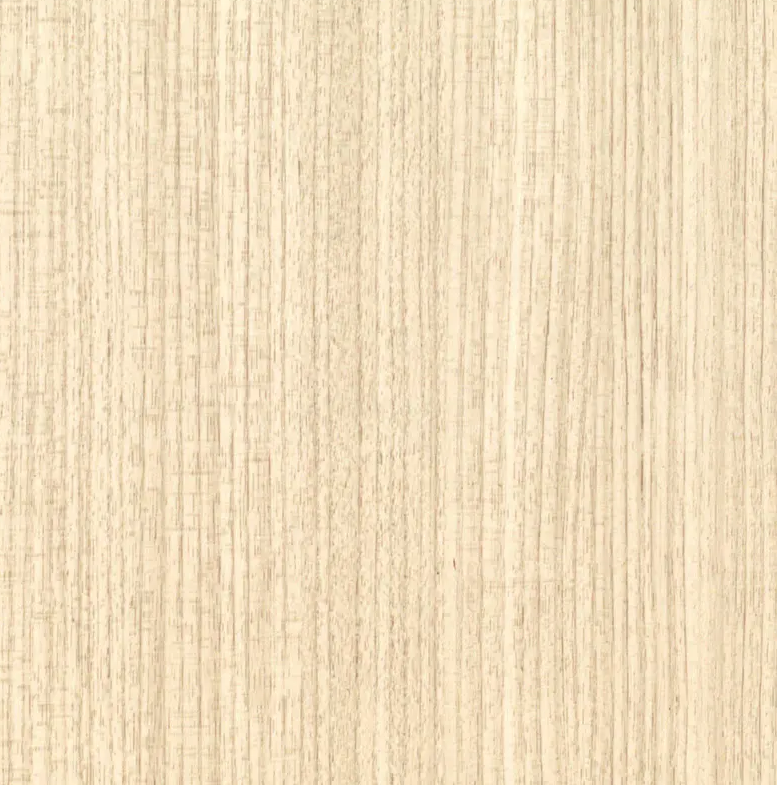
A furniture panel does not need an expensive natural finish to create an attractive appearance. With the right surface material, an ordinary board can take on the look of wood grain, marble, stone, or a modern solid color. PVC Decorative Film makes this possible through printed patterns, surface textures, and flexible processing options. For furniture manufacturers, interior material suppliers, and building product wholesalers, it provides a practical solution for decorative surface finishing.
PVC Decorative Film is generally manufactured using polyvinyl chloride resin combined with additives, pigments, and other processing materials. Depending on the product structure, the film may include a printed decorative layer, a transparent protective layer, and additional functional coatings. These layers work together to create the required appearance, flexibility, and surface characteristics.
Surface embossing adds another dimension to the material. By using specially designed embossing rollers, manufacturers can create different tactile effects, such as natural wood grain, brushed textures, or subtle stone patterns. Matching the printed design with the embossed texture helps create a more realistic decorative finish.
One important advantage of PVC Decorative Film is its adaptability to different substrates. Depending on the adhesive system and product construction, it can be applied to MDF, particleboard, plywood, and other suitable surfaces. Common applications include kitchen cabinet doors, wardrobes, office furniture, wall panels, decorative boards, and interior doors.
For furniture factories, the film offers a way to develop different product styles without changing the basic panel structure. Manufacturers can select suitable film thicknesses, widths, finishes, and decorative patterns according to their processing equipment and product designs. Its roll-based supply format can also support continuous surface lamination and other industrial finishing methods.
When sourcing PVC Decorative Film, purchasing teams should examine thickness tolerance, color consistency, printing clarity, flexibility, adhesion compatibility, and surface quality. These specifications help determine whether the material suits the intended production process.
From furniture panels to interior wall decoration, PVC Decorative Film combines decorative variety with manufacturing flexibility. It gives furniture producers, building material suppliers, and wholesalers a convenient way to expand their surface design options.