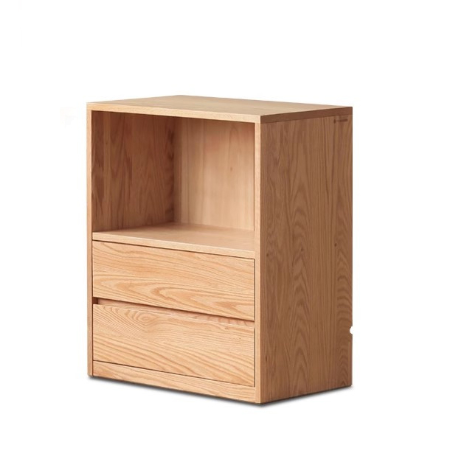
Oak is one of the most popular and widely used woods for making furniture. With its long history, unique appearance, and numerous advantages, it is an ideal choice for constructing a dining table.
In this guide, we will discuss the diversity of oak wood, the different design styles of large oak dining tables, and how to create a personalized piece, particularly through a custom-made handicraft furniture company specializing in solid wood dining tables. We will also provide practical advice on how to maintain your oak dining table so you can enjoy it for many years.
Why is Oak the Best Choice for a Large Dining Table?
Oak is renowned for its strength, durability, and attractive grain. Since ancient times, it has been used to craft furniture and remains one of the most sought-after woods today. Key benefits of choosing oak for a dining table include:
Robustness: Oak is very hard and dense, enabling it to withstand heavy use and resist bending or breaking.
Durability: It offers excellent longevity and is naturally resistant to decay and insects. With proper care, an oak table can last for decades or even centuries.
Stability: Oak has low shrinkage and high dimensional stability, meaning it is less likely to warp or crack due to changes in temperature or humidity.
Color: Oak comes in a wide color range, from light cream to deep brown. Its color can also mellow and change over time due to light exposure and oxidation, developing a unique patina.
Grain Pattern: Oak has a distinctive grain that varies by species and cutting method. Patterns can be straight, wavy, or irregular, and may feature rays, flecks, or burls.
Texture: The natural texture of oak adds warmth and character to any piece. This texture can feel smooth or more pronounced, depending on the finish applied.
Exploring the Diversity of Oak for Dining Tables
Oak is not a single species but a genus encompassing hundreds of types, each with its own characteristics in color, grain, and hardness. Some of the most common oaks used in furniture making include:
Red Oak: Known for its prominent grain and slightly softer texture. It has a light cream color with pinkish undertones, suitable for a dramatic style.
White Oak: Ranging in color from beige to light brown, without red or pink tones. It is renowned for its moisture resistance and is excellent for both indoor and outdoor use.
Black Oak: Native to central and eastern North America, black oak has a coarse grain and a medium, reddish-brown color. It is often used for cabinets and furniture.
These are just a few examples. Other varieties like burr oak, chestnut oak, live oak, and swamp white oak are also available. Each type has its own strengths, so consider your personal preferences and needs when selecting the wood for your table.
Exploring Design Styles for Large Oak Dining Tables
Oak dining tables come in a wide array of designs to suit different aesthetic preferences:
Modern Style: Typically features clean lines and minimalist design, sometimes incorporating metal or glass elements for a contemporary feel.
Rustic Style: Emphasizes the natural beauty of wood, often with a robust build, distressed finishes, and a warm, inviting character.
Farmhouse Style: Characterized by solid construction, simple lines, and classic features such as turned legs or trestle bases.
Traditional Style: Often includes ornate details, curved lines, and classic design elements for a timeless sense of elegance.
How to Maintain Your Large Oak Dining Table
To keep your oak dining table in excellent condition, follow these basic care tips:
Regular Cleaning: Wipe the table regularly with a soft cloth and a mild, damp soap solution. Avoid harsh chemicals or abrasive cleaners, which can damage the wood or finish. Clean up spills immediately to prevent staining.
Occasional Waxing or Oiling: Periodically treat your oak table with a natural wax or oil suitable for wood. This helps enhance the wood's color and grain while providing protection from moisture and dirt. Always follow the manufacturer's instructions for application and buffing.
Protect from Heat, Moisture, and Sunlight: Use coasters, placemats, or tablecloths to prevent hot or wet items from marking the surface. Avoid placing the table near radiators, fireplaces, or in direct sunlight, as extreme heat and UV exposure can cause warping, cracking, or fading.
Repair Scratches or Dents Promptly: Address any scratches or dents as soon as you notice them. You can use a wood touch-up marker, wax filler, or repair kit that matches the table's color and finish, following the product instructions carefully.
By following these tips, you can ensure your large oak dining table remains a beautiful and functional centerpiece in your home for generations to come.
Large Oak Dining Tables: A Guide to Purchasing and Maintaining Your Furniture