As global healthcare systems advance toward more efficient, stable, and scalable immunization strategies, the demand for high-performance vaccine formulation solutions has never been greater. From mRNA platforms to recombinant proteins, viral vectors, and inactivated antigens, every vaccine relies on sophisticated formulation science to achieve stability, immunogenicity, and manufacturability.
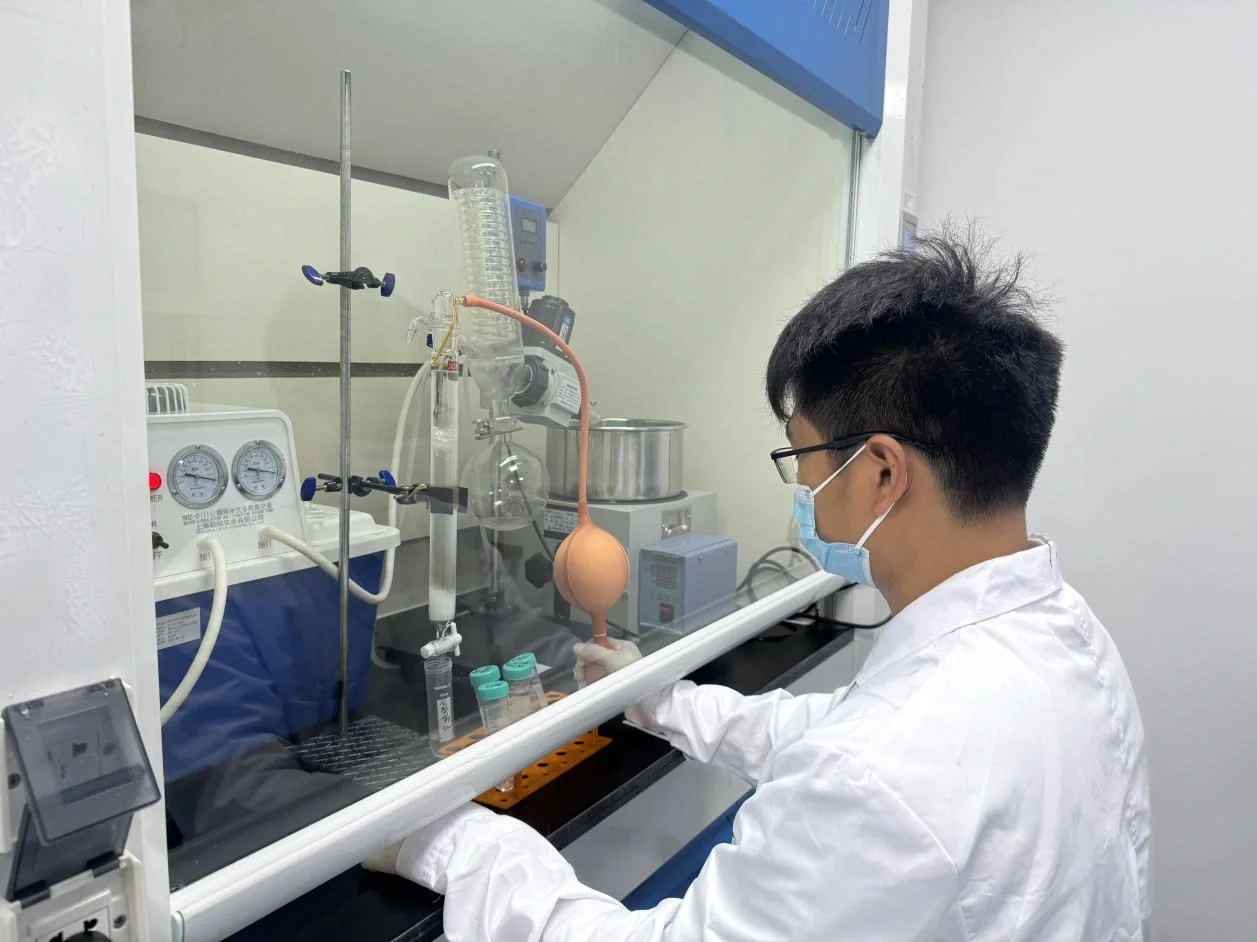
Today, biotechnology leaders such as GC Biotech are playing a pivotal role in supporting researchers, pharmaceutical developers, and production facilities by providing cutting-edge tools, reagents, and workflow solutions that streamline the formulation process from early development through commercial-scale manufacturing. Their advanced technologies help accelerate timelines, improve formulation consistency, and ensure the final vaccine product meets the highest global regulatory standards.
The Strategic Importance of Vaccine Formulation
Vaccine formulation is more than mixing active ingredients with stabilizers. It is an intricate scientific discipline centered on optimizing the performance of biological materials across the vaccine’s entire lifecycle.
1. Ensuring Antigen Stability
Many antigens—particularly mRNA, viral vectors, and recombinant proteins—are inherently unstable. Formulation solutions provide:
Thermal protection
Structural stabilization
Enzyme degradation control
Improved shelf life and transport resilience
This is essential for global distribution, especially in locations lacking cold-chain infrastructure.
2. Enhancing Immunogenicity
Adjuvants, delivery carriers, and optimized buffers work together to:
Improve antigen presentation
Strengthen immune response
Reduce required dosage
Support multi-dose or booster strategies
Effective formulation can lower overall production cost while improving efficacy.
3. Supporting Scalable Manufacturing
Modern formulations must be optimized for:
High-volume mixing
Sterile filtration
Fill-finish compatibility
Long-term storage stability
A stable formulation dramatically improves production reliability and regulatory compliance.
Core Components of Vaccine Formulation Solutions
1. Buffer Systems
Buffers maintain optimal pH during production, storage, and application. High-quality buffer systems reduce aggregation, denaturation, and hydrolysis across biologically sensitive materials.
2. Stabilizers
Common stabilizers include:
Sugars (trehalose, sucrose)
Polymers (PEG, PVP)
Proteins (albumin-based systems)
They protect antigens during lyophilization, freeze-thaw cycles, and transport.
3. Adjuvants
Adjuvants boost immune responses and can reduce dose size. Popular adjuvant classes include:
Aluminum salts
Lipid nanoparticles (especially for mRNA vaccines)
Saponin-based adjuvants
Emulsion systems
Adjuvant selection is central to the vaccine’s potency and safety profile.
4. Delivery Systems
Advanced formulation platforms rely on delivery strategies such as:
Lipid nanoparticle systems
Viral vector encapsulation
Microsphere carriers
Biodegradable polymer matrices
These systems ensure antigens reach target cells effectively and safely.
Key Challenges in Modern Vaccine Formulation
1. Stability Across Temperature Ranges
With mRNA and protein-based vaccines susceptible to degradation, maintaining integrity in varying storage conditions is a major challenge.
2. Batch-to-Batch Consistency
Manufacturers must ensure each production batch meets identical quality, potency, and purity standards.
3. Compatibility with Fill-Finish Processes
Formulations must be optimized for syringe, vial, and automated packaging systems without compromising structural integrity.
4. Rapid Development Timelines
The COVID-19 pandemic highlighted the need for accelerated vaccine development cycles. This requires formulation solutions that support fast screening, high-throughput analysis, and scalable optimization.
How GC Biotech Supports Advanced Vaccine Formulation
As a technology provider delivering automated solutions, reagent systems, and bioprocess support tools, GC Biotech has become a trusted partner for laboratories and pharmaceutical organizations working on next-generation vaccine platforms.
1. High-Precision Laboratory Automation
GC Biotech offers automated systems that enhance accuracy in formulation workflows:
Liquid handling automation
High-throughput preparation systems
Automation for buffer and reagent preparation
Automation reduces manual error and accelerates R&D cycles.
2. High-Quality Reagents for Vaccine Development
Reliable reagents are essential for consistent formulation performance. GC Biotech supplies:
Nucleic acid preparation kits
Protein stabilization reagents
High-grade buffers and additives
Contaminant-free consumables
These solutions ensure high compatibility with sensitive biological materials.
3. Workflow Optimization for Biomanufacturing
Modern vaccine production requires seamless integration between R&D, scale-up, and manufacturing. GC Biotech supports:
Process standardization
Quality monitoring
Validation workflows
Scalability from micro-liter to industrial volumes
This ensures smooth transition from laboratory concept to commercial output.
4. Enhancing Regulatory Compliance
Formulation solutions must adhere to strict global guidelines (FDA, EMA, WHO). GC Biotech’s workflow systems help maintain:
Traceability
Data integrity
Quality control
Documentation for audits
This reduces compliance risk during clinical and commercial stages.
Conclusion
Vaccine formulation is one of the most scientifically demanding yet vital phases in vaccine development. High-quality vaccine formulation solutions ensure antigen stability, enhance immune response, support scalable manufacturing, and improve global distribution. Through advanced automation, reagent systems, and precision workflow technologies, GC Biotech empowers researchers and manufacturers to develop safe, stable, and highly effective vaccines for the global population.
As vaccine technologies evolve, the partnership between biopharmaceutical innovators and solution providers like GC Biotech will be essential to meeting the world’s future immunization challenges.