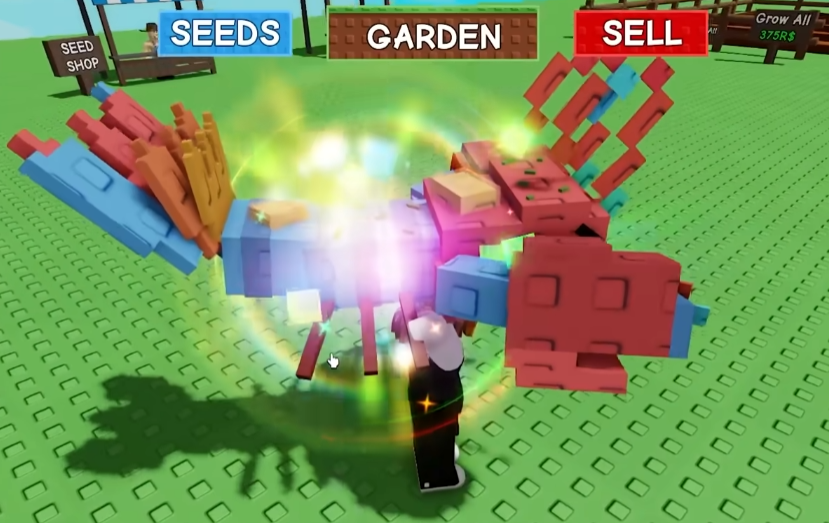
Planning your garden expansion in Grow A Garden is one of those things that looks simple at first, but gets more interesting the longer you play. At the start, you just want more space for crops. Later on, every tile matters. As someone who has spent more hours than I expected arranging paths and replanting trees, I have learned that a little planning early can save a lot of time later.
This article is not about rushing or min maxing in a stressful way. It is about growing your garden steadily, keeping it organized, and making choices that feel good as you play. Whether you are new or already unlocking larger areas, these tips should help you think ahead.
Understanding Why Expansion Matters
Garden expansion is not just about having more land. More space means more freedom. You can separate crop types, leave room for decorations, or create areas that are easier to harvest. If you expand without a plan, you may end up with awkward layouts that slow you down.
In Grow A Garden, expansion usually comes with higher costs and longer waits as you progress. That is why it helps to treat each expansion like a small project. Ask yourself what problem you are trying to solve. Are you running out of space for high value plants? Do you want a cleaner layout? Or are you preparing for new mechanics that unlock later?
Thinking about these questions before you spend resources makes the game feel smoother and less frustrating.
Start With a Simple Layout
When your garden is still small, it is tempting to fill every empty tile right away. I used to do that too. The problem is that early habits often stick, even when your garden grows much larger.
A good early approach is to keep rows simple and leave a bit of empty space. Straight lines are easier to manage, and open gaps give you flexibility later. You do not need to make it perfect, just avoid placing things randomly.
This is also a good time to experiment and learn how different plants grow and interact. If you later decide to rearrange, it will cost less when your garden is small.
Plan Expansion Around Crop Cycles
One thing that is easy to overlook is timing. Expanding your garden in the middle of a busy harvest cycle can slow you down. If possible, plan expansions during quieter moments, when most of your crops are either just planted or already harvested.
Think about which plants you use most often. Short cycle crops benefit from being close together, while long cycle crops can be placed a bit farther out. As you unlock more space, grouping crops by growth time can make daily play much more relaxed.
I found that once I started planning expansion around how often I check the game, everything felt more comfortable.
Using Companions to Support Growth
As your garden gets bigger, managing everything manually takes more effort. This is where companions become more useful. Some players choose to buy grow a garden pets early to help with efficiency, especially when space starts to open up and tasks multiply.
Pets can support your expansion plans by reducing the time you spend on repetitive actions. This lets you focus more on layout and strategy instead of constant micromanagement. Just remember that pets work best when your garden is organized. A messy layout reduces their impact.
If you are considering companions, think about how they fit into your expansion goals, not just what they do individually.
Thinking Long Term With Decorations and Paths
Decorations are fun, but they can also block future expansion if placed without thought. It is fine to decorate early, but try to keep decorative areas separate from main farming zones.
Paths are especially important. Clear paths help you move quickly and make your garden easier to read at a glance. When expanding, extend your paths first, then build around them. This habit keeps your layout clean even as the garden grows.
Later in the game, when you unlock more decorative options, you will be glad you left room to adjust things instead of having to remove half your garden.
Managing Resources as You Expand
Expansion costs grow over time, so resource management becomes more important. Do not spend everything the moment you can expand. Sometimes it is smarter to wait and build up a buffer.
This is also where grow a garden pets can shine in a different way. With better efficiency, you can earn resources faster and feel less pressure when planning big expansions. Some players discuss their setups and experiences on Roblox forums, which can be helpful if you feel stuck.
You might also see community mentions of platforms like U4GM when players talk about progression speed, but regardless of how you play, smart planning always matters more than rushing.
Adapting Your Plan as the Game Changes
No plan survives forever. Grow A Garden introduces new features, plants, and mechanics as you progress. A layout that worked early may not be ideal later, and that is okay.
The key is staying flexible. When you unlock new content, take a moment to look at your garden as a whole. Ask yourself if the current layout still makes sense. Sometimes a small rearrangement is enough. Other times, a bigger redesign can refresh the entire experience.
Personally, I enjoy these moments. Reworking my garden makes the game feel new again, instead of just repeating the same routine.
Keeping the Game Fun and Stress Free
At the end of the day, expansion should feel rewarding, not stressful. If you find yourself worried about making the perfect layout, take a step back. There is no single correct way to play.
Use these tips as guidelines, not rules. Learn from your mistakes, adjust as you go, and enjoy watching your garden grow over time. With a bit of planning and patience, expanding your garden can become one of the most satisfying parts of Grow A Garden.
Daily Tip: Roblox Rivals Codes – August 2025 (Keys, Wraps & Exclusive Rewards)