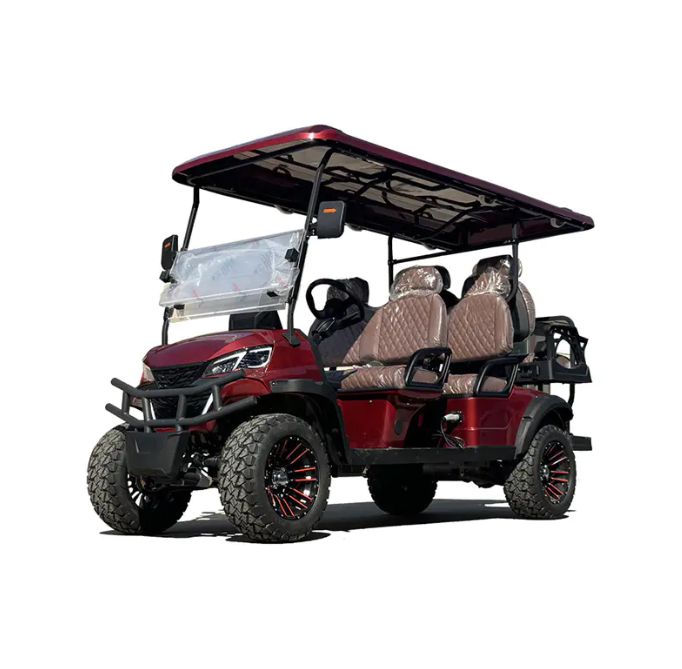
Recreational mobility has evolved beyond simple transport, placing greater emphasis on comfort, enjoyment, and adaptability. Within this context, the Leisure Track Vehicle has emerged as a distinctive option for users seeking relaxed travel across diverse terrains. Designed primarily for enjoyment rather than industrial or military tasks, this type of vehicle supports outdoor activities while maintaining a focus on user experience and environmental adaptability.
A defining characteristic of a Leisure Track Vehicle is its tracked propulsion system. Unlike wheeled vehicles, tracks distribute weight more evenly across the ground, allowing smoother movement over soft surfaces such as sand, snow, or loose soil. This design reduces ground pressure and supports steady motion in areas where traditional tires may struggle. As a result, recreational users can explore landscapes that would otherwise be difficult to access without specialized equipment.
The engineering behind a Leisure Track Vehicle emphasizes balance between performance and ease of operation. Power systems are typically calibrated for moderate speeds suitable for sightseeing or casual exploration rather than aggressive maneuvering. Suspension components help absorb uneven terrain, contributing to a smoother ride. Controls are often simplified, allowing users with limited technical background to operate the vehicle confidently after basic familiarization.
Usage scenarios for a Leisure Track Vehicle are varied and often linked to tourism and outdoor recreation. Resorts may use these vehicles to guide visitors through natural parks or scenic routes, while private owners may enjoy them for countryside exploration or seasonal travel in snowy regions. Their ability to navigate challenging surfaces without complex route preparation makes them suitable for leisure-focused journeys where flexibility is valued.
Safety considerations are an important part of Leisure Track Vehicle design and operation. Stable track width and low center of gravity help reduce the risk of tipping during turns or uneven ground transitions. Many models include enclosed cabins or protective frames, offering shelter from weather conditions while enhancing rider security. Routine maintenance, such as checking track tension and lubrication, supports reliable operation and extends service life.
From a market perspective, interest in the Leisure Track Vehicle reflects broader trends toward experience-based recreation. Consumers are increasingly drawn to activities that offer immersion in natural environments without requiring advanced driving skills. Manufacturers respond by offering vehicles with modular features, such as seating options or storage attachments, allowing customization based on intended leisure use. This adaptability helps align products with varied recreational preferences.
Environmental awareness also influences how a Leisure Track Vehicle is perceived and developed. Some designs focus on reducing noise levels and minimizing surface disturbance, supporting use in eco-sensitive areas. When operated responsibly, tracked leisure vehicles can coexist with natural surroundings, offering access while encouraging respect for the environment. Operators often pair vehicle use with guided routes or designated paths to limit impact.
The Leisure Track Vehicle represents a thoughtful approach to recreational mobility. By combining tracked movement, user-oriented design, and adaptable applications, it supports enjoyable exploration across diverse landscapes. As leisure activities continue to diversify, this type of vehicle remains a practical option for those seeking comfort, control, and connection with the outdoors through purposeful travel.
https://www.zannx-tech.com/product/leisure-equipment/beach-track-vehicle/