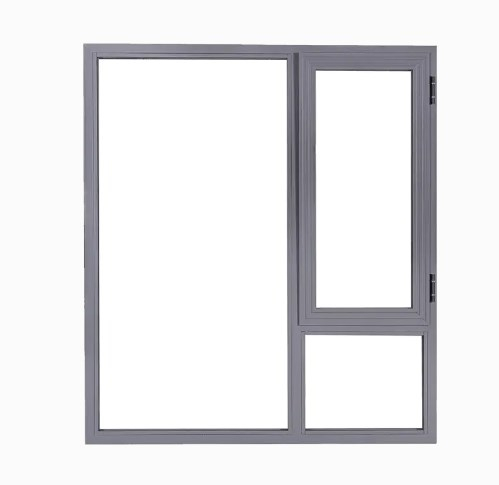
Introduction to Fire-Resistant Window Moisture Protection
Fire Resistant Window products are essential for ensuring both safety and durability in residential and commercial buildings. While their primary function is to resist fire and prevent the spread of flames, they are often exposed to moisture from rain, condensation, or high indoor humidity. Without proper moisture control, these windows may suffer from corrosion, seal failure, or reduced fire resistance over time. Understanding how to effectively implement damp-proofing measures is crucial for maintaining their performance and longevity.
Importance of Proper Sealants
One of the most critical steps in moisture protection for fire-resistant windows is the application of high-quality sealants. These sealants prevent water and air infiltration around the frame and glass edges. Silicone-based or polyurethane sealants are commonly used because they remain flexible under temperature changes and maintain a strong bond with metal or composite window frames. Proper application involves cleaning the surface thoroughly, applying the sealant evenly, and ensuring all gaps and joints are fully covered. This prevents water from penetrating sensitive areas that could compromise both fire resistance and structural integrity.
Frame Material Selection
The choice of frame material plays a significant role in moisture control. Fire-resistant windows often use steel, aluminum, or composite materials that are less prone to warping or rotting compared to traditional wood. Steel frames should be coated with anti-corrosive paints or powder finishes to prevent rusting when exposed to humid conditions. Aluminum frames can be anodized or painted to enhance corrosion resistance. Using materials with low water absorption and high durability ensures that the window remains dimensionally stable and maintains its fire-resistant properties even in moisture-prone environments.
Drainage and Ventilation Design
Incorporating effective drainage and ventilation into the window design is another key measure to prevent dampness. Fire-resistant windows should feature built-in weep holes or channels that allow accumulated water to drain away from the frame. Proper ventilation prevents condensation from forming on the interior surfaces, which can otherwise lead to mold growth and metal corrosion. Regular inspection of these drainage pathways ensures they remain clear of debris, maintaining the window’s moisture-resistance performance over time.
Protective Coatings and Maintenance
Applying protective coatings to both the glass and frame can further enhance moisture resistance. Anti-condensation coatings on glass surfaces reduce the likelihood of water droplets forming inside the window assembly. Frames can be treated with rust inhibitors, water-repellent finishes, or epoxy layers that add an extra barrier against moisture. Routine maintenance, including cleaning, reapplying sealants as needed, and inspecting for leaks or damage, ensures that the window continues to perform effectively against both fire and moisture threats.
Effective moisture control for Fire Resistant Window installations requires a combination of high-quality sealants, corrosion-resistant frame materials, proper drainage and ventilation, and protective coatings. These measures prevent water infiltration, condensation, and corrosion, ensuring the window maintains both its fire-resistant performance and long-term durability. Regular maintenance and inspection further support these efforts, allowing homeowners and facility managers to maximize the lifespan and safety of fire-resistant window systems. By addressing moisture proactively, fire-resistant windows can provide reliable protection against fire hazards without being compromised by dampness or environmental conditions.