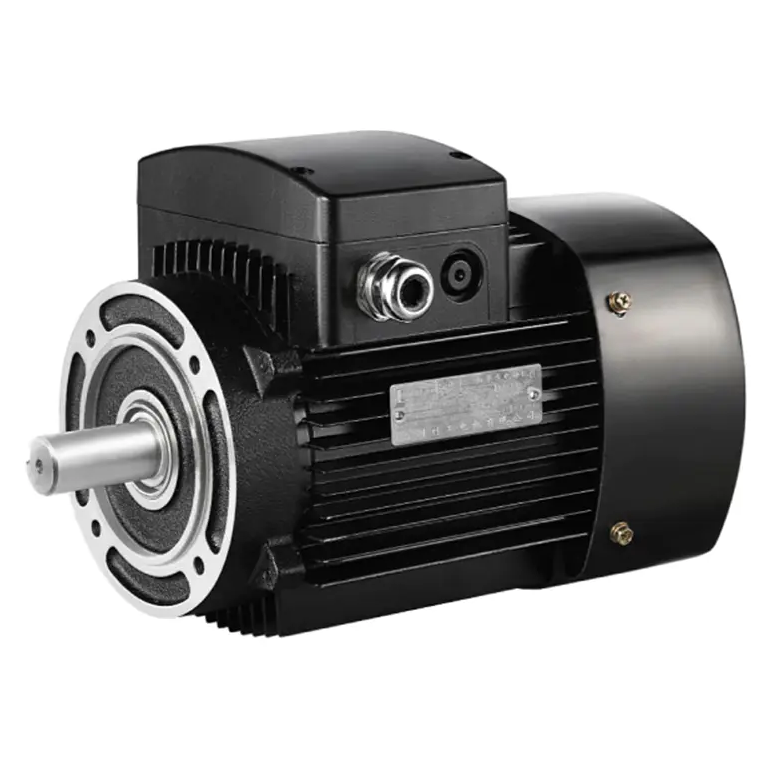
When maintenance engineers, plant managers, and system integrators exchange opinions online, one subject that frequently comes up involves comparing upfront price with operating cost and maintenance overhead. A central element of these discussions is the long-term impact of choosing high-efficiency motors over more basic models. Especially for motors that run 24/7 in industrial settings, users point out that energy consumption represents a large slice of lifecycle cost—often dwarfing the initial purchase price. When motor efficiency improves even modestly, the cumulative energy savings over time can significantly affect operating budgets in high-duty applications.
On the flip side, conversations about industrial asynchronous motors often recognize that while these induction designs may not match newer top-tier efficiency classes, their simple construction and widespread familiarity among technicians contribute to lower maintenance risks. Many forum participants note that robust asynchronous motors can be easier to troubleshoot and repair in the field, which matters in plants where uptime is critical and service resources are limited.
Users also frequently highlight the importance of matching motors with appropriate control systems. For example, pairing an efficient motor with a frequency converter can enhance overall system performance and reduce peak demand charges. Conversely, a misconfigured drive can introduce harmonics or excessive shaft currents that ultimately stress bearings and reduce service life.
In practical terms, community advice often centers on analyzing real usage patterns and duty cycles before selecting equipment. Tools like energy audits, thermal imaging, and performance benchmarking are recommended to establish baseline behavior and forecast potential gains from higher efficiency models. This helps stakeholders make decisions based not on marketing labels, but on tangible cost and performance data relevant to their operations.