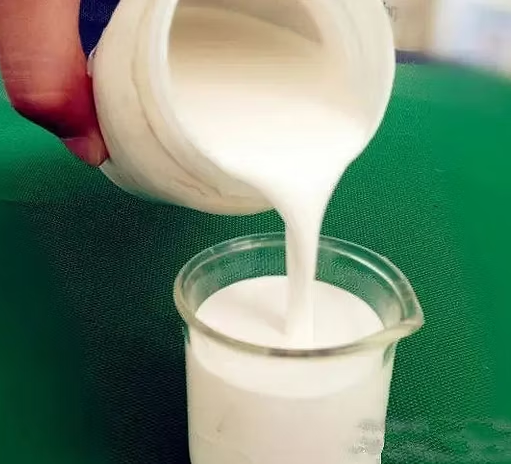
Innovation in polymer chemistry continues to open new possibilities for materials used across multiple sectors—from construction to industrial coatings. Among these developments are emerging research insights involving latex materials with tailored functional groups. An illustrative example is work that explores how carboxylated styrene butadiene latex interacts with cement hydration products and modifies microstructure in hardened materials.
Studies show that the presence of ionic carboxyl groups in such latex systems encourages a more cohesive 3D network within cement matrices, which can contribute to modified pore structure and increased toughness of hardened composites. This can help address inherent brittleness in traditional cement mixes, yielding materials with better resilience under stress.
However, research also highlights challenges—particularly those associated with long-term stability. Conventional liquid latex systems may suffer from dynamic instability over storage time, leading to decreased performance and higher transport costs if the emulsion breaks down prematurely. Dry-form alternatives are proposed to address these issues, potentially offering improved shelf life and easier handling while retaining redispersability.
These insights reflect broader trends in materials science where functional modification and structured emulsions are leveraged for specific performance attributes rather than simple bulk properties. Researchers are also investigating how latex modifications influence gas migration resistance and fluid mechanics in specialized cement systems, which could benefit down-hole cementing applications and other niche areas.
As interest in these advanced latex systems grows, both academic and industrial communities focus on balancing performance improvements with practical concerns like stability, reproducibility, and integration into existing production workflows.