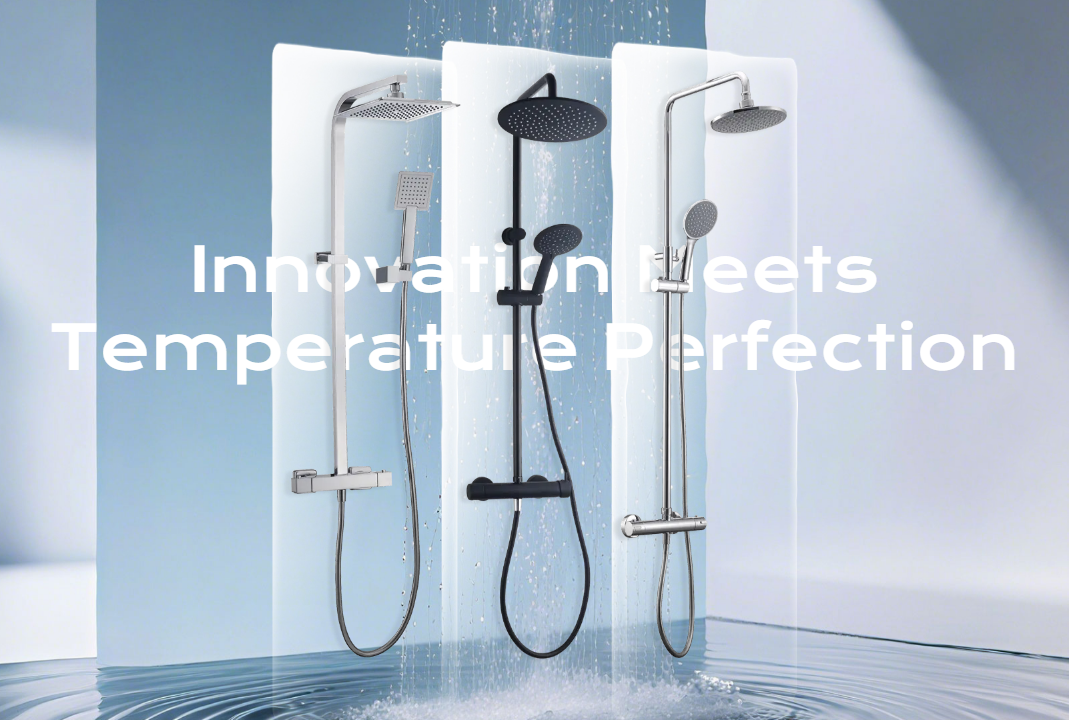
One recurring concern among people considering a Thermostatic Bathroom Faucet is safety, especially in households with children or elderly members. By design, these systems regulate water temperature around a preset value and can include safety stops to prevent scalding — such as limiting how hot the water can go unless a secondary action is taken.
Another issue prospective users ask about is how these fixtures respond to sudden changes in household water demand. In contrast to conventional taps where someone flushing a toilet can cause uncomfortable temperature swings, thermostatic systems adjust the mix of hot and cold water in real time, reducing such fluctuations.
However, users also ask whether this means thermostatic devices are maintenance-free. The consensus in user discussions and instructional resources is that maintenance — especially cleaning and occasionally descaling internal parts — is an important part of long-term performance, especially in areas with high mineral content.
Many also wonder if these valves are compatible with different water heaters or plumbing configurations. While most systems are designed to work with conventional hot water supplies, mismatches with specific boilers or pressure conditions can affect responsiveness and comfort, so professional consultation before purchase is often recommended.
In daily use, thermostat-regulated bathroom fixtures often deliver consistent temperature control with minimal adjustment once set. That’s a big reason many people feel their shower or bath time becomes more predictable and comfortable compared with manual mixing faucets.
In summary, safety and user confidence are central themes in user discussions, and many find that Thermostatic Faucet technology offers peace of mind when properly installed and maintained.