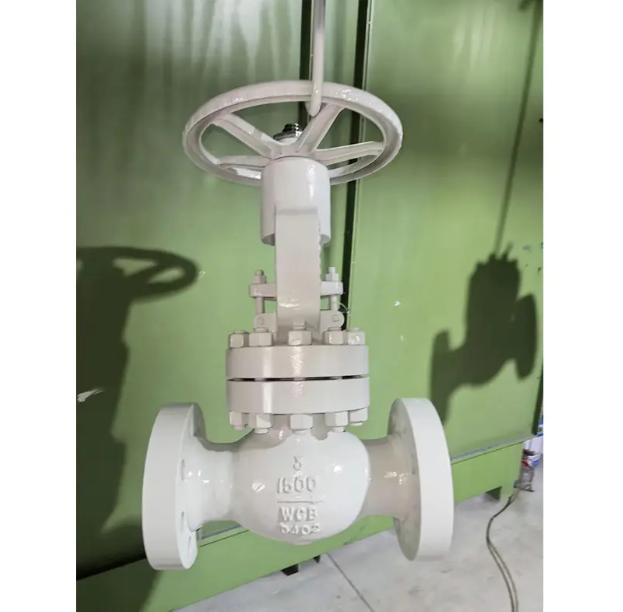
Globe valves are widely used in industrial systems for regulating and controlling fluid flow. Factories rely on these valves for applications ranging from water treatment to oil and gas pipelines. Choosing the right globe valve and sourcing it from experienced globe valve manufacturers can make a significant difference in performance and reliability.
What Is a Globe Valve?
A globe valve is designed to precisely control flow. Inside its spherical body, a movable disk works against a stationary seat, allowing operators to adjust the flow smoothly. This makes globe valves ideal for both on/off and throttling operations in industrial pipelines.
Where Are Globe Valves Commonly Used?
Globe valves are versatile and found in:
Petrochemical pipelines
Steam lines in power plants
Oil and gas transport systems
Water treatment facilities
Their ability to handle different pressures and temperatures makes them a practical choice for many industrial environments.
What Materials Are Typically Used?
Most globe valves are made from carbon steel, such as ASTM A216 WCB. For higher temperatures or corrosive conditions, stainless or alloy steel options are selected. Low-temperature globe valves use ASTM A352 grades, which maintain toughness in extreme cold.
How Should Globe Valves Be Maintained?
Routine maintenance keeps globe valves operating efficiently:
Lubricate moving parts to prevent wear.
Inspect and replace seals when needed.
Clean internal components to avoid buildup.
Test regularly to ensure smooth operation.
Regular attention from globe valve manufacturers or trained personnel can prevent downtime and costly repairs.
Why API Standards Matter for Globe Valves
API 623 is the primary standard for steel globe valves in the petrochemical and industrial sectors. It defines materials, dimensions, pressure ratings, and testing requirements such as hydrostatic and seat leakage tests. Compliance ensures consistency and reliable operation under demanding conditions.
When Are Low-Temperature Globe Valves Needed?
In applications with extremely low temperatures, such as LNG terminals or cryogenic pipelines, standard globe valves may fail. Low-temperature globe valves feature extended bonnets, impact-tested materials, and special sealing compounds to handle freezing conditions safely.
Choosing the Right Globe Valve Manufacturers
Selecting experienced globe valve manufacturers ensures valves meet specifications and performance expectations. Reliable manufacturers provide guidance on materials, standards, and installation practices tailored to your industrial needs.
Globe valves remain a critical component in modern industrial systems. Understanding their design, materials, maintenance needs, and standards can help factories optimize performance and avoid costly issues. Working with knowledgeable globe valve manufacturers ensures that every valve installed delivers consistent, safe, and efficient operation.