
In modern mechanical systems, shafts are critical components responsible for transmitting torque, supporting rotating elements, and maintaining precise alignment within assemblies. As machinery becomes more compact, faster, and more precise, CNC shaft machining has emerged as a cornerstone manufacturing process that directly impacts system reliability, efficiency, and service life.
Unlike conventional turning methods, CNC shaft machining enables tight tolerances, repeatable accuracy, and complex geometries that are essential for today’s automation, automotive, energy, and industrial equipment sectors. Companies such as AICHI TECHNOLOGY leverage advanced CNC machining capabilities to deliver shafts engineered for demanding operational environments.
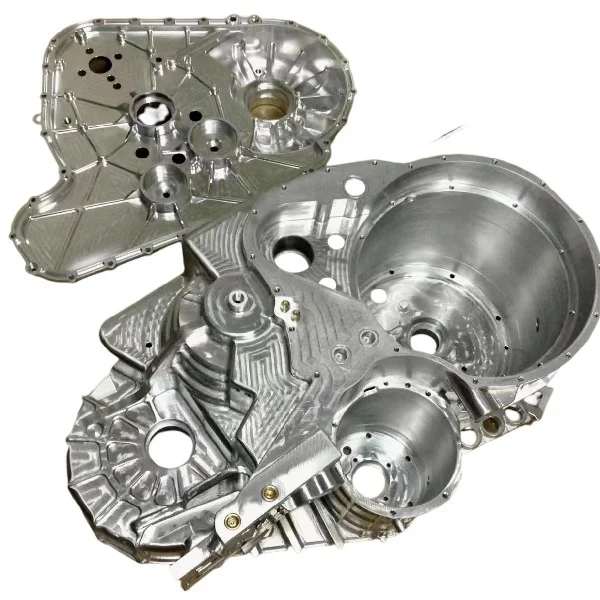
What Is CNC Shaft Machining
CNC shaft machining refers to the use of computer numerical control (CNC) lathes and multi-axis machining centers to produce cylindrical or stepped shafts with high dimensional accuracy and surface consistency. The process typically includes operations such as turning, milling, drilling, grooving, threading, and grinding, all controlled by programmed tool paths.
This digital control allows manufacturers to achieve micron-level tolerances and consistent quality across large production volumes, making CNC machining the preferred solution for both standardized and custom shaft components.
Core Technical Requirements in Shaft Machining
Dimensional Accuracy and Tolerance Control
Shafts often interface with bearings, gears, couplings, and seals. Even minimal dimensional deviation can cause misalignment, vibration, or premature wear. CNC shaft machining ensures precise diameter control, concentricity, roundness, and straightness—key parameters for high-speed and high-load applications.
AICHI TECHNOLOGY emphasizes precision measurement and in-process inspection to ensure every shaft meets strict engineering specifications.
Surface Finish and Functional Performance
Surface finish plays a vital role in friction behavior, fatigue resistance, and component lifespan. CNC machining allows controlled surface roughness tailored to specific applications, whether the shaft is designed for rolling contact, sliding motion, or press-fit assemblies.
Advanced finishing processes, including fine turning and post-machining grinding, further enhance surface integrity.
Material Selection for CNC Shaft Machining
Material choice directly affects shaft performance, machinability, and durability. Common materials used in CNC shaft machining include:
-
Carbon steel for general mechanical applications
-
Alloy steel for high-strength and fatigue-resistant shafts
-
Stainless steel for corrosion-resistant environments
-
Aluminum alloys for lightweight, high-speed systems
AICHI TECHNOLOGY supports material selection based on load conditions, operating temperature, wear resistance, and lifecycle requirements, ensuring optimal balance between performance and cost.
Customization in CNC Shaft Machining
Many industrial systems require shafts with non-standard features such as keyways, splines, cross-holes, threads, or stepped diameters. CNC shaft machining enables these features to be integrated into a single production cycle, reducing assembly complexity and tolerance stack-up.
Custom shaft machining is especially valuable for:
-
Automation equipment
-
Robotics and servo systems
-
Packaging machinery
-
Specialized industrial drives
By combining design flexibility with process stability, CNC machining supports both prototyping and scalable production.
Quality Control and Process Consistency
Consistency is a defining advantage of CNC shaft machining. Automated tool paths, controlled cutting parameters, and digital feedback systems minimize variation and reduce human error.
Professional manufacturers implement multi-stage quality control, including:
-
Raw material verification
-
In-process dimensional inspection
-
Final measurement using CMM and precision gauges
These practices ensure shafts maintain consistent performance throughout their service life.
CNC Shaft Machining in High-Demand Industries
CNC-machined shafts are widely used across industries that demand precision and reliability:
-
Industrial automation: Servo motor shafts and drive components
-
Automotive systems: Transmission and steering shafts
-
Energy equipment: Generator and pump shafts
-
Packaging machinery: High-speed rotating shafts
In each application, machining accuracy directly influences operational stability and efficiency.
Why AICHI TECHNOLOGY Excels in CNC Shaft Machining
AICHI TECHNOLOGY combines engineering expertise with advanced CNC equipment to deliver shaft machining solutions tailored to real-world industrial requirements. Key strengths include:
-
High-precision CNC turning and multi-axis machining
-
Support for both standard and custom shaft designs
-
Strict quality assurance and traceability systems
-
Stable production capacity for long-term supply
This integrated approach enables customers to source CNC-machined shafts that perform reliably under demanding conditions.
Conclusion: CNC Shaft Machining as a Performance Driver
CNC shaft machining is more than a production process—it is a performance driver that influences machine accuracy, durability, and efficiency. From material selection to final inspection, every step contributes to the reliability of the finished component.
Through precision engineering and manufacturing excellence, AICHI TECHNOLOGY continues to support global industries with high-quality CNC-machined shafts designed for modern mechanical challenges.
https://www.wxaichi.com/from-raw-material-to-rotation-the-cnc-shaft-machining-process.html