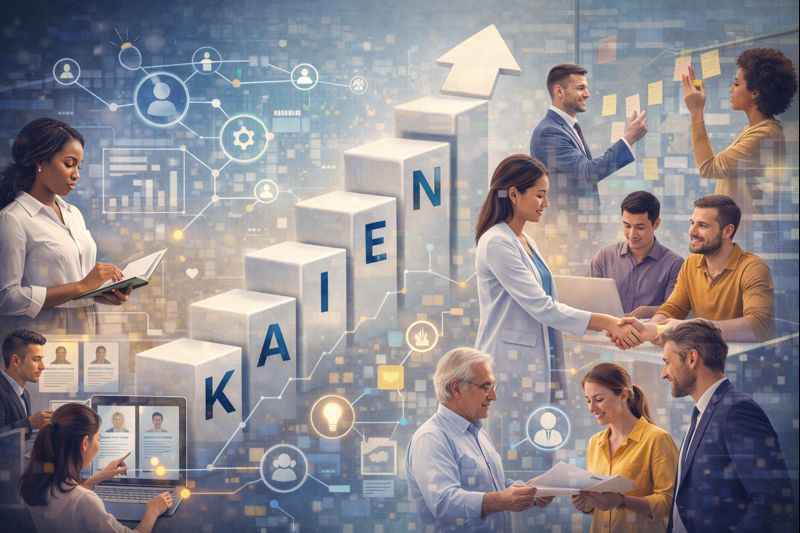
In a rapidly changing workplace, HR teams are expected to adapt faster than ever supporting evolving employee needs, new technologies, and shifting business priorities. Traditional, one-time transformation initiatives are no longer enough. Instead, many organizations are embracing the Kaizen principle, a philosophy centered on continuous, incremental improvement, to drive sustainable change within HR.
Originally rooted in manufacturing, Kaizen has evolved into a powerful mindset that is now reshaping how HR functions operate, innovate, and deliver value.
What Is the Kaizen Principle?
Kaizen is a Japanese term meaning “change for the better.” It focuses on making small, consistent improvements over time rather than relying on large, disruptive changes. The philosophy emphasizes employee involvement, process optimization, and a culture of learning.
When applied to HR, Kaizen encourages teams to continuously refine processes, policies, and experiences creating a more agile and responsive people function.
Why Kaizen Matters in HR Today
Modern HR operates in an environment defined by constant change. Talent shortages, digital transformation, hybrid work models, and evolving employee expectations require HR to remain flexible and proactive.
Kaizen supports this by:
- Promoting adaptability rather than rigid processes
- Encouraging data-driven decision-making
- Empowering employees at all levels to contribute ideas
- Reducing inefficiencies through ongoing optimization
Instead of waiting for annual reviews or major system overhauls, HR teams using Kaizen improve continuously day by day.
How Kaizen Is Transforming HR Functions
Continuous Improvement in Recruitment
Kaizen-driven HR teams regularly analyze hiring workflows to reduce time-to-hire, improve candidate experience, and enhance hiring quality. Small adjustments such as refining job descriptions or improving interview feedback loops can deliver significant long-term impact.
Better Employee Experience
By continuously gathering feedback and acting on it, HR teams can improve onboarding, engagement, and communication processes. Kaizen shifts the focus from reactive problem-solving to proactive experience design.
Smarter Performance Management
Rather than relying solely on annual performance reviews, Kaizen encourages frequent check-ins, ongoing feedback, and incremental goal adjustments. This creates a more supportive and growth-oriented performance culture.
Ongoing Learning and Development
Kaizen supports continuous learning by identifying skill gaps early and addressing them through regular upskilling initiatives. This approach aligns employee development with evolving business needs.
The Cultural Impact of Kaizen in HR
One of the most powerful aspects of Kaizen is its impact on organizational culture. When HR models continuous improvement, it sets the tone for the entire organization.
Employees feel:
- More empowered to share ideas
- More engaged in shaping their work environment
- More accountable for personal and team growth
This cultural shift strengthens trust, collaboration, and innovation across the workforce.
HR tech is evolving fast. Are you keeping up? Read more at HR Technology Insights
To participate in our interviews, please write to our HRTech Media Room at info@intentamplify.com