In today’s data-driven B2B landscape, intent data has become a critical component of successful marketing and sales strategies. It helps organizations identify in-market buyers, personalize engagement, and accelerate pipeline growth. However, as data privacy concerns continue to rise, businesses are rethinking how they collect and use buyer data.
This shift has led to the emergence of ethical intent data — a privacy-first, transparent approach to gathering and using buyer intent signals. In 2026, top B2B brands are rapidly transitioning to ethical intent data strategies to build trust, maintain compliance, and drive sustainable growth.
What Is Ethical Intent Data?
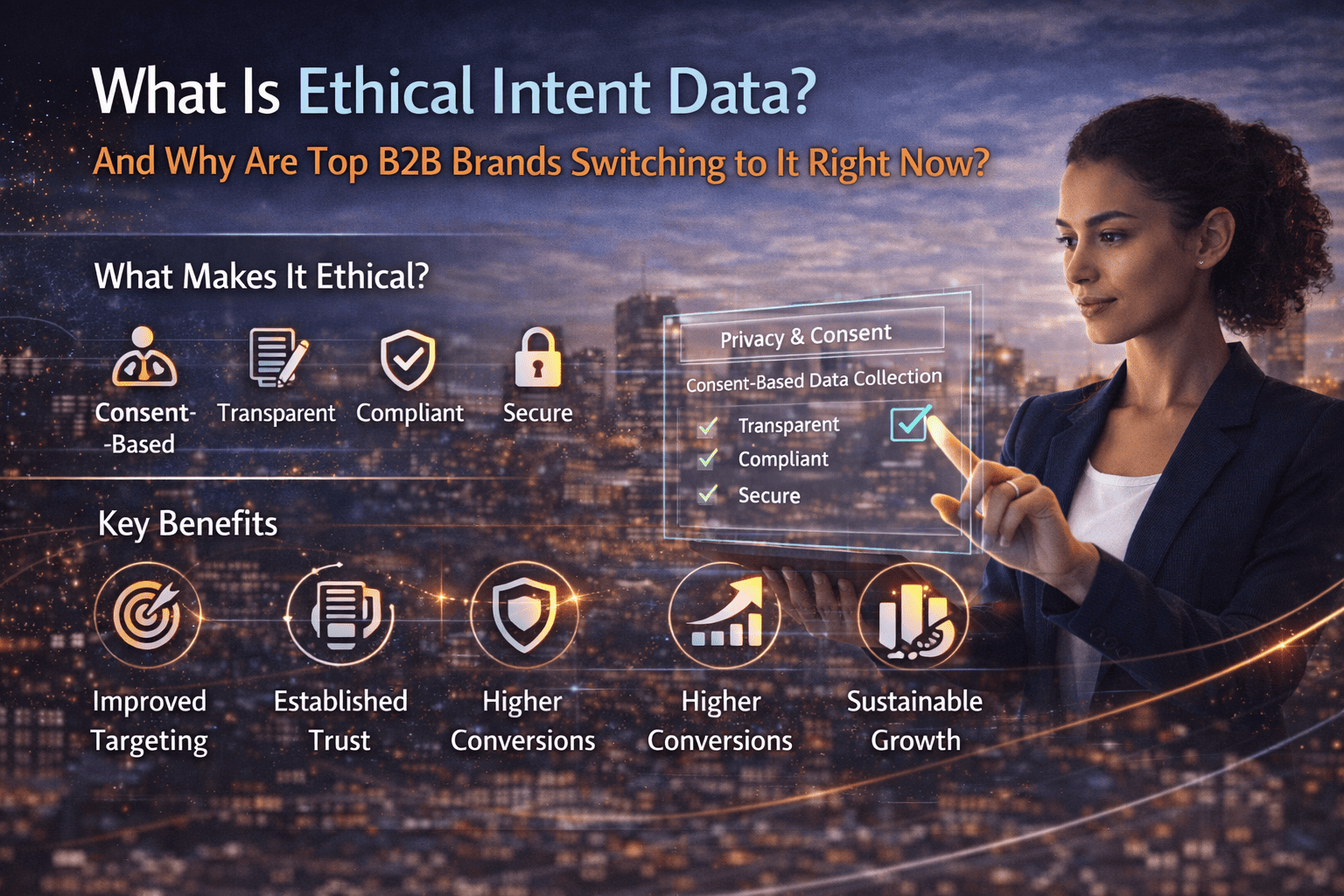
Ethical intent data refers to buyer behavior and research signals collected in a transparent, privacy-compliant, and responsible manner. It ensures that data is gathered with proper consent, respects user privacy, and adheres to global data protection regulations.
Unlike traditional data practices that often rely on opaque tracking methods, ethical intent data focuses on:
- Consent-based data collection
- Transparency in data usage
- Compliance with privacy regulations
- Secure data handling
- Respect for user preferences
This approach enables businesses to gain valuable insights while maintaining customer trust.
Why Ethical Intent Data Matters in 2026
Data privacy has become a top priority for organizations and consumers alike. Regulations such as GDPR and evolving global privacy standards require companies to handle data responsibly.
Ethical intent data helps organizations:
- Maintain compliance with data regulations
- Build trust with prospects and customers
- Avoid reputational risks
- Improve data quality and accuracy
- Create sustainable marketing strategies
Brands that fail to adopt ethical data practices risk losing customer confidence and facing legal challenges.
Key Drivers Behind the Shift
- Growing Privacy Regulations
Governments worldwide are introducing stricter data privacy laws. Ethical intent data ensures compliance with these regulations and reduces legal risks.
- Buyer Trust and Transparency
Modern buyers expect transparency about how their data is collected and used. Ethical data practices strengthen brand credibility and relationships.
- Decline of Third-Party Cookies
With the decline of third-party cookies, businesses must rely more on first-party and consent-based data sources. Ethical intent data supports this transition.
- Higher Data Accuracy
Consent-based and verified data sources often provide more accurate and reliable insights, improving targeting and engagement.
How Ethical Intent Data Drives Better Results
Improved Targeting
Ethical intent data focuses on real engagement signals from interested buyers, leading to more accurate targeting.
Stronger Customer Relationships
Transparent data practices build trust and improve long-term customer relationships.
Higher Conversion Rates
When prospects trust a brand, they are more likely to engage, respond, and convert.
Sustainable Growth
Ethical data strategies create long-term value by ensuring compliance and maintaining brand reputation.
Technologies Supporting Ethical Intent Data
Modern tools help organizations implement ethical intent data strategies effectively:
- First-party data platforms
- Consent management tools
- AI-driven analytics
- Privacy-compliant intent data platforms
- Secure data management systems
These technologies ensure data is collected and used responsibly while delivering actionable insights.
Best Practices for Implementing Ethical Intent Data
To successfully adopt ethical intent data, organizations should:
- Prioritize transparency with customers
- Use consent-based data collection methods
- Invest in privacy-compliant tools
- Align marketing and legal teams
- Focus on first-party data strategies
- Regularly audit data practices
These steps help maintain compliance and build trust.
The Future of Ethical Intent Data
Ethical intent data will continue to shape B2B marketing strategies beyond 2026. Future trends include:
- Greater reliance on first-party data ecosystems
- AI-driven privacy-safe analytics
- Real-time consent management
- Increased focus on data transparency
- Stronger customer trust initiatives
Organizations that adopt ethical data practices today will gain a competitive advantage in the evolving digital landscape.
INTENT AMPLIFY is evolving fast. Are you keeping up? Read more at intentamplify.com
To participate in our interviews, please write to our Media Room at info@intentamplify.com