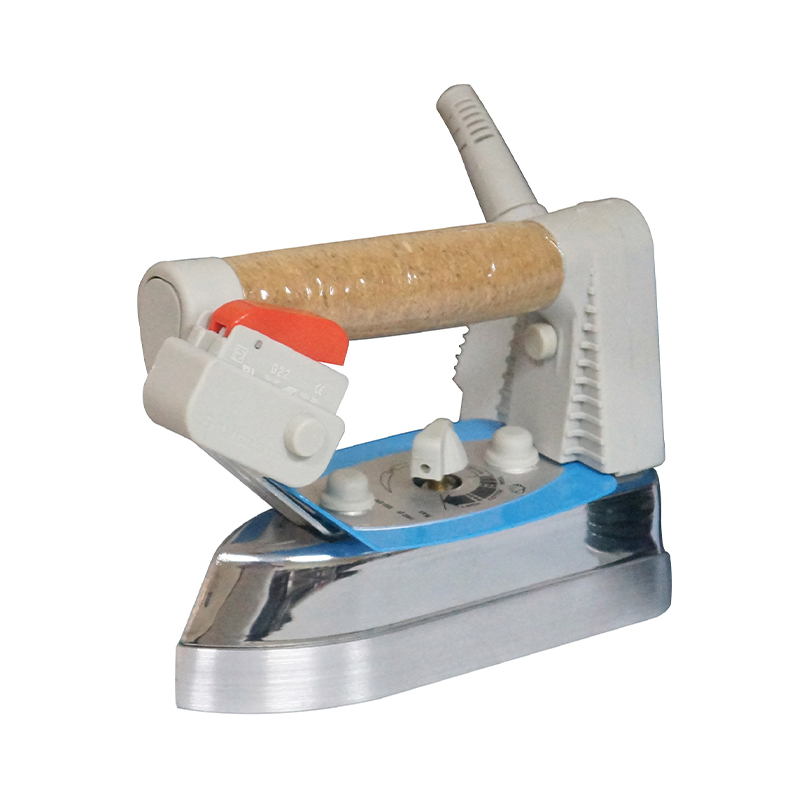
The effectiveness of an electric iron is rooted in its integrated thermal and mechanical design. The core component is a resistive heating element, typically a coiled nichrome wire embedded in a mica sheet or cast into an aluminum soleplate. This element rapidly heats up when an electric current passes through it. A bimetallic thermostat, connected in series with the heating element, automatically cycles the power on and off to maintain a user-selected temperature. This prevents fabric damage from overheating and allows for a consistent ironing temperature.
Steam functionality adds a layer of complexity. Modern steam irons contain a water reservoir, often made of plastic, connected to a boiler chamber near the soleplate. A pump or valve system, sometimes controlled by a separate button, releases water into the hot chamber, where it instantly vaporizes into steam and exits through small holes in the soleplate. Advanced models feature a "burst of steam" function that delivers a more powerful shot to tackle stubborn wrinkles, and a "spray mist" function to dampen dry fabrics directly. The soleplate's material and coating—such as non-stick ceramic, titanium, or stainless steel—are critical for smooth gliding, scratch resistance, and even heat distribution.
Safety features are integral, including automatic shut-off mechanisms that power down the iron if left motionless on its soleplate or heel rest for a set period. The careful orchestration of these electrical, thermal, and hydraulic systems within a compact, user-safe package defines a high-quality electric iron. This engineering makes it a reliable and versatile tool for a wide variety of fabric care tasks in the home.