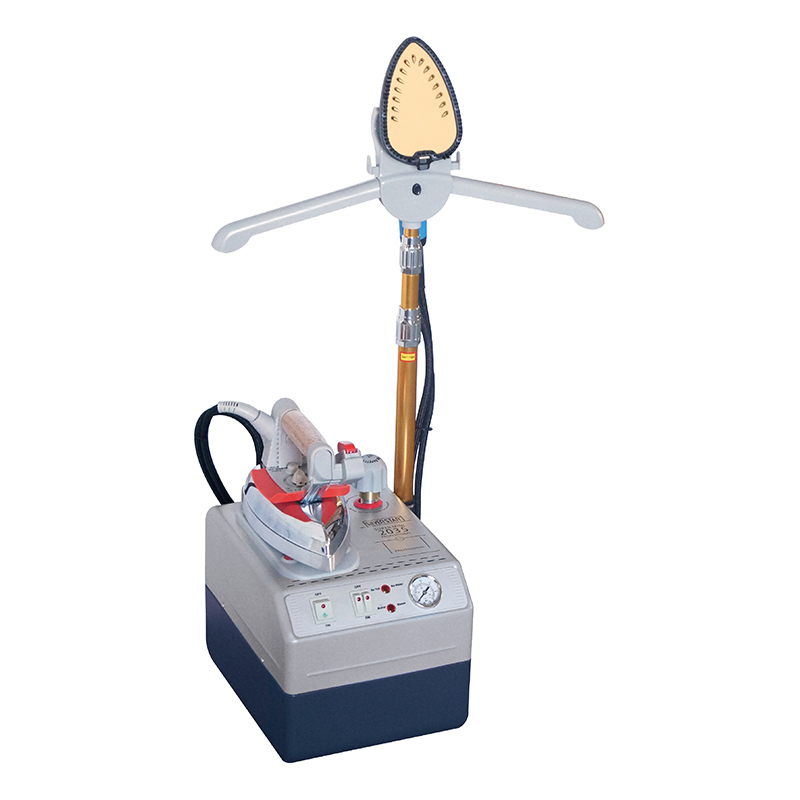
A steam boiler is a closed vessel designed to transfer heat generated from fuel combustion or electricity into water, producing steam for various applications. This equipment operates under pressure, containing the phase change of water from liquid to vapor. The resulting steam serves as an efficient energy carrier for heating, mechanical power generation, and industrial processes. Its fundamental role across residential, commercial, and industrial sectors stems from steam's high heat capacity and ability to transfer energy over distances with minimal losses. The design and operation of a steam boiler prioritize safety, efficiency, and reliability to manage the high pressures and temperatures involved.
Key operational components include the burner or heating element, the pressure vessel (or shell), a heat exchanger surface, safety valves, and control systems. Water is heated within the vessel until it reaches its boiling point corresponding to the operating pressure. The steam produced may be used directly in processes requiring heat or moisture, or it may drive turbines for electricity generation. Boiler types vary from fire-tube designs, where hot gases pass through tubes surrounded by water, to water-tube designs, where water circulates inside tubes heated externally by combustion gases. Each configuration offers distinct advantages in pressure capacity, steam quality, and response time.
Maintenance and water treatment are critical for longevity and safe operation. Regular inspection of safety devices, pressure gauges, and water level controls is mandatory. Water must be treated to prevent scale formation and corrosion inside the vessel. The reliable and controlled production of steam by a steam boiler makes it an indispensable component in district heating networks, power plants, manufacturing facilities, and even in sterilization processes within healthcare and food production industries.