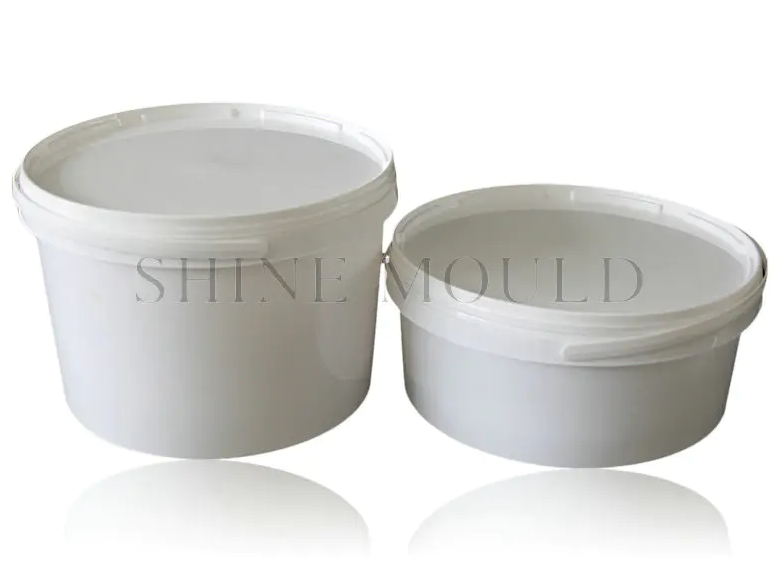
Introduction to Bucket Moulds
A Bucket Mould is an essential tool used in the production of plastic, metal, or composite buckets. The mould determines the shape, size, and surface quality of the final product, making its design and manufacturing critical for achieving high-quality results. Understanding the production process of a bucket mould helps manufacturers optimize efficiency, maintain consistency, and ensure durability in mass production.
Design and Material Selection
The first step in producing a bucket mould is design. Engineers use computer-aided design (CAD) software to create precise mould models, accounting for bucket dimensions, wall thickness, and handle placement. The design phase also considers the intended production method, such as injection molding, blow molding, or rotational molding. Material selection follows, with common choices including high-grade steel, aluminum, or reinforced polymers. Steel is preferred for high-volume production due to its strength and wear resistance, while aluminum offers lightweight advantages for prototyping and medium-scale manufacturing.
Mould Machining and Fabrication
Once the design is finalized, the mould undergoes machining. CNC (Computer Numerical Control) machines are typically used to cut and shape the mould with high precision. Key features such as the cavity, core, and ejector mechanisms are carefully fabricated to ensure smooth operation and easy demolding. Additional techniques, such as drilling, milling, and surface polishing, are applied to achieve the desired tolerances and surface finish. For decorative or textured bucket surfaces, engraving or embossing can be incorporated at this stage.
Assembly and Surface Treatment
After machining, the mould components are assembled and tested for alignment and functionality. Proper assembly ensures that all moving parts, such as sliding cores and ejector pins, operate smoothly during production. Surface treatment may also be applied, including polishing, coating, or plating, to enhance wear resistance, reduce friction during demolding, and improve the final bucket’s appearance. Surface finishing is particularly important for high-volume production, as it impacts both product quality and mould longevity.
Testing and Quality Assurance
Before full-scale production begins, the bucket mould undergoes trial runs. Test pieces are produced to check for dimensional accuracy, surface finish, and structural integrity. Adjustments are made as necessary to correct any defects or inconsistencies. Rigorous quality control ensures that each bucket produced meets design specifications and performance standards. This step minimizes waste, reduces downtime, and ensures reliability during long-term manufacturing.
The production of a Bucket Mould involves a comprehensive process, including design, material selection, precision machining, assembly, surface treatment, and thorough testing. Each step is critical for achieving a durable, high-quality mould capable of producing consistent buckets in large quantities. Understanding this process helps manufacturers optimize efficiency, maintain product standards, and extend the service life of the mould, ultimately contributing to successful and cost-effective production.
Product: Plastic Mold
MoldNO: Customized
Brand: SHINE
Color: Customized
Place of Origin: Huangyan, China
Size: Customized
Material: Plastic
Packing: Poly Wood Box
Advantage: OEM is available, shaping
Mold: Plastic Injection Mold
Supply Ability: About 100 Sets Per Month
Use: Household Product
Mold Material:NAK80,S136,H13,718H,P20, etc.
Plastic Material: PP, PC, PS, POM, PE, PU, PVC, ABS, PMMA, etc.