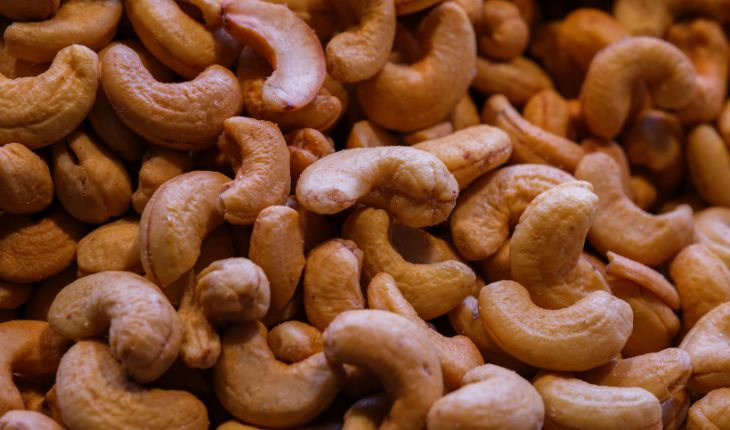
The global cashew kernel market attained a value of about USD 6.22 billion in 2025 and is projected to grow at a CAGR of 4.90% during the forecast period of 2026–2035, reaching nearly USD 10.04 billion by 2035. Market expansion is being supported by rising consumption of healthy snacks, increasing use of cashew kernels in food processing, and growing demand from plant-based and premium nut segments. Trade flows and value addition through processing hubs continue to shape global supply dynamics.
Market Overview
Cashew kernels are widely consumed as snack products and are also used as ingredients in bakery, confectionery, dairy alternatives, sauces, and ready-to-eat foods. Demand is driven by their nutritional profile, versatility, and rising preference for natural, protein-rich foods. The market includes both raw and processed kernels, with value addition through roasting, flavouring, and packaged retail formats gaining importance across developed and emerging economies.
Key Growth Drivers
Rising Demand for Healthy and Convenient Snacking
Consumers are increasingly shifting toward nutrient-dense snacks, supporting demand for cashew kernels as a premium nut option. Growth in health-conscious eating patterns and preference for natural products is strengthening retail consumption globally.
Expanding Applications in Food and Beverage Processing
Cashew kernels are increasingly used in processed food formulations, including confectionery, bakery products, snack mixes, and plant-based dairy alternatives such as cashew milk and cheese. This diversification of end-use applications is supporting steady market growth.
Growth of Plant-Based and Vegan Diet Trends
The rise of plant-based diets is encouraging the use of cashews in non-dairy and vegan food categories. Cashews are valued for their creamy texture and functional properties, making them a key ingredient in alternative protein and dairy-free product development.
Increasing Retail Penetration and Premium Packaging Formats
Improved availability of branded cashew products through supermarkets, specialty stores, and e-commerce platforms is expanding market reach. Premiumisation through flavoured, roasted, and portion-controlled packaging is also contributing to higher value growth.
Key Challenges
Price Volatility and Supply-Side Constraints
Cashew kernel pricing is influenced by raw cashew nut availability, climatic conditions in producing regions, and global trade disruptions. Supply variability can affect procurement costs and create uncertainty for processors and exporters.
Processing Dependence and Labour-Intensive Supply Chain
Cashew processing remains labour-intensive in several producing countries, creating operational challenges related to labour availability, cost increases, and quality consistency. Modernisation of processing infrastructure is critical for efficiency improvements.
Competition from Other Tree Nuts
Cashews face competition from almonds, walnuts, pistachios, and other nuts that compete in similar snack and ingredient categories. Shifts in consumer preference and relative pricing can influence demand patterns.
Outlook for 2026–2035
The global cashew kernel market is expected to expand steadily through 2035, supported by healthy snacking trends, growing plant-based food applications, and rising premium nut consumption. Future growth will depend on supply chain resilience, processing efficiency, and the ability of market participants to meet evolving consumer expectations for quality, traceability, and value-added product formats.