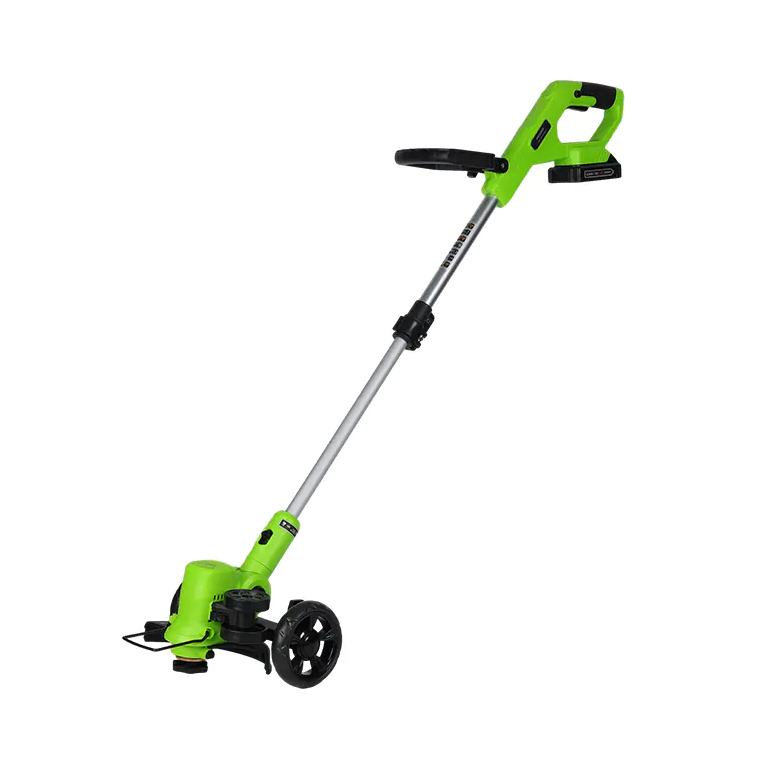
For homeowners seeking a powerful, low-maintenance, and environmentally friendly alternative to traditional mowers, a specific technological advancement stands out. The brushless grass mower represents the pinnacle of electric lawn care, utilizing a more sophisticated motor design that fundamentally improves performance, durability, and energy efficiency. By eliminating the physical friction points and energy losses inherent in older electric motor designs, this technology delivers longer runtimes, more consistent power, and a cleaner, quieter mowing experience, making it the leading choice for those ready to upgrade their yard maintenance.
Core Technology: Understanding the Brushless Advantage
Unlike a brushed DC motor, which uses physical carbon brushes to transfer electricity to a spinning armature, a brushless motor operates on a different principle. It uses a system of permanent magnets arranged around the rotor and a computerized controller that precisely sequences power to the motor's windings. This creates a rotating magnetic field that drives the rotor without any physical contact. This design eliminates the sparks, friction, and wear associated with brushes. The key benefits are direct: reduced energy waste (translating to longer battery life), significantly less heat generation, no brush dust to contaminate the motor, and a dramatic increase in the motor's operational lifespan, often measured in thousands of hours.
Performance Benefits: Runtime, Torque, and Adaptability
The user experiences these technical advantages in tangible ways. First, extended runtime: a brushless motor can be 20-30% more efficient, meaning a battery charge lasts longer, covering more square footage. Second, intelligent power delivery: the electronic controller can sense load increases (e.g., hitting a thick patch of grass) and instantly deliver more torque to maintain blade speed, ensuring a consistent, even cut without bogging down. This adaptive power makes it highly effective in variable conditions. Third, cooler and quieter operation: with less internal friction and no brush "arc," the motor runs cooler and quieter, reducing thermal stress on components and making for a more pleasant user experience.
Durability, Maintenance, and System Synergy
The absence of wearable brushes is a major durability boon. There are no brushes to replace, reducing long-term maintenance to virtually zero for the motor itself. The sealed design better protects internal components from moisture and grass clippings. This reliability pairs perfectly with modern lithium-ion battery ecosystems. High-capacity batteries (40V, 56V, or 80V platforms) provide the necessary amperage, while the mower's efficiency maximizes their potential. Many models are part of a full tool system, allowing battery interchangeability with trimmers, blowers, and chainsaws. When not in use, storage is simple: clean the deck, remove the battery for indoor charging, and store in a dry place—no winterizing with fuel stabilizer or oil changes.
Making an Informed Choice for Your Landscape
When considering a brushless model, evaluate your lawn's specific needs. Assess the voltage and Ah rating of the battery to ensure sufficient power and runtime for your yard size. Look for a robust, steel or polymer deck, adjustable cutting heights, and a convenient folding design for storage. While the upfront cost is higher than basic electric or some gas mowers, the long-term value is clear: savings on fuel and maintenance, reduced noise pollution, zero emissions, and reliable, powerful performance season after season. It is an investment in a cleaner, simpler, and more effective approach to achieving a well-manicured lawn.