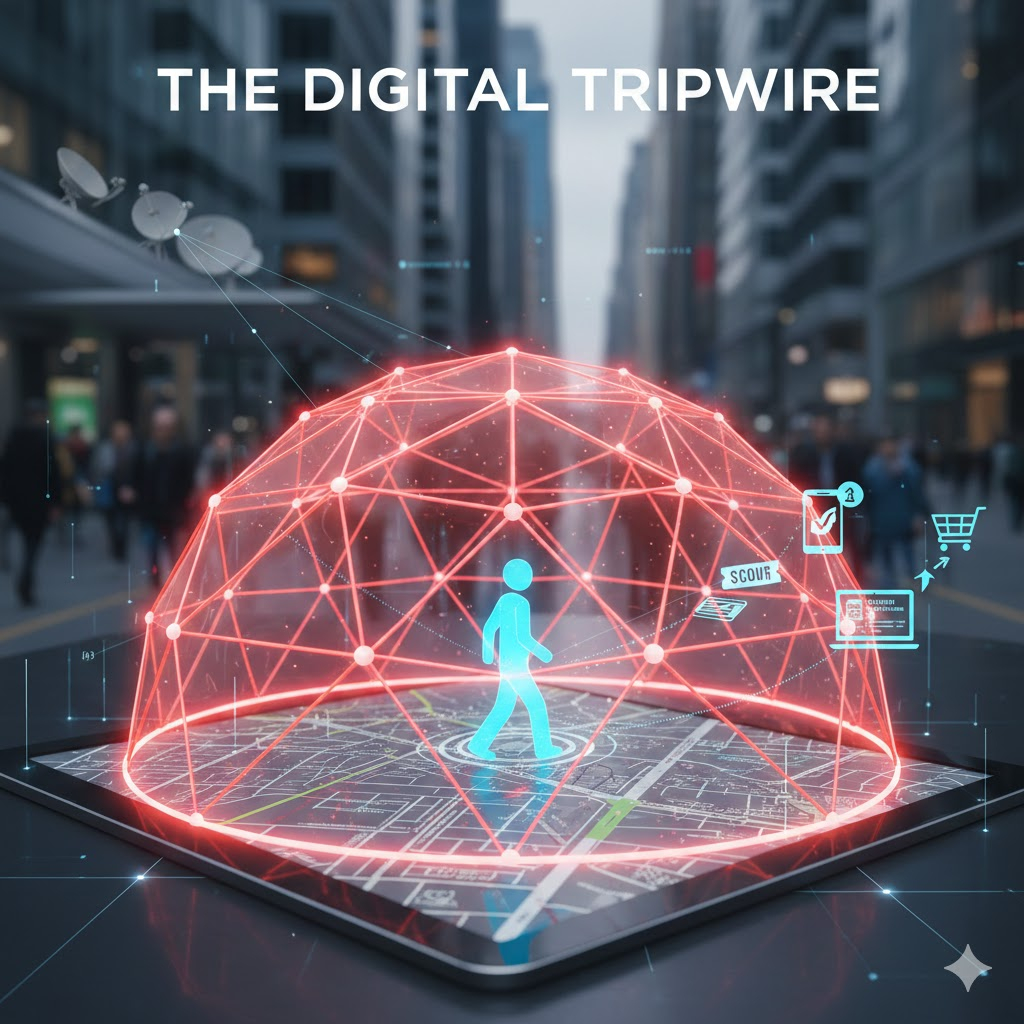
In the modern marketing landscape, the gap between "online interest" and "offline action" has often felt like a canyon. You can track a user’s clicks, their time on your site, and their abandoned carts, but knowing when they are physically standing outside your door has historically been a guessing game. Enter geofencing the digital tripwire that has revolutionized lead generation by turning GPS coordinates into actionable sales triggers.
The Science of the "Virtual Fence"
At its core, geofencing is a location-based service that uses Global Positioning System (GPS) data, Wi-Fi, or cellular data to create a virtual geographic boundary. When a mobile device enters or exits this "fence," it triggers a specific response a push notification, a targeted SMS, or a highly specific display ad.
Unlike traditional broad-spectrum advertising, geofencing doesn't spray and pray. It waits for the most critical indicator of intent: physical presence.
Why GPS Data is the Ultimate Lead Qualifier
The primary challenge of lead generation is qualification. A thousand clicks are useless if they don't come from buyers. GPS data acts as a powerful filter for intent. For example, if a user spends forty-five minutes at a luxury boat show, their GPS data qualifies them as a high-intent lead for marine insurance or high-end outdoor gear.
By leveraging this data, businesses can transition from "audience-based" marketing to "context-based" marketing. You aren't just reaching a 35-year-old male; you are reaching a 35-year-old male who is currently standing in your competitor’s showroom.
Three Ways Geofencing Wins the Lead Gen Game
- Conquesting the Competition: One of the most aggressive and effective uses of geofencing is "location conquesting." By drawing a fence around your competitor's location, you can serve ads to customers while they are actively browsing a rival’s products. A well-timed notification offering a "Price Match + 10% Discount" can pivot a lead at the most crucial moment of the buyer's journey.
- Hyper-Local Relevance: Geofencing allows for extreme personalization. If a lead enters a fence around a shopping mall during a rainstorm, a nearby retailer can trigger an ad for umbrellas or rain gear. This level of relevance increases click-through rates (CTR) exponentially because the advertisement feels less like an intrusion and more like a solution.
- B2B Event Capture: For B2B companies, trade shows are gold mines. By fencing a convention center, you can capture the digital IDs of every attendee. Even if they don't stop by your booth, you can retarget them with specialized LinkedIn ads or emails for weeks after the event, ensuring your brand stays top-of-mind during the decision-making process.
The 2026 Perspective: Privacy and Value
As we move through 2026, the "creep factor" is a valid concern. The most successful lead generation strategies are those that trade value for visibility. Customers are willing to share their location data if the reward is worth it whether that’s a significant discount, exclusive access, or a simplified shopping experience.
INTENT AMPLIFY is evolving fast. Are you keeping up? Read more at intentamplify.com
To participate in our interviews, please write to our Media Room at info@intentamplify.com