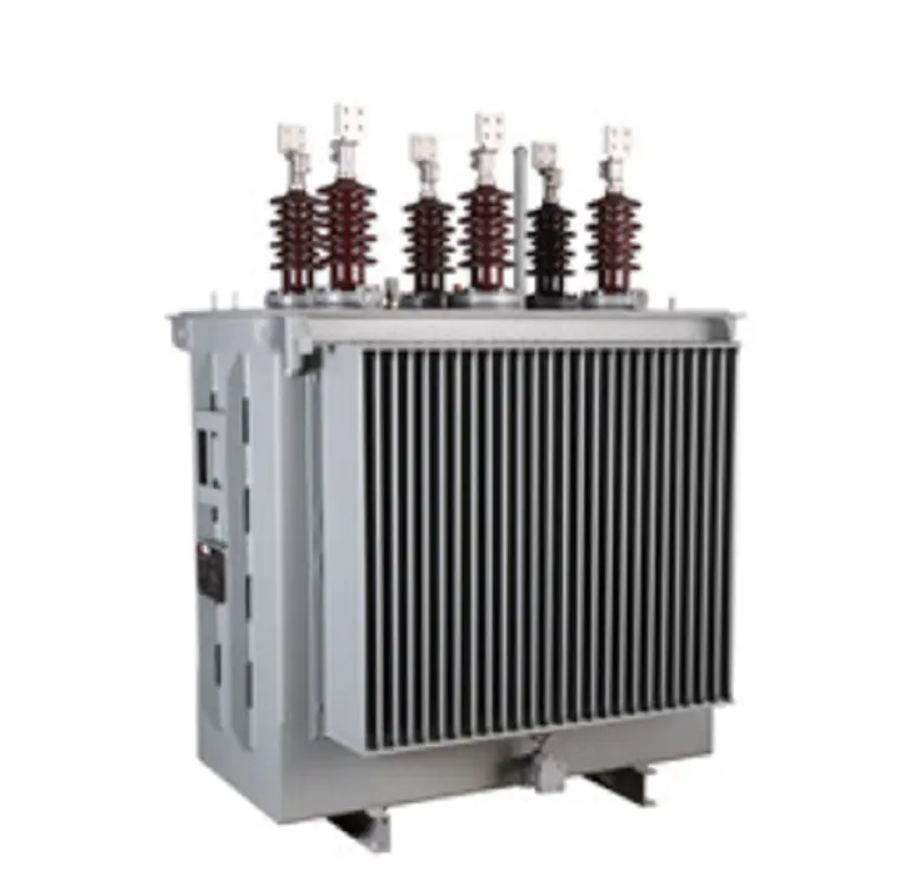
Installing high-voltage capacitors requires strict adherence to safety protocols and technical specifications to ensure reliable operation and personnel protection. Unlike low-voltage equipment, high-voltage capacitors store significant energy even after power disconnection, making proper installation procedures critical for any facility.
Safety Clearances and Ventilation Requirements
Proper spacing between capacitor units directly affects heat dissipation and long-term reliability. When installing multiple high-voltage capacitors side by side, maintain adequate clearance between units to facilitate proper airflow. For stacked installations, capacitors should generally not exceed three layers, with sufficient vertical clearance between tiers. The bottom of the lowest capacitor should be mounted at an appropriate height above the floor to protect against moisture and allow cleaning access.
Ventilation deserves special attention in capacitor rooms. These spaces should have intake openings positioned to create effective airflow paths. Room temperature during operation should remain within acceptable limits, as excessive heat accelerates dielectric aging.
Discharge Procedures and Waiting Periods
The most critical safety consideration involves stored electrical energy. High-voltage capacitors retain dangerous charges after de-energization. Operators must wait an adequate period after disconnecting power before approaching high voltage capacitor banks. Following this waiting period, use an insulated discharge tool to short between terminals and from each terminal to ground, confirming complete discharge with a voltmeter before handling.
This requirement applies equally to outdoor installations. Utility specifications for pole-mounted capacitor banks explicitly warn personnel to allow sufficient time after opening cutouts before shorting and grounding terminals.
Protection Device Selection
Proper overcurrent protection prevents catastrophic failures. For high voltage applications, current-limiting fuses should have appropriate ratings relative to the capacitor's rated current. This range accommodates inrush currents during switching while providing adequate fault protection. All wiring and switching equipment must carry sufficient capacity relative to the capacitor's rated current.
Mounting Configurations and Busbar Considerations
When connecting high voltage capacitors in parallel, avoid using copper busbars for wiring. Individual flexible connections prevent mechanical stress on bushings during vibration or thermal expansion. Each capacitor should connect to the bus with separate conductors rather than rigid busbars, which can transmit forces that cause porcelain damage or oil leakage.
For specialized applications like water-cooled high voltage capacitors, additional engineering considerations apply. Units designed for induction heating or similar duty cycles may require adequate cooling water flow with proper outlet temperature limitations.
Grounding and Bonding Requirements
All capacitor cases and mounting structures require positive grounding. The capacitor neutral and cases must bond to mounting racks, and racks must connect to the system ground. This bonding ensures that internal faults cause protective devices to operate rather than energizing accessible surfaces. Grounding conductors should be sized to handle the maximum fault current until clearing devices operate.
Environmental and Site Selection Factors
Installation location significantly influences capacitor life. Sites should avoid areas with corrosive gases, steam, excessive dust, or flammable materials. For outdoor installations, capacitors require protection from direct sunlight, with window glass coated or shaded where sunlight could strike units. Altitude restrictions apply as well, with many capacitors rated for operation below specified elevations unless specially ordered.
Mechanical Handling Precautions
Physical damage during installation leads to premature failure. Transport capacitors with bushings oriented vertically, providing cushioning between units and within packing containers. Use lifting lugs located on case sides rather than lifting by bushings, which cannot withstand the weight of the unit. Never stack capacitors directly on top of one another during storage or installation.
Inspection and Maintenance Access
Design installations with future maintenance in mind. Provide adequate access space between rows of capacitor racks. Install protective mesh screens around high voltage compartments with appropriately sized openings to prevent accidental contact while allowing visibility. All nameplates should face accessible aisles for easy identification during inspections.