Choosing the right tool for canine guidance is a decision deeply rooted in understanding animal behavior, where the selection of a Dog Collar becomes an exercise in applied psychology rather than simple accessory choice. The interface between the collar and the dog's neck is a primary communication point during walks and training, making its design and application pivotal for effective, humane, and clear instruction. This perspective shifts the focus from the collar as an object to the collar as part of a dynamic interaction system between owner and pet. Experienced suppliers like Taizhou Opey Pet Products Co., Ltd. recognize this nuance, offering a spectrum of designs that cater to different training philosophies and behavioral needs, supporting owners in building a positive relationship with their dogs.
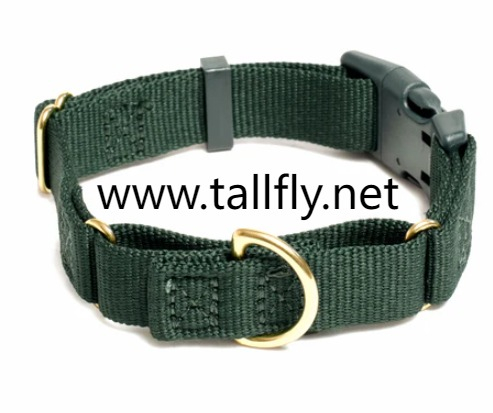
The fundamental principle governing ethical collar use in training is the concept of clear communication and positive reinforcement. The collar should serve as a safe point of connection for the leash, not as a primary correction tool. Flat collars, when used correctly, are suitable for most well-mannered dogs. They work on the premise that leash pressure provides information; when the dog moves to relieve the pressure, the behavior is often rewarded. The key is timing and consistency. However, for dogs that pull excessively, a standard flat collar can place pressure on the sensitive trachea, causing discomfort or potential injury. This is where specialized designs informed by behavioral understanding come into play. The martingale collar, for instance, is designed for dogs with heads narrower than their necks, like Greyhounds. It provides a limited, gentle tightening action when the dog pulls, preventing escape without choking, thereby using the dog's own momentum to deliver a self-correcting signal that is more intuitive and less harsh than a sudden jerk.
Other tools are designed for specific behavioral challenges. Head halters, which fit around a dog's muzzle and neck, work on the principle that where the head goes, the body follows. They provide a high degree of control with minimal force, ideal for managing strong, reactive, or excitable dogs by gently guiding their head position. However, their success depends entirely on proper introduction and positive association, as dogs can find them intrusive if forced. Another category includes front-clip harnesses, which redirect a pulling dog's energy sideways or back towards the owner, disrupting the forward-pulling behavior. The common thread among all these tools is that their effectiveness is multiplied when paired with reward-based training that teaches the dog what to do, rather than solely punishing what not to do. The collar or harness is merely the hardware; the software is the owner's knowledge and consistent, patient training.
This behavioral-centric approach directly influences manufacturing priorities. A training collar must be exceptionally reliable. Hardware like buckles and D-rings must withstand sudden, strong forces without failing. Stitching must be reinforced, and materials must be chosen for their lack of stretch under tension to ensure the signals transmitted through the leash are clear and immediate. Comfort remains paramount; a dog that is physically irritated by its collar will be distracted and less receptive to learning. Features like padded neoprene linings, rounded edges on webbing, and smooth, snag-free surfaces are not luxuries but necessities for training equipment meant for prolonged use. Manufacturers attuned to the needs of trainers and behaviorists, therefore, prioritize durability, safety, and comfort in equal measure, ensuring their products support the training process without causing aversion or harm.
Ultimately, the journey of selecting and using a dog collar is a reflection of the owner's commitment to understanding their canine companion. It involves recognizing that equipment is an extension of the handler's intent and the dog's learning capacity. The most sophisticated collar cannot replace consistent training, patience, and positive reinforcement. Its role is to facilitate clear, safe communication. For professionals and dedicated owners seeking equipment that aligns with modern, force-free training methodologies, partnering with a manufacturer that values this philosophy is essential. Such partnerships ensure access to products designed with both physical and psychological well-being in mind. To explore a selection of collars and related training tools developed with these principles, you can refer to the resources available at www.tallfly.net .