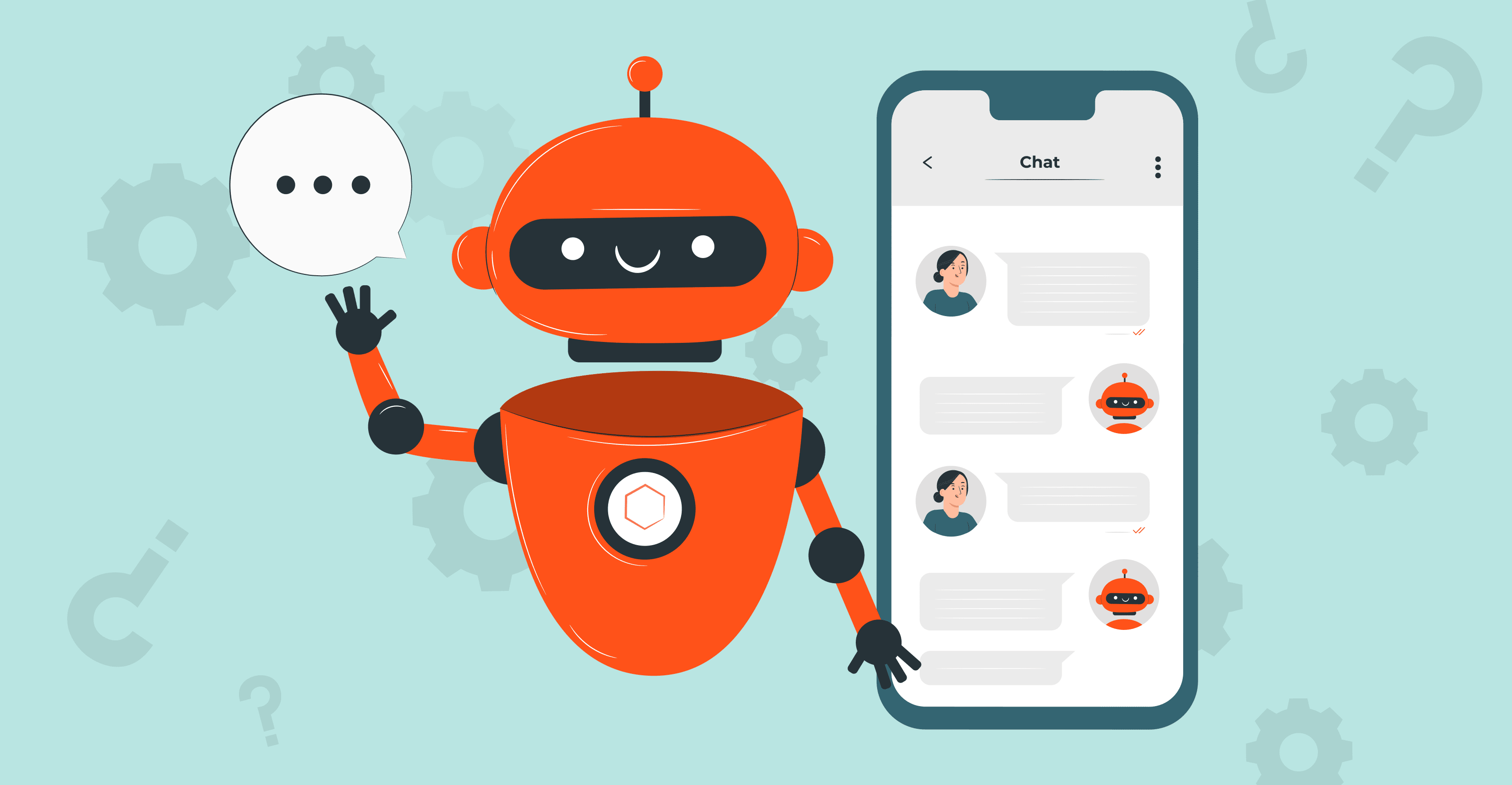
The 21st-century digital landscape is increasingly defined by the interface between humans and machines, and at the forefront of this interaction is the conversational AI that powers the global Chatbots industry. This sector has evolved dramatically from its origins of simple, rule-based scripts that offered rigid, often frustrating user experiences. Today's industry is characterized by the widespread adoption of sophisticated technologies such as Natural Language Processing (NLP), machine learning (ML), and, most recently, powerful Large Language Models (LLMs). These advancements have transformed chatbots from rudimentary FAQ machines into intelligent, conversational agents capable of understanding context, discerning user intent, and performing complex tasks across a multitude of channels. They are deployed on websites, within mobile applications, on social media messaging platforms like Facebook Messenger and WhatsApp, and increasingly as voice-activated agents in call centers and smart devices. The industry's core mission is to automate, scale, and personalize communication, providing businesses with a powerful tool to enhance customer engagement, streamline operations, and unlock new avenues for growth in a perpetually "always-on" global marketplace where instant gratification is the new standard.
The ecosystem of the chatbots industry is a complex and interconnected web of diverse players, each contributing a critical component to the overall value chain. At the top of the pyramid are the major cloud and technology giants like Google (with Dialogflow), Microsoft (with Azure Bot Service), Amazon (with Lex), and IBM (with Watson Assistant). These companies provide the foundational platforms and AI/ML frameworks that developers and businesses use to build and deploy sophisticated conversational agents. A second critical layer consists of specialized, pure-play chatbot platform providers such as Intercom, Drift, and LivePerson, who often focus on specific business use cases like customer support, sales, or marketing, offering more user-friendly interfaces and pre-built integrations. The ecosystem also includes a vibrant community of independent developers, agencies, and system integrators who design, build, and maintain custom chatbot solutions for individual clients. Finally, the end-users—businesses across every conceivable industry, from banking and healthcare to retail and travel—are the ultimate consumers of this technology, integrating chatbots into their customer service, marketing, and sales funnels to meet specific business objectives.
The application of chatbots has become pervasive, touching nearly every industry and business function. In the retail and e-commerce sector, chatbots act as personal shoppers, helping customers find products, answering questions about sizing and availability, and guiding them through the checkout process, significantly reducing cart abandonment rates. The banking and financial services industry (BFSI) uses them to provide 24/7 account support, check balances, process simple transactions, and offer personalized financial advice, all while adhering to strict security protocols. In healthcare, HIPAA-compliant chatbots are used to schedule appointments, provide medication reminders, and answer common health-related questions, helping to alleviate the administrative burden on medical staff. Internally, enterprises are deploying HR chatbots to assist employees with onboarding, answer questions about benefits and company policies, and streamline leave requests. IT helpdesk chatbots are also becoming commonplace, capable of troubleshooting common technical issues and resetting passwords, thereby freeing up human IT staff to focus on more complex problems and strategic initiatives.
In essence, the chatbots industry is fundamentally about creating scalable, efficient, and intelligent communication pathways. It represents a paradigm shift in how organizations interact with their stakeholders, moving from one-to-one or one-to-many communication models to a one-to-one-at-scale model. By automating repetitive and predictable conversations, businesses can provide instant, round-the-clock support at a fraction of the cost of human agents, leading to significant operational efficiencies. More strategically, chatbots serve as a powerful data collection tool, capturing valuable insights into customer preferences, pain points, and behavior with every interaction. This data can then be used to personalize user experiences, improve products and services, and make more informed business decisions. As the technology continues to mature, driven by advancements in generative AI, the industry is poised to move beyond simple automation and become a true partner in building deeper, more meaningful, and more valuable relationships between businesses and their customers in the digital age.
Explore More Like This in Our Regional Reports:
Asset Performance Management Market