Introduction
In today’s highly competitive B2B landscape, businesses are under increasing pressure to generate qualified leads, shorten sales cycles, and improve customer engagement. Managing these goals manually can quickly become inefficient, especially when dealing with large prospect databases and multi-channel communication strategies. This is where B2B marketing automation plays a transformative role.
Marketing automation enables businesses to streamline repetitive tasks, improve lead nurturing, and deliver personalized customer experiences at scale. More importantly, it helps organizations align marketing and sales efforts to improve overall revenue performance.
As companies increasingly embrace data-driven marketing and digital engagement strategies, marketing automation is becoming essential for businesses looking to improve sales efficiency and accelerate growth.
Understanding B2B Marketing Automation
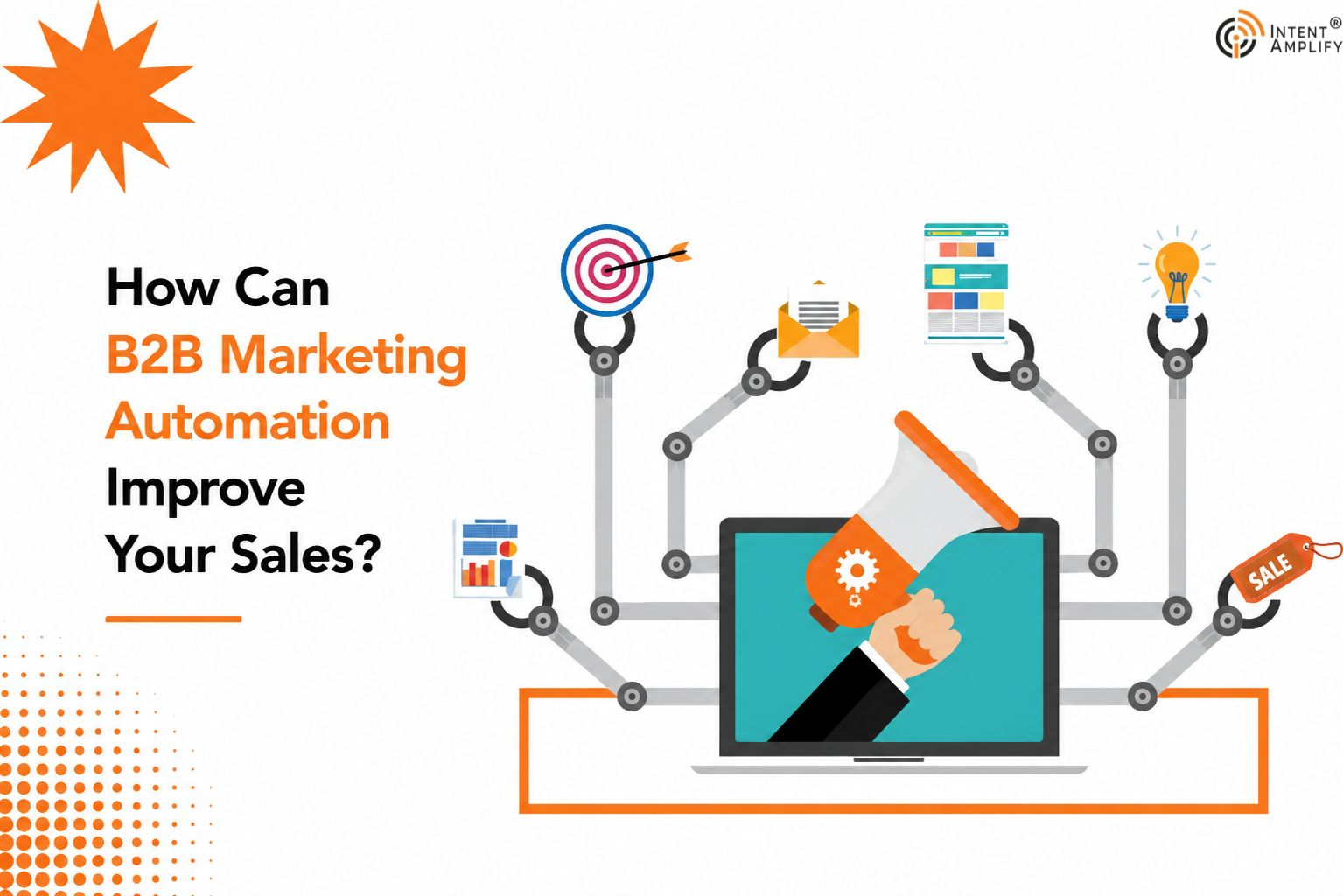
B2B marketing automation refers to the use of technology platforms to automate marketing activities, including email campaigns, lead nurturing, customer segmentation, campaign tracking, and performance analysis.
Rather than relying on manual outreach, automation tools help marketers deliver relevant content to the right audience at the right time.
Common automation capabilities include:
- Automated email workflows
- Lead scoring and qualification.
- CRM integration
- Campaign performance tracking
- Personalized content delivery
- Audience segmentation
These tools help businesses maintain consistent communication while reducing operational complexity.
How Marketing Automation Improves Sales Performance
Marketing automation directly contributes to stronger sales outcomes by improving efficiency, lead quality, and engagement.
- Improves Lead Qualification
Not all leads are ready to buy right away. Marketing automation platforms use behavioral data and engagement signals to score leads based on readiness.
This helps sales teams prioritize high-intent prospects rather than spending time on unqualified leads.
- Enhances Lead Nurturing
Many B2B purchases involve long decision-making cycles. Automated workflows allow businesses to nurture prospects through targeted emails, educational resources, and personalized content.
This keeps potential buyers engaged throughout the customer journey.
- Strengthens Sales and Marketing Alignment
Automation platforms provide both teams with shared visibility into prospect behavior, engagement history, and conversion activity.
This improves communication and ensures sales teams engage prospects at the right stage.
- Delivers Personalized Experiences at Scale
Modern buyers expect personalized interactions. Marketing automation helps companies customize messaging based on user interests, industry, behavior, and purchase stage.
- Increases Efficiency and Productivity
Automation eliminates repetitive manual tasks, allowing marketing and sales teams to focus on higher-value activities such as relationship building and strategic planning.
Key Benefits of B2B Marketing Automation
Businesses adopting marketing automation often experience measurable performance improvements.
Major benefits include:
- Higher Lead Conversion Rates
- Improved Sales Productivity
- Shorter Sales Cycles
- Better Customer Engagement
- More Accurate Lead Tracking
- Improved Campaign Performance Insights
These advantages make automation a valuable investment for businesses aiming to improve sales outcomes.
The Role of Content and Digital Marketing in Automation
Marketing automation becomes even more powerful when combined with strategic content marketing and digital marketing efforts.
Educational resources, thought leadership content, webinars, newsletters, and targeted campaigns can all be integrated into automated workflows to nurture prospects more effectively.
By consistently delivering relevant content, businesses can strengthen brand credibility while guiding prospects through the decision-making process.
Best Practices for Implementing B2B Marketing Automation
To maximize success, businesses should follow several important practices.
Align Marketing and Sales Teams
Define shared objectives and establish clear lead qualification criteria.
Segment Your Audience
Create audience groups based on behavior, industry, or interests for more targeted engagement.
Develop Valuable Content
Automation is most effective when supported by strong educational and industry-specific content.
Monitor and Optimize Campaigns
Regularly review performance metrics to improve workflows and engagement strategies.
Avoid Over-Automation
Maintain a balance between automation and human interaction to preserve authentic customer relationships.
Conclusion
B2B marketing automation has become an essential strategy for organizations seeking to improve sales performance and operational efficiency. By automating repetitive processes, improving lead nurturing, and strengthening sales alignment, businesses can create more effective customer journeys and generate stronger results.
When combined with high-quality content, digital marketing initiatives, and personalized engagement strategies, automation becomes a powerful driver of sustainable business growth.
As B2B buying journeys continue to become more complex, organizations that invest in marketing automation will be better positioned to improve lead quality, increase conversions, and build long-term customer relationships.