Introduction
India has become one of the fastest-growing manufacturing and consumer markets in the world. As product demand continues to increase across sectors such as electronics, industrial machinery, electrical equipment, construction materials, and consumer goods, the government has strengthened its regulatory framework to ensure product safety and quality. One of the most important compliance requirements for manufacturers and importers is obtaining a BIS License .
A BIS License serves as official authorization issued by the Bureau of Indian Standards (BIS), allowing manufacturers to use the prescribed BIS Standard Mark on their products after demonstrating compliance with applicable Indian Standards. For many products, a BIS License is mandatory before products can be legally manufactured, imported, distributed, or sold in India.
Whether you are a domestic manufacturer, foreign producer, importer, startup, or established enterprise, understanding the BIS License process is essential for ensuring compliance and gaining access to the Indian market.
In this comprehensive guide, we will explain everything about BIS License requirements, eligibility criteria, documentation, costs, validity, benefits, and how businesses can obtain approval efficiently.
What is a BIS License?
A BIS License is an official approval granted by the Bureau of Indian Standards to manufacturers whose products comply with relevant Indian Standards.
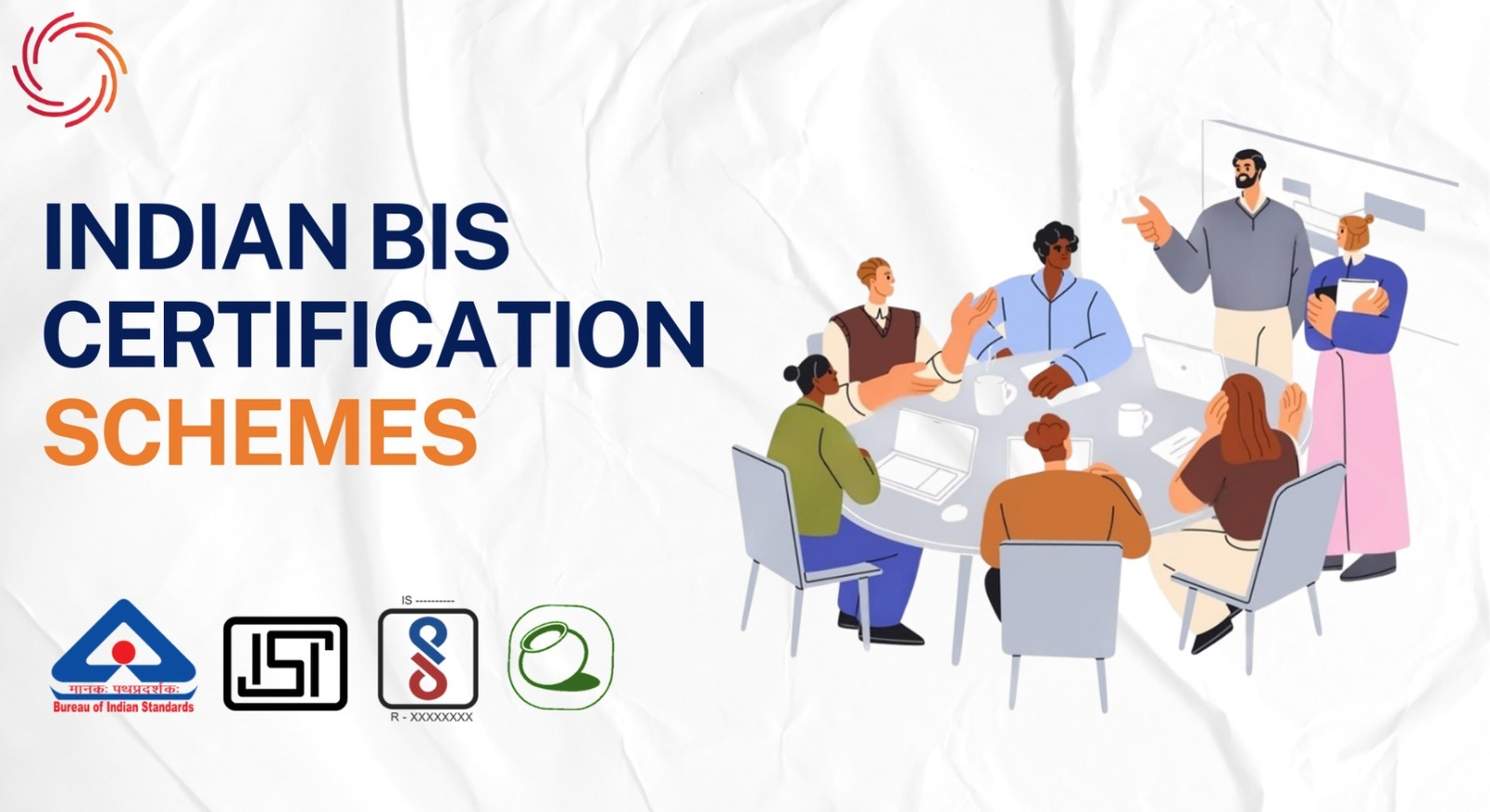
After obtaining a BIS License, manufacturers become authorized to use the applicable BIS certification mark, such as the ISI Mark or other prescribed markings depending on the certification scheme.
The BIS License confirms that:
- The product meets applicable Indian Standards.
- Manufacturing processes comply with quality requirements.
- Product safety requirements have been satisfied.
- Quality control systems are maintained consistently.
- Regulatory obligations have been fulfilled.
Simply put, a BIS License acts as a legal authorization that allows certified products to enter and remain in the Indian market.
Difference Between BIS License and BIS Certification
Many businesses use the terms BIS License and BIS Certification interchangeably, but there is a slight distinction.
BIS Certification
BIS Certification refers to the overall compliance and evaluation process that includes:
- Product testing
- Factory inspection
- Document verification
- Technical assessment
BIS License
A BIS License is the final approval issued after successful completion of the BIS Certification process.
In simple terms:
BIS Certification = Process
BIS License = Final Authorization
Both are essential components of India's product conformity assessment system.
Why is a BIS License Important?
Legal Compliance
Several products notified by the Government of India require mandatory certification before being sold in India.
Without a BIS License, businesses may face:
- Product seizure
- Import restrictions
- Financial penalties
- Market bans
- Legal action
Consumer Confidence
Consumers increasingly prefer products that comply with recognized safety and quality standards.
A BIS License demonstrates that the product has been independently evaluated and approved.
Brand Reputation
Products carrying valid certification marks often enjoy stronger consumer trust and market acceptance.
Business Expansion
A BIS License enables businesses to:
- Enter regulated markets
- Participate in government tenders
- Supply institutional buyers
- Expand distribution networks
Competitive Advantage
Certified products frequently receive preference over uncertified alternatives.
Who Needs a BIS License?
Manufacturers and importers dealing with regulated products typically require a BIS License before entering the Indian market.
Industries commonly requiring certification include:
Electrical Products
- Switches
- Cables
- Circuit breakers
- Motors
- Transformers
Electronics and IT Products
- Mobile phones
- Laptops
- LED lights
- Power adapters
- Electronic accessories
Construction Materials
- Cement
- Steel
- Pipes
- Structural materials
Household Products
- Pressure cookers
- Gas stoves
- Kitchen appliances
Industrial Products
- Pumps
- Gears
- Machinery
- Machine tools
- Cranes
- Engineering equipment
Manufacturers should always verify whether their product falls under mandatory BIS certification requirements.
Major BIS License Schemes
ISI Mark Scheme
The ISI Mark Scheme is one of the most recognized BIS licensing programs in India.
Products covered include:
- Cement
- Steel
- Household appliances
- Industrial products
- Construction materials
This scheme requires product testing and factory inspection before license approval.
Compulsory Registration Scheme (CRS)
The CRS scheme primarily covers electronics and IT products.
Examples include:
- Smartphones
- Laptops
- LED lighting
- Power banks
- Audio equipment
Under CRS, products must comply with relevant Indian Standards before registration approval.
Foreign Manufacturers Certification Scheme (FMCS)
The FMCS scheme is designed for foreign manufacturers exporting products to India.
A BIS License under FMCS allows overseas companies to legally supply regulated products within the Indian market.
Scheme X Certification
Scheme X has become increasingly important for industrial and engineering sectors.
Products commonly covered include:
- Pumps
- Transformers
- Gears
- Cranes
- Industrial machinery
- Machine tools
Businesses operating in industrial sectors should monitor Scheme X requirements closely.
Step-by-Step BIS License Process
Obtaining a BIS License involves multiple stages.
Step 1: Product Identification
The first step is identifying:
- Applicable Indian Standard
- Product category
- Certification scheme
- Regulatory obligations
Proper classification is critical for avoiding delays later in the process.
Step 2: Documentation Preparation
Manufacturers must prepare technical and regulatory documents required by BIS.
Accurate documentation significantly improves approval timelines.
Step 3: Product Testing
Product samples are tested at BIS-recognized laboratories.
Testing may include:
- Electrical safety tests
- Mechanical tests
- Performance verification
- Chemical analysis
- Environmental assessments
Testing confirms compliance with applicable Indian Standards.
Step 4: Factory Inspection
For applicable schemes, BIS officials inspect the manufacturing facility.
The inspection evaluates:
- Production processes
- Manufacturing capabilities
- Quality control systems
- Testing infrastructure
Step 5: Technical Evaluation
BIS reviews:
- Laboratory reports
- Factory audit findings
- Technical documents
- Compliance declarations
Step 6: Grant of BIS License
Upon successful review, BIS issues the BIS License and authorizes the manufacturer to use the applicable certification mark.
Documents Required for BIS License
Although requirements vary depending on the certification scheme, common documents include:
Business Documents
- Company Registration Certificate
- Manufacturing License
- GST Registration
- IEC Certificate (for importers)
Technical Documents
- Product Specifications
- Technical Drawings
- User Manuals
- Product Label Information
Quality Documents
- Quality Control Procedures
- Testing Equipment Details
- Calibration Records
- Internal Test Reports
Legal Documents
- Trademark Authorization
- Authorized Signatory Details
- Undertakings and Declarations
Complete documentation helps reduce processing delays and application rejections.
Cost of BIS License
The cost of obtaining a BIS License depends on several factors.
Key Cost Components
Application Fees
Paid at the time of submission.
Product Testing Charges
Testing costs vary depending on product complexity and laboratory requirements.
Inspection Fees
Applicable when factory audits are required.
License Fees
Paid after successful approval.
Annual Maintenance Charges
Certain schemes require ongoing surveillance and compliance monitoring.
The overall investment varies depending on product category, manufacturing location, and certification scheme.
Validity and Renewal of BIS License
A BIS License is not permanent.
The validity period depends on the applicable scheme and product category.
To maintain compliance, businesses must:
- Renew licenses before expiry
- Continue meeting quality requirements
- Cooperate with surveillance activities
- Maintain testing and quality records
Failure to renew may result in suspension or cancellation of the license.
Benefits of Obtaining a BIS License
Regulatory Compliance
The license ensures compliance with Indian regulations and standards.
Improved Market Acceptance
Certified products gain greater acceptance among distributors and consumers.
Better Business Opportunities
Many tenders and procurement contracts require certified products.
Enhanced Consumer Trust
The BIS mark acts as a symbol of safety and reliability.
Long-Term Brand Growth
Certification strengthens brand reputation and market credibility.
Easier Market Entry
For foreign manufacturers, a BIS License often serves as a mandatory market access requirement.
Common Challenges During BIS Licensing
Understanding Standards
Manufacturers often struggle to interpret technical requirements.
Documentation Complexity
Preparing accurate documents can be time-consuming.
Testing Delays
Laboratory schedules may extend approval timelines.
Regulatory Updates
Indian Standards frequently evolve, requiring ongoing compliance monitoring.
Factory Audit Preparation
Manufacturers must ensure that quality systems meet BIS expectations before inspection.
How Sun Certifications India Helps with BIS License Approval
Obtaining a BIS License can be challenging without proper technical and regulatory guidance.
Sun Certifications India provides end-to-end assistance for:
- BIS License
- BIS License
- BIS Certification
- BIS Certificate
- BIS Registration
- CRS Registration
- FMCS Certification
- Scheme X Certification
- ISI Mark Certification
Our experienced consultants help businesses with product classification, documentation preparation, laboratory coordination, application filing, compliance review, and approval management.
By leveraging our expertise, businesses can reduce delays, avoid costly mistakes, and achieve faster certification approvals.
Frequently Asked Questions (FAQs)
Is a BIS License mandatory in India?
Yes. Many products notified by the Government of India require mandatory BIS certification and licensing.
Who can apply for a BIS License?
Manufacturers, foreign manufacturers, and authorized applicants can apply depending on the certification scheme.
How long does it take to obtain a BIS License?
The timeline varies depending on product category, testing requirements, and inspection schedules. Most projects take several weeks to a few months.
Can foreign manufacturers obtain a BIS License?
Yes. Foreign manufacturers can apply through the Foreign Manufacturers Certification Scheme (FMCS).
What happens if a product is sold without a required BIS License?
The business may face penalties, product recalls, import restrictions, or legal action under applicable regulations.
Conclusion
A BIS License is one of the most important regulatory approvals required for manufacturers and importers operating in India. It demonstrates compliance with Indian Standards, strengthens consumer confidence, and enables businesses to access one of the world's largest consumer markets.
Whether you manufacture electrical products, industrial equipment, consumer goods, or electronic devices, obtaining a BIS License is essential for ensuring legal compliance and long-term business success.
By partnering with experienced consultants such as Sun Certifications India , businesses can streamline the licensing process, accelerate approvals, and maintain full compliance with Indian regulatory requirements while focusing on growth and innovation.