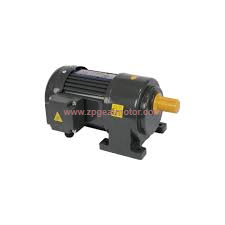
A gear motor runs happily on a horizontal base for years. The oil sits at the bottom of the gearbox. The lowest gear dips into the oil bath. Rotation splashes lubricant onto every bearing and gear tooth. This simple system works without complaint. Then an engineer mounts the same motor vertically. The output shaft points down toward the floor. The oil now pools at the bottom of the housing. The highest gears sit above the oil level. No splash reaches them. A Variable Speed Gear Motor from zpgearmotor designed for horizontal use will fail quickly in vertical orientation. The question matters for every machine builder. Does a variable speed gear motor mounted vertically require a different lubricant type or fill level than a horizontally mounted unit to ensure proper gear lubrication
The oil fill level changes completely with orientation. A horizontal gearbox has a fill plug positioned halfway up the housing. Oil added to this level covers the lower gears partially. The rotating gears pick up oil and throw it throughout the interior. A vertical gearbox cannot use the same fill level. Oil added to the halfway point reaches only the lowest components. Gears above this level run dry. The fill level must rise to cover the lowest gear teeth of the highest gear stage. This higher level submerges the lower bearings completely. Those lower bearings now churn through oil continuously. The churning creates heat and drag.
The oil type often needs to change for vertical service. Horizontal gearboxes use standard industrial gear oil with foam suppressants. The oil splashes briefly then drains back to the sump. Vertical gearboxes keep the lower bearings submerged constantly. Those bearings churn the oil into foam if the oil lacks strong anti foam properties. Foam does not lubricate. Foam overheats. A vertical motor needs oil with heavy duty foam inhibitors. Synthetic oils generally foam less than mineral oils. A vertical application often justifies the higher cost of synthetic lubricant.
The breather vent location matters for vertical mounting. Horizontal gearboxes have a breather on the top surface. This vent releases pressure and allows air to enter. A vertical gearbox turned upside down places the original top surface at the side or bottom. The breather no longer sits at the highest point. Oil leaks out through the breather. A vertical motor needs a breather relocated to the new highest point. Some gearboxes have multiple breather ports. The user opens the port at the highest position and seals the others. A gearbox without this feature cannot mount vertically without external modifications.
The input shaft seal sees different pressure in vertical mounting. Horizontal gearboxes keep the seal at the same oil level as the sump. Vertical gearboxes place the input shaft at the top of the housing. The seal sits above the oil level. No oil pressure pushes against the seal from the inside. The seal lip runs dry without the normal oil film. The lip wears quickly. Some vertical motors require a grease packed seal cavity. The grease provides lubrication that oil splash cannot supply. The maintenance schedule adds a grease replenishment task.
The output shaft seal faces the opposite problem in vertical mounting with shaft down. The seal sits below the oil level. Oil pressure from the full sump height pushes against the seal. A standard seal designed for splash lubrication may leak under this static head. The vertical motor needs a seal rated for higher pressure or a double lip design. Some manufacturers add a lip facing outward to contain the oil. The seal material must resist the different pressure condition.
The bearing selection changes for vertical operation. Horizontal gearboxes use deep groove ball bearings that handle radial loads well. Vertical gearboxes impose axial loads from the weight of the output shaft and attached equipment. A standard deep groove bearing may not handle the downward thrust. The vertical motor needs angular contact bearings or tapered roller bearings. These bearings manage axial loads without excess wear. The bearing life calculation uses different factors for vertical mounting. A motor rated for ten thousand hours horizontally may last half that time vertically without bearing changes.
The oil viscosity selection may shift for vertical service. Horizontal gearboxes rely on splash lubrication at all speeds. Vertical gearboxes with submerged lower bearings churn the oil constantly. High viscosity oil creates more churning loss and higher temperature. Lower viscosity oil reduces churning but may not provide adequate film strength for the upper gears. A vertical motor often uses one viscosity grade lower than the horizontal recommendation. The reduction balances churning loss against gear protection. The motor manufacturer provides separate viscosity charts for horizontal and vertical installation.
The oil change interval shortens for vertical gearboxes. Submerged bearings churn the oil and accelerate oxidation. The constant shear breaks down the oil additive package faster. Foam inhibitors deplete sooner than in a horizontal gearbox. A vertical motor may need oil changes twice as often as a horizontal unit. The maintenance schedule must account for the different duty cycle. A facility that changes horizontal motor oil annually should change vertical motor oil every six months.
Some gear motors include a dual position design. The manufacturer casts two fill marks into the housing. One mark for horizontal orientation. One mark for vertical orientation. The breather ports appear on multiple faces. The seal cavities include grease fittings. These motors cost more but accept any mounting position without modification. A customer who orders a standard horizontal motor and mounts it vertically voids the warranty. The failure appears as a lubrication problem. The root cause is orientation.
For a Variable Speed Gear Motor designed to handle both horizontal and vertical mounting positions, visit https://www.zpgearmotor.com/. That catalog shows gearboxes with multiple fill level marks, relocated breather ports, and upgraded seals for vertical service. The right lubricant and fill level keep gears protected in any orientation. A motor installed vertically without proper oil changes runs toward an early failure. The difference between horizontal and vertical lubrication is not small. It determines whether the gearbox lasts ten years or ten months.