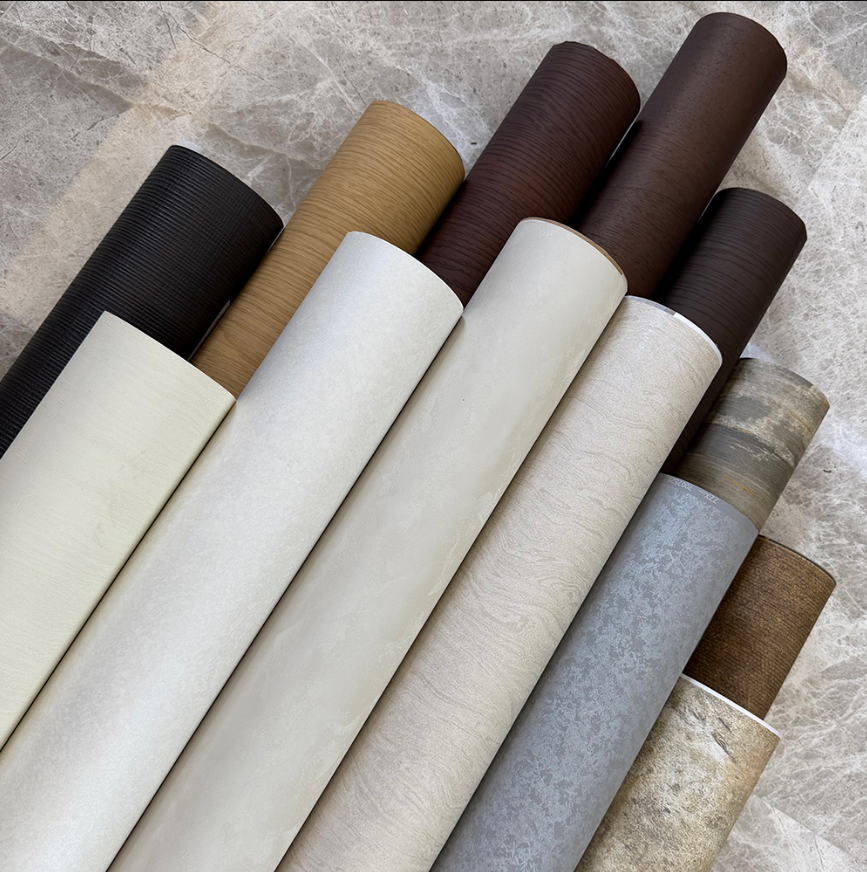
Interior design continues to evolve as homeowners, architects, and commercial developers look for materials that combine visual appeal with practical performance. Door surfaces are no longer limited to painted finishes or natural veneers. Decorative film for doors has become a flexible solution that supports a wide range of design concepts while helping manufacturers simplify production and maintenance.
Modern decorative films are available in wood textures, stone patterns, metallic finishes, fabric effects, and solid colors. These options allow designers to coordinate doors with furniture, wall panels, cabinetry, and flooring without relying on multiple finishing materials. At the same time, advances in film technology have improved scratch resistance, color stability, and processing efficiency.
Design Freedom Across Different Styles
A significant advantage of decorative film for doors is the ability to adapt to different interior styles.
Common decorative patterns include:
Oak and walnut wood grains.
Ash and maple textures.
Concrete-inspired finishes.
Marble effects.
Linen patterns.
Brushed metal appearances.
Matte monochrome colors.
Soft-touch surfaces.
Embossing technology creates texture that complements the printed design. Rather than producing a completely flat appearance, embossed films add depth that can resemble natural materials.
Surface options generally include matte, satin, glossy, embossed, and soft-touch finishes, allowing designers to select the appropriate appearance for different projects.
Technical Specifications Support Custom Designs
Appearance is only one factor during material selection. Decorative films must also perform well during manufacturing and daily use.
Typical technical parameters include:
Film thickness:
0.12 mm to 0.50 mm.
Common width:
1220 mm to 1420 mm.
Elongation:
150% or higher for profile wrapping and vacuum forming.
Surface gloss:
Matte, satin, or glossy depending on project requirements.
Temperature resistance:
Up to approximately 80°C for interior applications.
UV performance:
Grade 4 or above for quality decorative films.
Scratch resistance:
Protective coatings improve wear resistance in frequently used spaces.
These specifications help manufacturers select films suitable for flat panels as well as profiled decorative doors.
Supporting Modern Manufacturing
Door production increasingly depends on efficient manufacturing methods.
Decorative film for doors is compatible with several industrial processes.
Vacuum membrane pressing allows films to conform to raised panels and decorative grooves.
Flat lamination creates smooth surfaces for contemporary minimalist designs.
Profile wrapping covers edges and long components with consistent appearance.
Glue coating systems support selected production requirements.
Compatible substrates often include:
MDF.
HDF.
Particle board.
PVC profiles.
WPC boards.
Plywood.
Composite materials.
Production flexibility allows manufacturers to offer numerous decorative options while maintaining streamlined operations.
Matching Complete Interior Projects
Large residential and commercial developments often require visual consistency across many building components.
A decorative film for doors can coordinate with:
Kitchen cabinets.
Wardrobes.
Wall panels.
Reception desks.
Office furniture.
Skirting boards.
Window trims.
Storage systems.
Using similar decorative surfaces throughout an interior creates a unified appearance and simplifies design planning.
Wood grain patterns remain a popular choice because they combine traditional character with modern manufacturing consistency.
Durability for High-Traffic Areas
Door surfaces encounter repeated contact throughout their service life.
Common sources of wear include:
Hand contact.
Cleaning operations.
Moving furniture.
Children's activities.
Office equipment.
General daily traffic.
Protective top coatings help reduce visible scratches and stains. Matte and embossed finishes can also reduce the visibility of fingerprints and minor abrasions.
Routine maintenance usually involves mild cleaning products and soft cloths without requiring specialized treatments.
Customization Opportunities
Digital printing and advanced gravure printing technologies have expanded design possibilities.
Manufacturers can develop:
Custom wood grains.
Project-specific colors.
Corporate branding elements.
Hotel interior collections.
Retail concepts.
Decorative geometric patterns.
Unique textures.
This flexibility supports architectural projects where standard finishes may not meet design objectives.
Shorter production cycles also allow designers to respond to changing market preferences.
Environmental Considerations
Renovation projects increasingly focus on extending the useful life of existing materials.
Applying decorative film to suitable door substrates may reduce replacement requirements during refurbishment projects.
Long-lasting surfaces can also reduce maintenance frequency and associated material consumption.
Many manufacturers continue developing lower-emission coatings and improved production methods to support evolving environmental expectations.
Trends Influencing Future Door Designs
Several design directions are shaping decorative surface materials.
Popular trends include:
Ultra-matte finishes.
Natural wood textures.
Warm neutral colors.
Anti-fingerprint coatings.
Soft-touch surfaces.
Low-gloss metallic effects.
Digital customization.
Improved scratch-resistant coatings.
As architectural preferences continue to change, decorative films provide manufacturers and designers with adaptable solutions that combine appearance and functionality.
Decorative film for doors has developed into more than a decorative covering. By integrating advanced printing, protective coatings, flexible polymer structures, and industrial processing compatibility, it offers an effective way to create customized door surfaces for residential and commercial interiors. A thoughtful balance of design, technical performance, and manufacturing efficiency makes decorative films an increasingly practical material for modern construction and renovation projects.