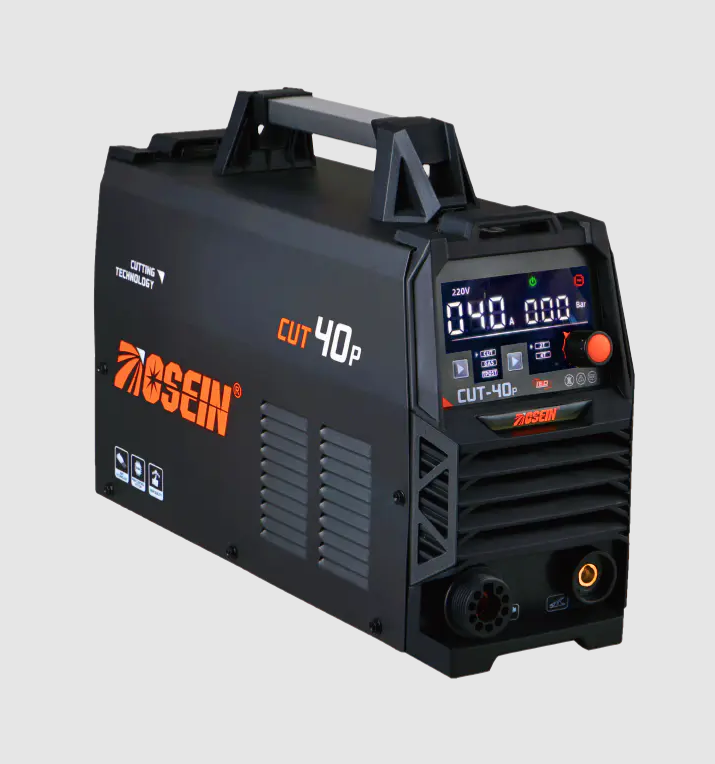
Production efficiency has become a major consideration for fabrication workshops, steel processing facilities, and equipment manufacturers. Beyond cutting speed alone, operating expenses such as consumable replacement, maintenance downtime, energy consumption, and labor requirements directly influence manufacturing costs. A Non-Touch Plasma Cutting Machine offers several practical advantages that help improve cost control while maintaining consistent cutting performance.
Plasma cutting relies on a high-temperature ionized gas stream to melt conductive metals and remove molten material from the cutting path. Modern non-contact pilot arc technology allows arc initiation without the torch physically touching the workpiece, reducing mechanical wear and improving repeated cutting cycles. This approach is particularly valuable for CNC production systems.
A typical industrial Non-Touch Plasma Cutting Machine may include the following operating specifications:
Input voltage: 220V or 380V
Output current: 40A–200A
Duty cycle: 60%–100%
Air pressure: 0.5–0.7 MPa
Pilot arc ignition: non-contact
Recommended cutting thickness:
Carbon steel: 1–50 mm
Stainless steel: 1–30 mm
Aluminum: 1–25 mm
Consumable life is one of the primary cost factors. Electrodes and nozzles gradually wear during arc starting and cutting operations. Traditional contact-start systems may accelerate this wear because the torch physically interacts with the workpiece. A Non-Touch Plasma Cutting Machine reduces direct mechanical impact, extending the service life of critical components.
Another factor affecting production expenses is cutting speed. Higher travel speeds reduce machine occupancy time, allowing additional parts to be processed during each production shift. Carbon steel sheets between 3 mm and 12 mm can often be processed at speeds ranging from 1500 to 5000 mm/min depending on material thickness and amperage settings.
Material utilization also influences manufacturing costs. CNC nesting software combined with plasma cutting minimizes scrap generation by arranging components efficiently across the metal sheet. Consistent arc stability contributes to maintaining accurate kerf widths, simplifying dimensional compensation during programming.
Energy efficiency has improved significantly with inverter technology. Modern plasma power supplies convert electrical energy more effectively than older transformer designs. Stable current output reduces fluctuations that may otherwise affect cut quality and increase energy consumption.
Maintenance planning benefits from non-contact ignition as well. Production interruptions caused by damaged nozzles, torch collisions, or inconsistent arc starts can reduce workshop productivity. By decreasing the frequency of these issues, operators spend less time replacing consumables and recalibrating equipment.
Compressed air quality should not be ignored. Dry, filtered air improves arc stability and prevents contamination inside the torch assembly. Many industrial installations include refrigerated dryers, water separators, and particulate filters to maintain reliable performance.
A Non-Touch Plasma Cutting Machine is widely used in industries such as:
Structural steel fabrication
Agricultural machinery
Construction equipment
Metal furniture manufacturing
Pipeline component production
Trailer and truck body fabrication
Automation further contributes to cost reduction. CNC-controlled systems can operate through long production cycles with limited manual intervention. Operators focus on loading material, preparing cutting programs, and conducting routine inspections rather than manually guiding the torch.
Compared with several other thermal cutting methods, plasma technology provides a practical balance between cutting speed, investment cost, and versatility for conductive metals. Medium-thickness steel plates especially benefit from this balance.
A well-maintained Non-Touch Plasma Cutting Machine combines stable arc initiation, reduced consumable wear, improved automation compatibility, and predictable operating expenses. These characteristics make it a practical solution for workshops seeking steady productivity and long-term manufacturing efficiency.