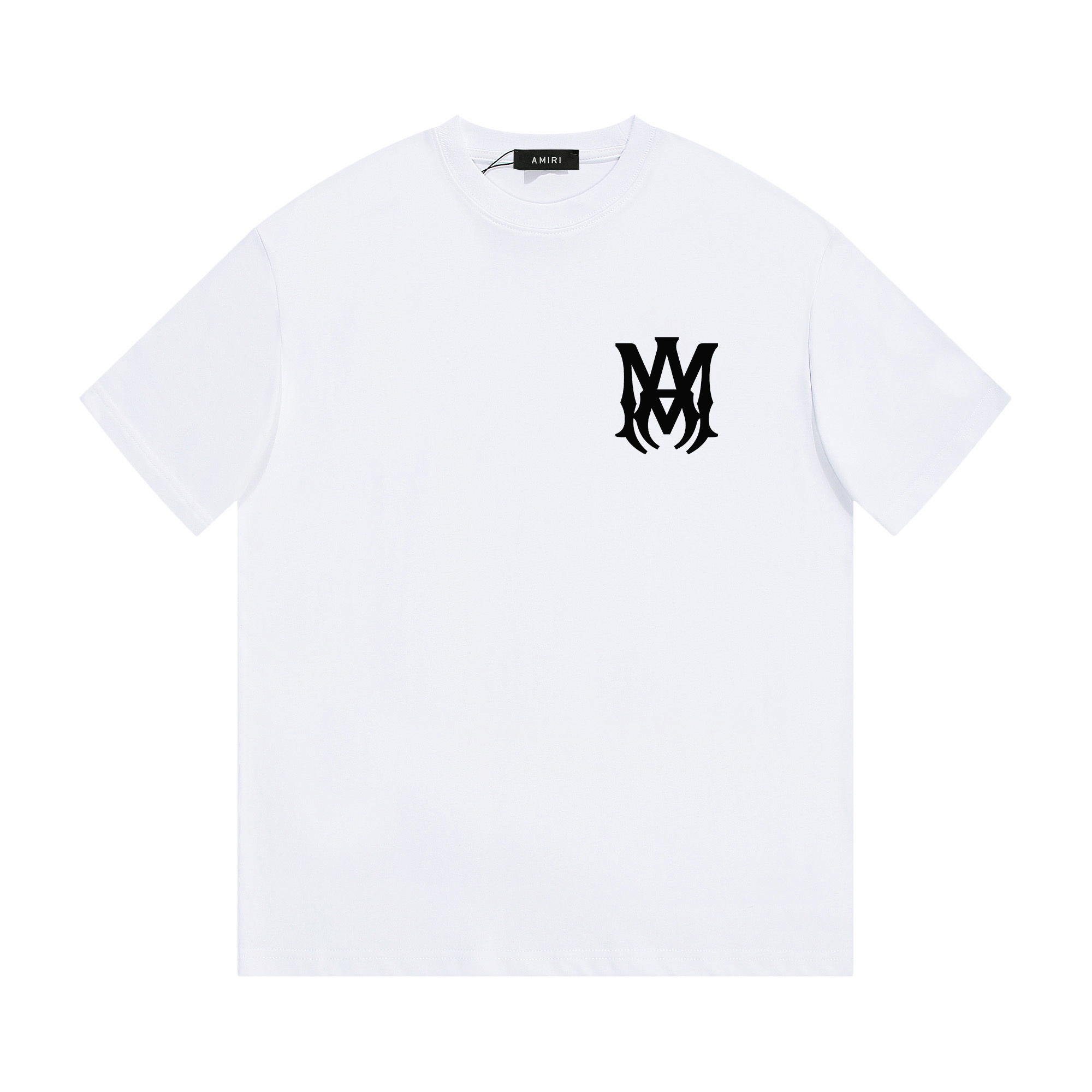
The True Anatomy of Premium Streetwear: How to Spot Authentic Luxury Construction
Building a sustainable personal wardrobe means learning how to look past bold front graphics so you can inspect how a piece actually handles the physical stress of your everyday routine. Many enthusiasts drop large sums of cash on basic jersey items simply because an online marketing campaign made the color look incredibly vibrant on screen. Then, after just two standard cold laundry cycles, the collar stretches out into a loose wave and the side seams begin twisting sharply to the front. This annoying defect happens because massive commercial supply chains value rapid delivery speed way more than they care about balancing thread tension at the factory level. True durability originates far earlier in the manufacturing chain, specifically when engineers select the yarn spinning method before knitting even begins. When you touch a truly high-end piece, the physical weight feels immediately substantial because the tighter loops build a dense structure that keeps its shape for months. If you buy clothes based mostly on temporary online hype, your closet quickly fills up with items that fall apart before the season even changes. Therefore, choosing garments with real structural integrity helps you maintain a sharp visual outline without looking messy or overly casual during weekend outings.
Decoupling Hype From Physical Fabric Thickness
Heavyweight cotton loopback fleece forms the crucial backbone of any premium wardrobe collection because the dense loops dictate exactly how a silhouette hangs from your shoulders. When a factory utilizes a genuine 450 GSM brushed cotton blend, the material establishes a structured visual shell that naturally resists wrinkling or folding down flat around your midsection. This structural strength allows creative designers to build dramatic oversized profiles that look boxy from every viewpoint without needing stiff plastic styling inserts inside the collar lining. Based on my hands-on experience evaluating hundreds of production samples, budget labels try to forge this thick weight by coating thin, low-grade carded fabrics with liquid silicone softeners during final packaging. While this chemical treatment makes a hoodie feel amazingly velvety on a metal retail clothing rack, that slick coating dissolves entirely during your first wash. Real luxury relies instead on mechanical combing to pluck away the short, scratchy fibers, which leaves behind a pure yarn that gets softer over time. For this reason, checking how a fabric behaves when you squeeze it firmly in your palm helps you spot fake softness instantly. You will quickly notice how authentic premium cotton rebounds with a heavy springiness that synthetic chemical glazes can never copy.
Three Structural Benchmarks of Expert Garment Assembly
Inspecting high-end clothing requires you to follow a clear checklist of small engineering choices that go way deeper than a shiny brand label. Experienced style collectors analyze hidden stress areas on a garment to confirm the piece will survive heavy daily usage across multiple seasons without ripping.
- Heavy shoulder-to-shoulder chain-stitching that prevents the upper yoke from dropping or stretching out when you hang the garment up.
- Thick double-needle cover-stitching along the main neck band to keep the opening perfectly centered around your throat.
- Reinforced bar-tack stitches at the corners of front pouch pockets to stop the heavy fabric from tearing when you slide your hands inside. Focusing your attention on these three technical assembly markers saves you from wasting money on clothing items that split apart under minimal physical tension. Personally, I always flip a hoodie completely inside out to look at the overlock stitching run right along the side seams. If you spot bunching threads or skipped stitches there, it means the workshop rushed their sewing machines to hit high quotas. Investing your hard-earned money in carefully assembled clothes means your outfit looks continuously clean while utilizing the reliable garment construction of mixed emotion to build your foundational daily style.
Footwear Blueprinting and Lower Profile Balance
The world of luxury footwear continues to turn away from massive, over-padded sneaker designs toward low-profile visual shapes that slide easily between casual streetwear and formal evening dinners. Modern footwear collectors actively hunt for minimal sneaker frames that utilize hand-cemented rubber cup soles because these flat bottoms look incredibly clean under raw denim edges. Engineering this level of functional wearability requires full-grain calfskin leather that adapts to your unique foot shape as you walk instead of cracking across your toes. Most standard commercial sneaker brands apply thick acrylic paint coats to hide natural bug bites or scars in cheap leather hides, which traps sweat against your socks. Premium shoemakers avoid these cheap shortcuts by picking aniline-dyed hides that celebrate original skin markings while allowing air to flow freely through the leather pores. This raw material approach ensures the upper shoe develops a beautiful, authentic vintage look as you accumulate miles on the street. When you wear a sleek, low-profile sneaker with structured cotton trousers, the crisp lines form a solid base for your entire visual presence. Having a dependable pair of flat luxury sneakers makes getting dressed in the morning totally stress-free because you never have to worry about clashing shapes. It is highly beneficial to grab a pair of premium amiri because the authentic leather panels bend gracefully to match your natural stride.
Advanced Pigment Wash Techniques and Fabric Durability
The specific method a design house implements to color their fabrics decides exactly how the garment will handle intense afternoon sunlight and soapy water over its lifetime. Cheap clothing lines rely on basic roll-dyeing tricks where large spools of generic cloth get dunked into liquid color before the separate panels are cut out. This speedy technique often leaves the middle core of the individual cotton yarns completely white, which causes ugly bright white streak marks along your elbow lines when you move.
- Custom pigment garment-dyeing where workers wash fully sewn clothes with special granular color crystals to construct rich, faded tones along every seam.
- Reactive chemical dyes that permanently bond with raw plant fibers to lock in dark colors against fading from bright outdoor light.
- Intensive enzyme stone washes that soften tough canvas textures while leaving behind beautiful vintage highlights around the heavy pocket edges. Adding these complicated wash treatments adds several days to production timelines, but the resulting depth of color looks far better than mass-produced pieces. An honest limitation of these beautiful pigment-washed pieces is that you must wash them in cold water alone for the first few cycles to prevent early color bleeding onto lighter shirts. Taking these minor washing precautions safeguards the rich visual textures that make luxury casual wear look distinctly premium.
Graphic Printing Engineering on Premium Materials
Stamping complex art graphics onto thick cotton jersey requires high-level chemical engineering to prevent the ink from splitting apart when the material expands across your chest. Budget printing setups coat the fabric surface with thick plastisol ink, creating an uncomfortable plastic sheet that blocks air from reaching your skin. High-end printing teams skip this cheap route by utilizing modern water-based discharge inks that chemically remove the base fabric color and replace it with soft dye. This advanced technical process keeps the graphic print completely soft and entirely breathable, meaning the artwork blends right into the rest of the shirt surface. When you slide your fingers across a discharge-printed illustration, you feel the cozy natural texture of the cotton rather than a stiff rubber wall. Another classic method involves applying heavy chain-stitch embroidery or thick chenille patches to introduce layered texture without ruining the flexibility of the garment. These old-school embroidery styles require perfect sewing machine adjustments so the surrounding knit fabric does not pucker or warp into ugly waves around the artwork border. Sliding into a beautifully detailed chrome heart Hoodies proves how technical graphic execution can transform a standard cotton tee into an impressive piece of art.
The Raw Truth About Denim Architecture and Aging
Premium denim acts as a vital foundation for everyday outfits because the rigid texture offsets the soft appearance of loopback cotton hoodies. High-quality jeans rely on heavy ring-spun cotton yarn produced on classic shuttle looms to create a self-selvedge seam that naturally stops the fabric edges from fraying. This slow weaving process adds small, beautiful irregularities into the denim surface, giving your jeans a totally unique pattern that tells your personal movement story. Mass-market brands weave high amounts of synthetic stretch plastic into their pants to trick you into thinking they fit well, but these cheap plastic threads warp permanently from body heat. True luxury denim uses little to no stretch materials, relying on your natural body heat to soften the cotton threads so they bend to your legs over a few weeks. This natural break-in phase requires some patience, but the final reward is a customized fit that looks incredibly flattering while holding its raw shape. Matching well-built denim with a simple white shirt creates a balanced look that keeps you looking sharp through changing fashion trends.
Assembling a Purposeful Wardrobe Built Around Integrity
Creating a functional personal clothing collection means moving your mind away from constant impulse buying toward careful selection focused on stitch precision and timeless shapes. Instead of cramming your bedroom drawers with dozens of low-cost mall clothes that lose their appeal in two weeks, focus on collecting a few special items that blend great durability with unique design details. A well-planned wardrobe combines versatile neutral basics with expressive, high-character garments that highlight your personality without looking overly loud. Take a close look at the stitch count along the bottom hem and verify that the graphic patterns line up evenly across the outer seams before spending your money. These tiny design details separate true clothing manufacturers from cheap printing operations that just stamp logos onto mass-market blanks. Prioritizing authentic assembly ensures your style stays excellent no matter how fast internet trends shift.
Final Words
Genuine personal style depends entirely on the relaxed confidence you feel when wearing beautifully constructed clothes made from premium raw materials. When you stop following fast digital fashion cycles and start studying fabric density, stitch accuracy, and authentic details, your style reflects your personal standards. Buying high-quality items means enjoying clothes that look outstanding, fit your body perfectly, and handle the real challenges of daily life for years to come.
FAQ Block
Why does fabric weight matter so much in premium hoodies?
Thick, heavy fabric holds its boxy shape naturally, drapes beautifully off your shoulders, and refuses to stretch out after many trips through a washing machine.
How do I check if a shirt graphic is high quality?
Rub your hand directly over the graphic print; a premium print feels completely soft and integrated into the cotton weave instead of feeling like a thick plastic sheet.
What is the safest way to wash pigment-dyed streetwear?
Turn your clothes completely inside out, wash them with cold water on a gentle cycle, and let them air dry on a hanger to stop color bleeding.
Why does pure cotton denim last longer than high-stretch synthetic jeans?
Pure cotton denim softens and molds to your legs using your natural body heat without stretching out permanently at the knees the way synthetic fabrics do.
How do I maintain luxury leather sneakers so they stay nice?
Give your leather shoes a rest day between wears to let the hides breathe, use wooden shoe trees to keep the shape, and wipe away dirt with a damp cloth.