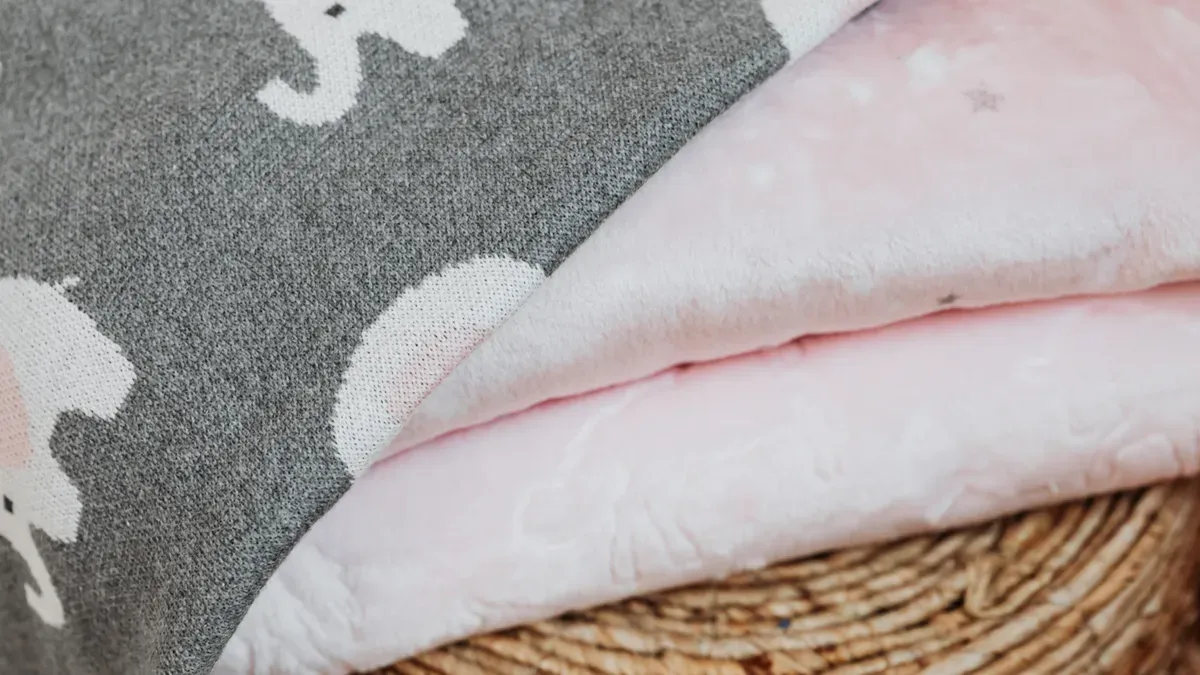
You want your newborn to be warm and safe. Picking a safe Cotton Baby Blanket keeps your baby away from dangers like positional asphyxia. Every year, experts look at cases about unsafe blankets:
-
12 babies died after being wrapped in regular blankets.
-
8 deaths and 10 injuries happened with swaddle wraps.
Your smart choice can help keep your baby safe.
Key Takeaways
-
Pick cotton or muslin blankets. These keep your baby cool and comfy. Breathable fabrics stop your baby from getting too hot.
-
Always pick blankets made from hypoallergenic and chemical-free materials. This keeps your baby's sensitive skin safe from irritation.
-
Do not use loose blankets for babies under one year. Use sleep sacks or wearable blankets instead. This keeps your baby safe while sleeping.
What Makes a Cotton Baby Blanket Safe
Key Safety Criteria
When you choose a cotton baby blanket, you want to make sure it meets important safety standards. A safe blanket protects your baby from harm and helps you feel confident at bedtime. Here are the main things you should look for:
-
Non-toxic materials: Pick a blanket made from pure cotton. This keeps harsh chemicals and synthetic dyes away from your baby's sensitive skin.
-
Breathable fabric: Cotton lets air flow through the blanket. This helps prevent overheating and keeps your baby comfortable.
-
Hypoallergenic properties: Babies have delicate skin. A hypoallergenic cotton baby blanket lowers the chance of rashes or allergies.
-
Proper size and weight: The blanket should fit your baby's crib or bassinet without hanging over the sides. A lightweight design makes it easier for your baby to move and breathe.
-
Safe stitching: Check for strong seams and no loose threads. This reduces the risk of choking or tangling.
-
No small parts: Avoid blankets with buttons, beads, or decorations that could come off and become a hazard.
Tip: The American Academy of Pediatrics recommends that you keep loose bedding out of your baby's crib for the first year. Always place your infant on their back to sleep, and use a firm, flat mattress with no extra items.
Common Risks to Avoid
Some blankets can put your baby at risk. You can keep your baby safe by knowing what to avoid:
-
Loose threads or holes: These can wrap around tiny fingers or toes, or even become a choking hazard if they come off.
-
Rough or synthetic fabrics: These may cause skin irritation or rashes. Stick with soft, natural cotton for comfort and safety.
-
Non-breathable materials: Blankets that do not allow air to pass through can trap heat. Overheating is a serious risk for babies and can lead to sudden infant death syndrome (SIDS).
-
Loose blankets in the crib: A loose blanket can cover your baby's face and block their breathing. Babies cannot always move a blanket away if it slips over their nose or mouth.
-
Allergens: Some blankets use materials that can trigger allergies. Choose a hypoallergenic cotton baby blanket to lower this risk.
You can follow these steps to keep your baby safe:
-
Do not use loose blankets for babies under 12 months.
-
Try a wearable blanket or sleep sack instead of a loose blanket.
-
Keep your baby's room at a comfortable temperature, between 68 and 72°F.
Note: Always check your baby's blanket for damage before each use. Safety should always come first when you pick out bedding for your child.
Best Materials for Baby Blankets
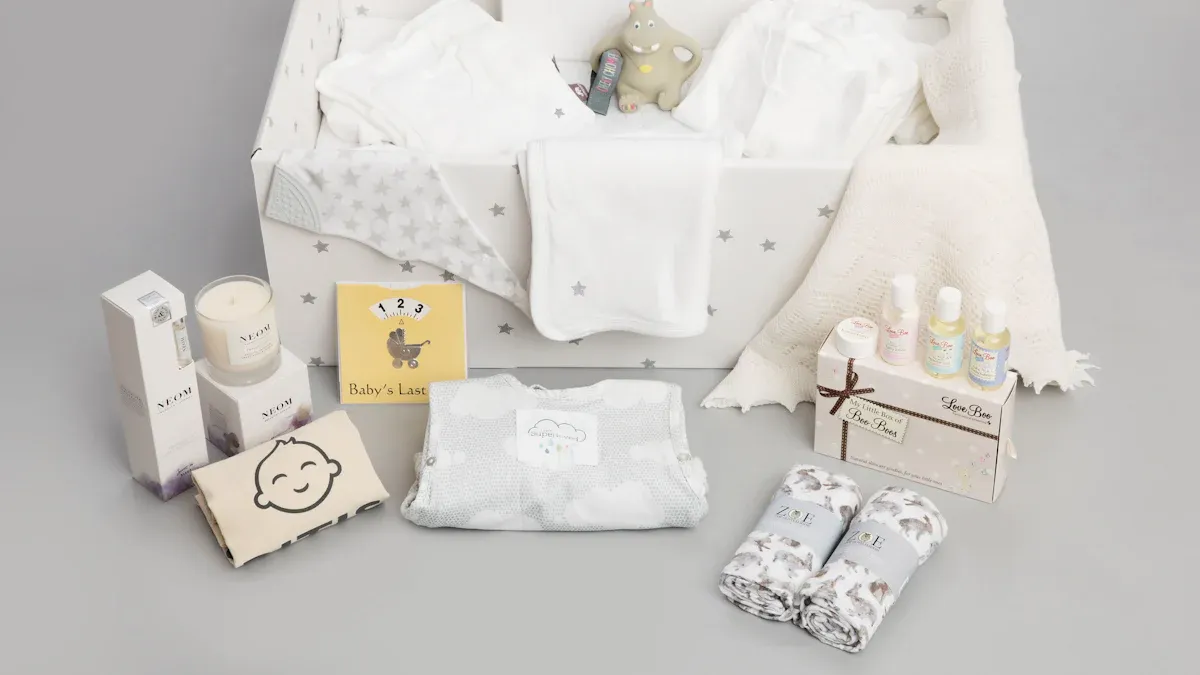
Picking the right material for your baby's blanket is important. It affects how comfortable and safe your baby feels. You want a fabric that is soft and keeps your baby cool. It should also protect your baby's sensitive skin. Here is a simple table that compares popular choices:
| Feature | Organic Cotton Muslin | Bamboo Blends | Regular Cotton |
|---|---|---|---|
| Breathability | Excellent | Moderate | Good |
| Hypoallergenic | Excellent | Good | Moderate |
| Softness | Ultra-soft | Soft | Soft |
| Temperature Regulation | Excellent | Moderate | Poor |
Organic Cotton Muslin
Organic cotton muslin has a loose weave. This lets air move through the blanket easily. It helps stop your baby from getting too hot. The fabric feels very soft and gets softer after washing. It is gentle on skin because it does not have harsh chemicals. Many parents pick organic cotton muslin for its hypoallergenic features and natural comfort.
Bamboo and Cotton Blends
Bamboo and cotton blends feel smooth and gentle. These fabrics are hypoallergenic, so they are safe for sensitive skin. Bamboo keeps away mold, mildew, and dust mites. It also fights germs with antimicrobial properties. These blends pull moisture away and help control temperature. This keeps your baby comfortable while sleeping.
-
Bamboo-cotton blends are soft and gentle.
-
They help keep moisture away and control heat.
-
Bamboo's antimicrobial feature helps stop skin irritation.
Why Cotton Is Popular
Cotton is a favorite for parents and doctors. It is soft and lets air flow, so your baby stays cool. Cotton is easy to wash, which helps busy parents. You can use a cotton baby blanket for swaddling, tummy time, or as a stroller cover. This material gives warmth and breathability, making it great for daily use.
Tip: Always pick gentle, high-quality materials for your baby's blanket. This protects delicate skin and helps your baby sleep safely and comfortably.
Key Safety Features to Look For
Breathability and Lightweight Design
You want your baby to be safe and comfortable. Cotton baby blankets made with breathable fabric help stop overheating. Muslin cotton blankets have tiny holes that let air move through. This helps keep your baby cool and lowers the chance of suffocation. Lightweight blankets are simple to use and good for swaddling or covering a stroller.
-
Muslin cotton blankets feel soft and can be used in many ways.
-
The open weave lets air pass through and helps control heat.
-
Light blankets are easy to handle.
Tip: Sleep sacks are a smart pick. They keep your baby's face clear and help keep the right temperature.
Hypoallergenic and Chemical-Free
Blankets should protect your baby's sensitive skin. Organic cotton and bamboo are gentle and do not have chemicals. These materials do not use pesticides or fake fertilizers, so they are safe for babies.
| Material | Hypoallergenic | Chemical-Free | Durability |
|---|---|---|---|
| Organic Cotton | Yes | Yes | High |
| Bamboo | Yes | Mostly | Moderate |
Proper Size and Edging
Blankets need to fit your baby well. Receiving blankets are about 30 by 30 inches. Swaddle blankets should wrap your baby without extra cloth. Safe edges mean strong seams and no loose threads.
| Blanket Type | Recommended Size | Safety Considerations |
|---|---|---|
| Receiving Blanket | 30 x 30 inches | Use breathable materials; avoid loose bedding. |
| Swaddle Blanket | Large enough to wrap securely | No excess fabric to prevent suffocation risks. |
Safety Certifications
You should pick blankets with trusted labels. Look for OEKO-TEX, GOTS, and BSCI tags. These show the blanket has no bad chemicals and was made the right way.
| Certification | Purpose |
|---|---|
| OEKO-TEX | Makes sure there are no harmful chemicals in the fabric. |
| GOTS | Shows organic fabrics meet good rules for the planet and people. |
| BSCI | Means the blanket was made fairly and safely. |
Practical Tips for Safe Blanket Use
Age-Appropriate Blanket Types
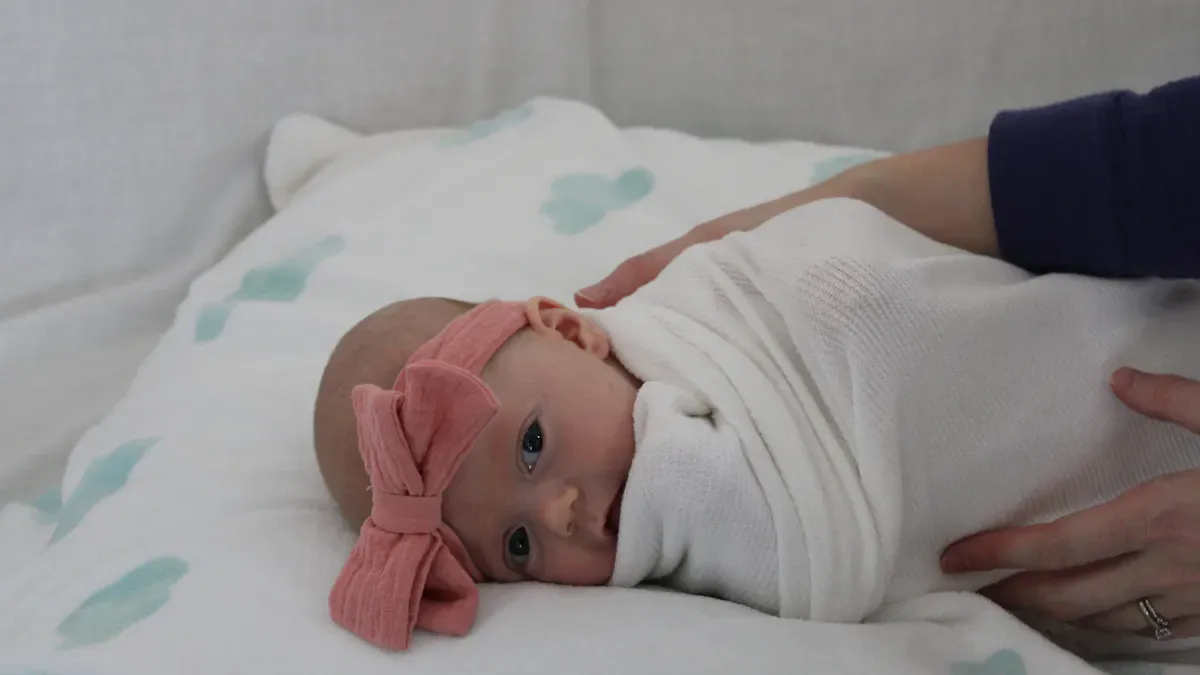
When choosing a baby blanket, you need to match the blanket type to your baby's age. Swaddling works well for newborns who cannot roll over. Swaddling keeps your baby snug and reduces the risk of suffocation. Once your baby starts to roll, usually around two months, you should stop swaddling. Babies under 12 months should not have loose blankets in their crib. You can use a sleep sack or wearable blanket instead. Always place your baby on their back for sleep.
-
Swaddling is safe for newborns who do not roll.
-
Stop swaddling when your baby tries to roll.
-
Keep cribs free of loose blankets and toys until your baby turns one.
Safe Sleep and Room Temperature
You want your baby's sleep space to be safe and comfortable. Keep the nursery well-ventilated to support healthy breathing. Use a firm, flat mattress with no soft objects. Maintain a room temperature between 68 and 72°F. This range prevents overheating, which lowers the risk of SIDS. Choose non-toxic furniture and make sure the environment is childproofed.
Tip: Always keep the blanket away from your baby's face and head to prevent suffocation.
Washing and Care Tips
Proper care keeps your cotton baby blanket clean and safe. Wash blankets in cold or slightly warm water to prevent shrinking and fading. Use gentle detergent and avoid bleach or fabric softeners. Lay blankets flat to dry or tumble dry on the lowest heat setting. Inspect blankets often for frayed edges, loose threads, or holes. Clean blankets regularly to remove germs and allergens.
| Care Step | Recommendation |
|---|---|
| Washing | Cold or warm water, gentle cycle |
| Drying | Air dry or low heat tumble |
| Detergent | Gentle, no bleach or softener |
| Inspection | Check for damage before use |
You protect your baby by following these steps. Cotton offers softness and breathability, making it a smart choice for your baby's bedding.
Quick Checklist for Parents
You want to make sure your baby’s blanket is safe and comfortable. Use this checklist to guide your choice:
-
Choose a blanket made from breathable cotton. This helps air flow and keeps your baby cool.
-
Look for smooth edges and secure stitching. Strong seams prevent threads from coming loose.
-
Avoid blankets with decorative fringe, tassels, or ribbons. These can detach or tangle around tiny fingers.
-
Pick a blanket with an even knit. This reduces the chance of snagging and keeps the fabric strong.
-
Make sure the blanket is free from toxic dyes and flame retardants. These chemicals can harm sensitive skin.
-
Select a blanket that feels soft. Rough materials may cause irritation or rashes.
-
Check for durability. The blanket should withstand washing without shedding or fraying.
-
Inspect the blanket before each use. Look for loose threads or elements that could catch on your baby’s fingers.
Tip: Adjust the thickness of the blanket based on the season. Use lightweight muslin in warm weather. Layer with a slightly thicker cotton blanket during cooler months. Avoid heavy synthetic fleece blankets, which can trap heat.
You can follow this checklist every time you buy or use a cotton baby blanket. This helps you keep your newborn safe and comfortable.
-
Pick cotton or muslin blankets so your baby stays cool.
-
Make sure the blanket fits well and is not too big.
-
Do not use loose blankets for babies under one year.
-
Find blankets made from hypoallergenic and chemical-free materials.
-
Check for safety certifications before buying.
Your newborn feels safe and comfy with soft, good blankets.
FAQ
Can you use cotton blankets for newborns in summer?
Cotton blankets keep your baby cool. Choose lightweight muslin. Avoid thick blankets. Muslin lets air flow and prevents overheating.
How often should you wash a cotton baby blanket?
You should wash the blanket every few days. Use gentle detergent. Inspect for damage after each wash.
Tip: Clean blankets help protect your baby from germs and allergens.
What certifications should you check before buying?
| Certification | What It Means |
|---|---|
| OEKO-TEX | No harmful chemicals |
| GOTS | Organic and safe |
| BSCI | Fair production |
https://www.liangliangbaby.com/safe-cotton-baby-blanket-newborns-what-to-look-for.html