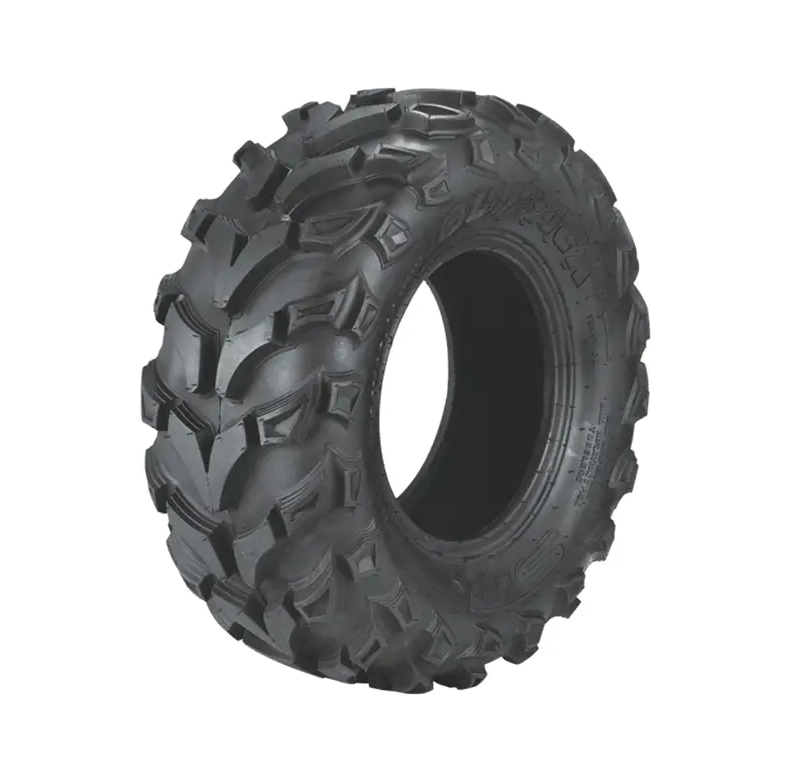
A utility vehicle can look compact, but its working environment may be anything but simple. Gravel tracks, muddy fields, construction areas, woodland paths, and uneven farm roads can all create different demands on the wheels. That is where Utility Vehicle Tyres become an important part of vehicle performance. Their tread design, rubber composition, size, and internal construction influence how a vehicle reacts to changing ground conditions.
Tread patterns are one of the easiest features to notice. A tyre designed for mixed terrain often uses wider grooves to help clear loose soil and mud from the contact area. More closely spaced tread blocks can provide a smoother feel on firmer surfaces. Some Utility Vehicle Tyres use a directional pattern, creating a tread layout intended to support traction when the vehicle moves across soft or irregular ground.
Load handling is another practical consideration. Utility vehicles are often used to transport tools, equipment, agricultural materials, or small loads. The tyres need to work within the vehicle's recommended load range. Choosing a suitable size and load rating can help maintain predictable handling when the vehicle carries additional weight.
Ground conditions can also change during a single trip. A vehicle may leave a paved road, cross a gravel section, and then enter a muddy field. Utility Vehicle Tyres for mixed-use applications are therefore designed around a balance between traction and road manners. A tread that is too aggressive for regular road use may create extra vibration, whereas a road-focused pattern may struggle on loose terrain.
Tyre dimensions matter as well. Width, diameter, and sidewall profile can affect the relationship between the vehicle and the ground. A taller sidewall may offer useful flexibility on uneven surfaces, while the appropriate width can influence how the tyre interacts with soft soil.
Selecting Utility Vehicle Tyres is not simply about choosing a rugged-looking tread. The vehicle type, operating surface, expected load, speed range, and frequency of road travel all deserve attention. A clear understanding of these factors makes tyre selection more practical and helps the vehicle remain comfortable and controllable across different working areas.