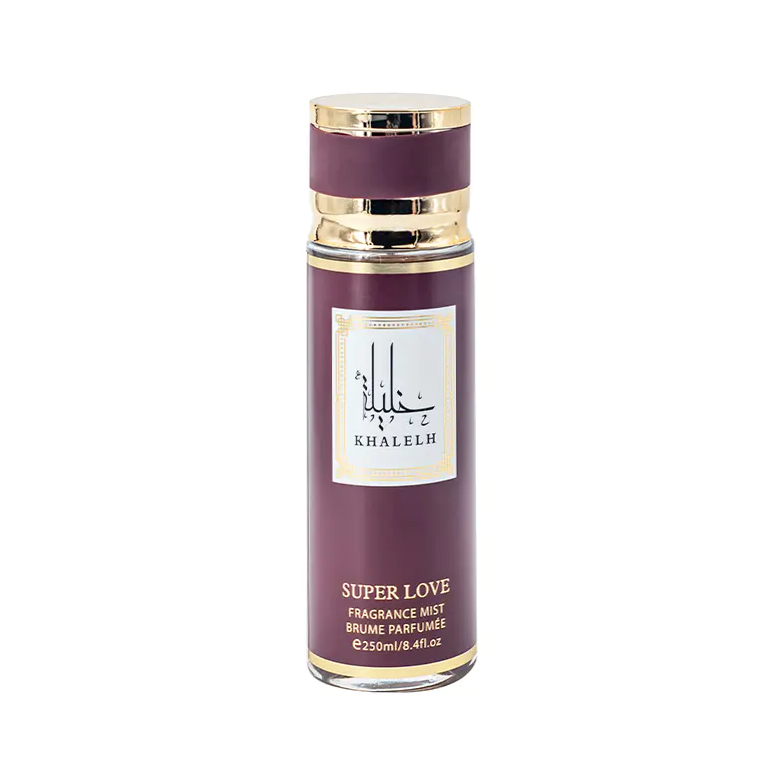
Floral Perfume is widely used in fragrance production, personal care formulations, scented products, and related manufacturing applications. Although the finished fragrance may appear simple, its development involves several decisions concerning aroma materials, concentration, blending order, and scent structure. A floral profile can be built around rose, jasmine, violet, orange blossom, lily, or other botanical-inspired notes, creating different directions for industrial fragrance formulations.
The first stage usually involves defining the intended scent character. A formulation team may describe the target as soft, powdery, green, fresh, creamy, or slightly fruity. These descriptions help determine which aromatic materials should be evaluated. Floral Perfume does not necessarily rely on one flower note. A formula can combine several floral accords to create greater depth and a more recognizable identity.
Scent structure is another important consideration. Fragrance formulas are commonly discussed in terms of top, middle, and base notes. Floral materials often play a significant role in the middle section because they can connect fresh opening notes with deeper ingredients. Citrus or green materials may create the initial impression, floral ingredients can form the central character, and woody, musky, or amber materials may provide additional depth.
Raw material selection requires attention to consistency. Natural extracts can vary according to botanical source, processing conditions, and batch characteristics. Synthetic aroma materials may offer a more controlled composition for certain formulations. A manufacturer may therefore combine different material types to achieve a specific olfactory profile and production requirement.
Concentration also affects the final result. The same Floral Perfume composition can produce different sensory impressions at different dosage levels. Fragrance developers need to consider the product in which the perfume will be used because alcohol-based products, creams, soaps, detergents, and other formulations can interact differently with aromatic components.
Blending order can influence the development process as well. Certain materials may be introduced gradually to improve consistency during mixing. After blending, the composition may require a resting period before evaluation because individual aroma materials can become more integrated over time.
For B2B fragrance production, Floral Perfume is therefore more than a collection of pleasant flower aromas. It involves formulation design, raw material control, dosage planning, compatibility testing, and batch consistency. A clear scent structure allows manufacturers to adapt the fragrance for different product categories without losing the intended floral character.