• The Ultimate Guide to B2B Demand Generation in 2030

    In 2025, B2B demand generation has evolved beyond simple lead capture — it’s about orchestrating intelligent, hyper-personalized buyer journeys powered by AI, intent data, and automation. The days of mass email blasts and cold outreach are over. Today’s B2B buyers expect relevance, context, and authenticity — and companies that deliver it are the ones winning pipeline and market share.
    Here’s how the modern demand generation landscape is transforming and how you can future-proof your strategy.
    1️⃣ Intent Data: Knowing Buyers Before They Know You
    The foundation of next-gen demand gen is intent intelligence — the ability to identify when and why a company is in-market.
    AI systems now track behavioral, firmographic, and technographic signals across the web — from content engagement to review site activity — to pinpoint potential buyers before they fill out a form.
    Action Step:
    Use platforms like Bombora, 6sense, or Demandbase to surface real-time buying signals. Then, align your content and outreach with those high-intent moments for maximum impact.
    2️⃣ Hyper-Personalized Content Journeys
    Generic eBooks and gated PDFs don’t cut it anymore. In 2025, B2B buyers want content that feels made for them — personalized by role, industry, and intent stage.
    AI content engines now craft dynamic assets — landing pages, emails, and ads — that adapt based on audience behavior and buying context.
    Action Step:
    Build a modular content library and leverage AI tools like Jasper or Writer to personalize at scale. Let your content evolve automatically with each buyer interaction.
    3️⃣ The Rise of Predictive Lead Scoring
    Forget static lead scoring models. Modern B2B marketers are turning to predictive AI models that evaluate historical conversions, behavioral signals, and engagement patterns to rank leads based on actual deal potential.
    Action Step:
    Integrate predictive scoring into your CRM. This ensures your sales team focuses only on leads with true revenue potential — not just form-fillers.
    4️⃣ Account-Based Everything (ABX)
    ABM has matured into ABX — Account-Based Experience — where every touchpoint, from ads to follow-ups, is orchestrated to deliver consistent value.
    AI automates personalization across channels, ensuring each account gets a seamless, tailored journey.
    Action Step:
    Use unified orchestration platforms like Terminus or RollWorks to synchronize marketing, sales, and customer success efforts around target accounts.
    5️⃣ Conversational and Interactive Engagement
    Static CTAs are giving way to AI chatbots, voice assistants, and interactive tools that engage buyers in real time. These tools not only capture leads but also qualify and nurture them instantly.
    Action Step:
    Deploy conversational AI on your website and LinkedIn. Make interactions two-way — not one-sided pitches.
    6️⃣ Measuring the Full Funnel
    2025 demand gen isn’t about vanity metrics. It’s about pipeline velocity, revenue influence, and ROI clarity.
    AI-driven analytics tools now trace the buyer’s journey across multiple channels, accurately attributing revenue to touchpoints.
    Action Step:
    Adopt multi-touch attribution and track key KPIs like MQL-to-SQL conversion, customer acquisition cost (CAC), and lifetime value (LTV).
    Read More: https://intentamplify.com/blog/all-you-need-to-know-about-demand-generation/

    The Ultimate Guide to B2B Demand Generation in 2030 In 2025, B2B demand generation has evolved beyond simple lead capture — it’s about orchestrating intelligent, hyper-personalized buyer journeys powered by AI, intent data, and automation. The days of mass email blasts and cold outreach are over. Today’s B2B buyers expect relevance, context, and authenticity — and companies that deliver it are the ones winning pipeline and market share. Here’s how the modern demand generation landscape is transforming and how you can future-proof your strategy. 1️⃣ Intent Data: Knowing Buyers Before They Know You The foundation of next-gen demand gen is intent intelligence — the ability to identify when and why a company is in-market. AI systems now track behavioral, firmographic, and technographic signals across the web — from content engagement to review site activity — to pinpoint potential buyers before they fill out a form. Action Step: Use platforms like Bombora, 6sense, or Demandbase to surface real-time buying signals. Then, align your content and outreach with those high-intent moments for maximum impact. 2️⃣ Hyper-Personalized Content Journeys Generic eBooks and gated PDFs don’t cut it anymore. In 2025, B2B buyers want content that feels made for them — personalized by role, industry, and intent stage. AI content engines now craft dynamic assets — landing pages, emails, and ads — that adapt based on audience behavior and buying context. Action Step: Build a modular content library and leverage AI tools like Jasper or Writer to personalize at scale. Let your content evolve automatically with each buyer interaction. 3️⃣ The Rise of Predictive Lead Scoring Forget static lead scoring models. Modern B2B marketers are turning to predictive AI models that evaluate historical conversions, behavioral signals, and engagement patterns to rank leads based on actual deal potential. Action Step: Integrate predictive scoring into your CRM. This ensures your sales team focuses only on leads with true revenue potential — not just form-fillers. 4️⃣ Account-Based Everything (ABX) ABM has matured into ABX — Account-Based Experience — where every touchpoint, from ads to follow-ups, is orchestrated to deliver consistent value. AI automates personalization across channels, ensuring each account gets a seamless, tailored journey. Action Step: Use unified orchestration platforms like Terminus or RollWorks to synchronize marketing, sales, and customer success efforts around target accounts. 5️⃣ Conversational and Interactive Engagement Static CTAs are giving way to AI chatbots, voice assistants, and interactive tools that engage buyers in real time. These tools not only capture leads but also qualify and nurture them instantly. Action Step: Deploy conversational AI on your website and LinkedIn. Make interactions two-way — not one-sided pitches. 6️⃣ Measuring the Full Funnel 2025 demand gen isn’t about vanity metrics. It’s about pipeline velocity, revenue influence, and ROI clarity. AI-driven analytics tools now trace the buyer’s journey across multiple channels, accurately attributing revenue to touchpoints. Action Step: Adopt multi-touch attribution and track key KPIs like MQL-to-SQL conversion, customer acquisition cost (CAC), and lifetime value (LTV). Read More: https://intentamplify.com/blog/all-you-need-to-know-about-demand-generation/
    0 Комментарии 0 Поделились
  • When will AI bots start managing entire B2B nurture sequences autonomously?

    The B2B marketing landscape is evolving faster than ever. What once took teams of marketers, data analysts, and SDRs is now being streamlined by AI-powered automation. But a new frontier is emerging — one where AI bots don’t just assist in lead nurturing; they manage the entire process autonomously.
    So the real question isn’t if this will happen — it’s when.
    1. The Evolution Toward Full Autonomy
    Today, most B2B nurture sequences rely on human-defined workflows: marketers set triggers, schedule follow-ups, and manually adjust campaigns. AI already assists with optimization — analyzing performance, personalizing emails, or predicting conversion points.
    But we’re now entering the next phase: autonomous nurture orchestration, where AI bots:
    • Identify leads from multiple data sources
    • Craft tailored, multi-touch messages
    • Choose the best communication channels (email, LinkedIn, chat, ads)
    • Adjust timing and tone based on engagement behavior
    • Hand off high-intent leads to sales — automatically
    This is no longer science fiction — it’s the logical progression of current AI capabilities.
    2. The Building Blocks Are Already Here
    a. Predictive Lead Scoring
    AI models are now sophisticated enough to rank leads dynamically based on real-time behavior and historical data. They understand who’s most likely to convert before a human ever looks at the CRM.
    b. Generative Personalization
    Large Language Models (LLMs) like GPT-5 can generate customized messages for each lead — reflecting tone, industry, and buyer stage — without sounding robotic. This means every prospect can receive content that feels written just for them.
    c. Multi-Channel Automation
    AI tools can already synchronize messages across email, social, and in-app platforms. In 2025, we’re seeing early versions of AI-driven campaign managers that autonomously test variations, adjust messaging frequency, and route prospects between channels based on engagement.
    d. Adaptive Learning Systems
    Machine learning enables AI to analyze campaign outcomes and continuously improve its decisions — fine-tuning subject lines, sequencing order, and even budget allocation without human intervention.
    3. The Timeline: From Assisted to Autonomous
    • 2024–2025: AI copilots (like HubSpot AI and Salesforce Einstein) assist marketers by suggesting nurture flows, writing content, and analyzing engagement data.
    • 2026–2027: Advanced AI agents begin autonomously managing low-risk nurture campaigns — small-scale experiments with limited oversight.
    • 2028 and Beyond: Full-scale autonomous systems emerge, capable of managing complex, multi-channel nurture programs end-to-end — including lead segmentation, A/B testing, and real-time optimization.
    By the end of the decade, human marketers will act more as strategic overseers — defining brand voice, ethics, and high-level goals — while AI bots handle execution, personalization, and performance tuning at scale.
    4. What Still Needs to Happen
    • Trust & Transparency: Marketers must ensure AI-driven communication remains authentic, accurate, and compliant with brand guidelines.
    • Integration Across Stacks: Seamless interoperability between CRMs, automation platforms, and AI systems is crucial.
    • Human Oversight in Key Moments: While AI can nurture, humans still close — emotional intelligence and strategic creativity remain irreplaceable.
    The Bottom Line
    AI bots managing entire B2B nurture sequences autonomously isn’t a distant dream — it’s a 5-year reality. The pieces are already in place: predictive analytics, generative personalization, and self-learning algorithms.
    Soon, “set and forget” won’t mean automated email drips — it’ll mean a fully autonomous AI marketer that can discover, engage, and qualify leads while your team focuses on strategy, creativity, and relationships.
    The future of B2B nurturing isn’t about working harder — it’s about letting AI work smarter.
    Read More: https://intentamplify.com/lead-generation/

    When will AI bots start managing entire B2B nurture sequences autonomously? The B2B marketing landscape is evolving faster than ever. What once took teams of marketers, data analysts, and SDRs is now being streamlined by AI-powered automation. But a new frontier is emerging — one where AI bots don’t just assist in lead nurturing; they manage the entire process autonomously. So the real question isn’t if this will happen — it’s when. 1. The Evolution Toward Full Autonomy Today, most B2B nurture sequences rely on human-defined workflows: marketers set triggers, schedule follow-ups, and manually adjust campaigns. AI already assists with optimization — analyzing performance, personalizing emails, or predicting conversion points. But we’re now entering the next phase: autonomous nurture orchestration, where AI bots: • Identify leads from multiple data sources • Craft tailored, multi-touch messages • Choose the best communication channels (email, LinkedIn, chat, ads) • Adjust timing and tone based on engagement behavior • Hand off high-intent leads to sales — automatically This is no longer science fiction — it’s the logical progression of current AI capabilities. 2. The Building Blocks Are Already Here a. Predictive Lead Scoring AI models are now sophisticated enough to rank leads dynamically based on real-time behavior and historical data. They understand who’s most likely to convert before a human ever looks at the CRM. b. Generative Personalization Large Language Models (LLMs) like GPT-5 can generate customized messages for each lead — reflecting tone, industry, and buyer stage — without sounding robotic. This means every prospect can receive content that feels written just for them. c. Multi-Channel Automation AI tools can already synchronize messages across email, social, and in-app platforms. In 2025, we’re seeing early versions of AI-driven campaign managers that autonomously test variations, adjust messaging frequency, and route prospects between channels based on engagement. d. Adaptive Learning Systems Machine learning enables AI to analyze campaign outcomes and continuously improve its decisions — fine-tuning subject lines, sequencing order, and even budget allocation without human intervention. 3. The Timeline: From Assisted to Autonomous • 2024–2025: AI copilots (like HubSpot AI and Salesforce Einstein) assist marketers by suggesting nurture flows, writing content, and analyzing engagement data. • 2026–2027: Advanced AI agents begin autonomously managing low-risk nurture campaigns — small-scale experiments with limited oversight. • 2028 and Beyond: Full-scale autonomous systems emerge, capable of managing complex, multi-channel nurture programs end-to-end — including lead segmentation, A/B testing, and real-time optimization. By the end of the decade, human marketers will act more as strategic overseers — defining brand voice, ethics, and high-level goals — while AI bots handle execution, personalization, and performance tuning at scale. 4. What Still Needs to Happen • Trust & Transparency: Marketers must ensure AI-driven communication remains authentic, accurate, and compliant with brand guidelines. • Integration Across Stacks: Seamless interoperability between CRMs, automation platforms, and AI systems is crucial. • Human Oversight in Key Moments: While AI can nurture, humans still close — emotional intelligence and strategic creativity remain irreplaceable. The Bottom Line AI bots managing entire B2B nurture sequences autonomously isn’t a distant dream — it’s a 5-year reality. The pieces are already in place: predictive analytics, generative personalization, and self-learning algorithms. Soon, “set and forget” won’t mean automated email drips — it’ll mean a fully autonomous AI marketer that can discover, engage, and qualify leads while your team focuses on strategy, creativity, and relationships. The future of B2B nurturing isn’t about working harder — it’s about letting AI work smarter. Read More: https://intentamplify.com/lead-generation/
    0 Комментарии 0 Поделились
  • What is zero-touch lead generation, and how will AI make it possible?

    The future of B2B marketing is moving toward automation with intelligence—a world where high-quality leads are identified, nurtured, and handed to sales teams without human intervention. This emerging concept is called Zero-Touch Lead Generation, and it’s rapidly transforming how businesses approach growth.
    In traditional models, marketers manually build campaigns, qualify leads, and personalize outreach. Zero-touch flips that process entirely—using AI-driven systems to handle everything from data collection to conversion, seamlessly and autonomously.
    Here’s what it means and how AI is making it a reality.
    1. Defining Zero-Touch Lead Generation
    Zero-touch lead generation refers to a fully automated system that identifies, qualifies, and engages leads without human input. Instead of requiring manual campaign setup, AI systems autonomously:
    • Discover in-market prospects through behavioral and intent data
    • Create personalized outreach messages
    • Nurture leads across channels (email, chat, social)
    • Score and deliver ready-to-convert leads directly to sales teams
    It’s the next evolution of marketing automation—powered not by rigid workflows, but by adaptive intelligence that learns, optimizes, and acts continuously.
    2. How AI Makes Zero-Touch Lead Gen Possible
    a. Predictive Data Mining
    AI algorithms pull from massive data pools—CRM records, social media, website analytics, and third-party intent data—to detect patterns that signal buying intent. Unlike static segmentation, AI learns over time which characteristics predict conversion, enabling self-updating Ideal Customer Profiles (ICPs).
    b. Generative Outreach & Personalization
    Large Language Models (LLMs) can now generate personalized emails, LinkedIn messages, or ad copy for each prospect—aligned with tone, industry, and stage of the buyer journey. This ensures every communication feels custom-written, not templated, and scales personalization far beyond human capacity.
    c. Automated Qualification & Nurturing
    AI lead-scoring models evaluate readiness in real time—based on content engagement, website behavior, or CRM signals—and trigger automated nurturing sequences. For instance, a prospect who reads a case study might receive an AI-drafted follow-up email offering a demo, all without human involvement.
    d. Continuous Optimization Through Feedback Loops
    Machine learning enables constant iteration. AI systems analyze performance data—response rates, conversion metrics, campaign outcomes—and adjust targeting, tone, and frequency automatically. Each cycle improves accuracy and efficiency.
    3. Benefits of Going Zero-Touch
    • 🚀 Speed: AI reacts instantly to market and buyer changes, shortening lead cycles.
    • 🎯 Precision: Predictive targeting ensures you’re only engaging high-intent buyers.
    • 💸 Efficiency: Eliminates manual data handling and repetitive tasks, reducing CAC (Customer Acquisition Cost).
    • 🤝 Alignment: Provides sales teams with pre-qualified, high-fit leads ready for engagement.
    Essentially, it allows marketing and sales teams to focus on strategy, creativity, and relationship-building, while AI handles the operational grind.
    4. The Human + AI Partnership
    Zero-touch doesn’t mean zero humans—it means humans only where they add the most value. AI manages the pipeline; marketers guide the strategy, storytelling, and ethical oversight. The goal isn’t full replacement—it’s frictionless collaboration between human creativity and machine precision.
    The Bottom Line
    Zero-touch lead generation represents the next frontier of AI-driven B2B marketing—where intent, personalization, and automation converge to create always-on, self-optimizing demand engines. As AI models grow more context-aware and autonomous, businesses will shift from chasing leads to attracting and converting them effortlessly.
    The future of lead gen isn’t just automated—it’s intelligent, adaptive, and entirely touch-free.
    Read More: https://intentamplify.com/lead-generation/

    What is zero-touch lead generation, and how will AI make it possible? The future of B2B marketing is moving toward automation with intelligence—a world where high-quality leads are identified, nurtured, and handed to sales teams without human intervention. This emerging concept is called Zero-Touch Lead Generation, and it’s rapidly transforming how businesses approach growth. In traditional models, marketers manually build campaigns, qualify leads, and personalize outreach. Zero-touch flips that process entirely—using AI-driven systems to handle everything from data collection to conversion, seamlessly and autonomously. Here’s what it means and how AI is making it a reality. 1. Defining Zero-Touch Lead Generation Zero-touch lead generation refers to a fully automated system that identifies, qualifies, and engages leads without human input. Instead of requiring manual campaign setup, AI systems autonomously: • Discover in-market prospects through behavioral and intent data • Create personalized outreach messages • Nurture leads across channels (email, chat, social) • Score and deliver ready-to-convert leads directly to sales teams It’s the next evolution of marketing automation—powered not by rigid workflows, but by adaptive intelligence that learns, optimizes, and acts continuously. 2. How AI Makes Zero-Touch Lead Gen Possible a. Predictive Data Mining AI algorithms pull from massive data pools—CRM records, social media, website analytics, and third-party intent data—to detect patterns that signal buying intent. Unlike static segmentation, AI learns over time which characteristics predict conversion, enabling self-updating Ideal Customer Profiles (ICPs). b. Generative Outreach & Personalization Large Language Models (LLMs) can now generate personalized emails, LinkedIn messages, or ad copy for each prospect—aligned with tone, industry, and stage of the buyer journey. This ensures every communication feels custom-written, not templated, and scales personalization far beyond human capacity. c. Automated Qualification & Nurturing AI lead-scoring models evaluate readiness in real time—based on content engagement, website behavior, or CRM signals—and trigger automated nurturing sequences. For instance, a prospect who reads a case study might receive an AI-drafted follow-up email offering a demo, all without human involvement. d. Continuous Optimization Through Feedback Loops Machine learning enables constant iteration. AI systems analyze performance data—response rates, conversion metrics, campaign outcomes—and adjust targeting, tone, and frequency automatically. Each cycle improves accuracy and efficiency. 3. Benefits of Going Zero-Touch • 🚀 Speed: AI reacts instantly to market and buyer changes, shortening lead cycles. • 🎯 Precision: Predictive targeting ensures you’re only engaging high-intent buyers. • 💸 Efficiency: Eliminates manual data handling and repetitive tasks, reducing CAC (Customer Acquisition Cost). • 🤝 Alignment: Provides sales teams with pre-qualified, high-fit leads ready for engagement. Essentially, it allows marketing and sales teams to focus on strategy, creativity, and relationship-building, while AI handles the operational grind. 4. The Human + AI Partnership Zero-touch doesn’t mean zero humans—it means humans only where they add the most value. AI manages the pipeline; marketers guide the strategy, storytelling, and ethical oversight. The goal isn’t full replacement—it’s frictionless collaboration between human creativity and machine precision. The Bottom Line Zero-touch lead generation represents the next frontier of AI-driven B2B marketing—where intent, personalization, and automation converge to create always-on, self-optimizing demand engines. As AI models grow more context-aware and autonomous, businesses will shift from chasing leads to attracting and converting them effortlessly. The future of lead gen isn’t just automated—it’s intelligent, adaptive, and entirely touch-free. Read More: https://intentamplify.com/lead-generation/
    0 Комментарии 0 Поделились
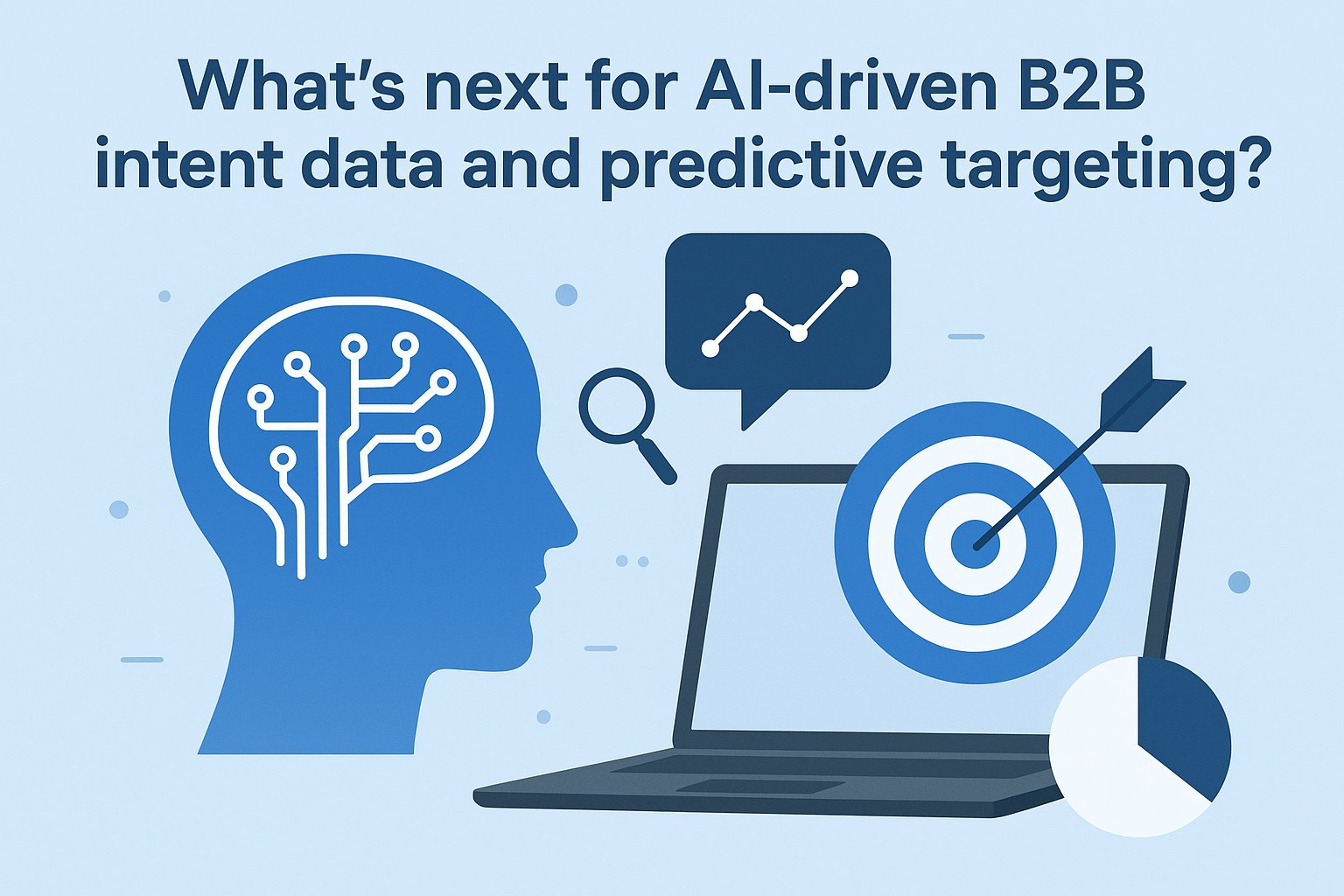
  • What’s next for AI-driven B2B intent data and predictive targeting?

    B2B marketing has always been about timing—reaching the right buyer at the precise moment they’re ready to act. With AI supercharging intent data and predictive targeting, that precision is evolving into prediction. The question isn’t who your next customer is anymore—it’s when they’ll buy and how to engage them most effectively.
    So, what’s next for AI-driven intent data and predictive targeting in the B2B space? Let’s take a look.
    1. Real-Time Intent Detection Becomes the Norm
    Today’s intent models analyze behavior from websites, content interactions, and third-party platforms. The next phase will bring real-time intent detection, powered by AI models that process live data streams.
    • AI will identify buying signals (like sudden topic research spikes or competitor engagement) as they happen, enabling marketers to act within hours—not weeks.
    • Platforms like 6sense, Bombora, and Demandbase are already evolving in this direction, with adaptive scoring that updates continuously.
    Impact: Faster, more responsive targeting that aligns perfectly with shifting buyer intent.
    2. Multisource Data Fusion for 360° Buyer Intelligence
    AI will unify diverse data types—firmographics, technographics, content engagement, CRM activity, and even psychographic insights—into a single predictive framework.
    • This fusion will eliminate siloed data, allowing AI to “see” patterns across touchpoints and create deeper audience profiles.
    • Expect predictive engines that can distinguish between casual researchers and serious buyers by weighing dozens of cross-channel behaviors simultaneously.
    Impact: Sharper segmentation and more accurate prioritization of high-value accounts.
    3. Predictive Engagement Timing and Channel Optimization
    Future AI systems won’t just identify who to target—they’ll predict when and where to engage.
    • Predictive timing models will forecast the optimal moment to send an email, launch an ad, or trigger sales outreach.
    • AI will recommend the best content type and channel—video, email, or webinar—based on each buyer’s behavioral history.
    Impact: Higher engagement and conversion rates driven by perfectly timed outreach.
    4. Privacy-First Predictive Modeling
    As data regulations tighten globally, AI will shift toward privacy-preserving intent models.
    • Techniques like federated learning and synthetic data generation will allow platforms to predict buyer intent without exposing personally identifiable information (PII).
    • Ethical AI frameworks will become core to how predictive targeting operates.
    Impact: Predictive accuracy without compromising trust or compliance.
    5. Self-Learning Predictive Pipelines
    The next generation of predictive targeting will feature autonomous learning loops.
    • AI will continuously retrain itself using new CRM outcomes—adjusting scoring weights, refining signals, and improving predictions over time.
    • Human marketers will shift from manual campaign tuning to strategy and creative direction.
    Impact: Constant optimization and sustained accuracy at scale.
    The Bottom Line:
    AI-driven intent data and predictive targeting are moving from descriptive to prescriptive intelligence—from observing behavior to anticipating it. In the next 3–5 years, B2B marketers will rely on AI systems that don’t just identify who’s ready to buy but can forecast when, how, and why. The result? Shorter sales cycles, higher ROI, and a marketing ecosystem that learns, adapts, and performs autonomously.
    Read More: https://intentamplify.com/lead-generation/
    What’s next for AI-driven B2B intent data and predictive targeting? B2B marketing has always been about timing—reaching the right buyer at the precise moment they’re ready to act. With AI supercharging intent data and predictive targeting, that precision is evolving into prediction. The question isn’t who your next customer is anymore—it’s when they’ll buy and how to engage them most effectively. So, what’s next for AI-driven intent data and predictive targeting in the B2B space? Let’s take a look. 1. Real-Time Intent Detection Becomes the Norm Today’s intent models analyze behavior from websites, content interactions, and third-party platforms. The next phase will bring real-time intent detection, powered by AI models that process live data streams. • AI will identify buying signals (like sudden topic research spikes or competitor engagement) as they happen, enabling marketers to act within hours—not weeks. • Platforms like 6sense, Bombora, and Demandbase are already evolving in this direction, with adaptive scoring that updates continuously. Impact: Faster, more responsive targeting that aligns perfectly with shifting buyer intent. 2. Multisource Data Fusion for 360° Buyer Intelligence AI will unify diverse data types—firmographics, technographics, content engagement, CRM activity, and even psychographic insights—into a single predictive framework. • This fusion will eliminate siloed data, allowing AI to “see” patterns across touchpoints and create deeper audience profiles. • Expect predictive engines that can distinguish between casual researchers and serious buyers by weighing dozens of cross-channel behaviors simultaneously. Impact: Sharper segmentation and more accurate prioritization of high-value accounts. 3. Predictive Engagement Timing and Channel Optimization Future AI systems won’t just identify who to target—they’ll predict when and where to engage. • Predictive timing models will forecast the optimal moment to send an email, launch an ad, or trigger sales outreach. • AI will recommend the best content type and channel—video, email, or webinar—based on each buyer’s behavioral history. Impact: Higher engagement and conversion rates driven by perfectly timed outreach. 4. Privacy-First Predictive Modeling As data regulations tighten globally, AI will shift toward privacy-preserving intent models. • Techniques like federated learning and synthetic data generation will allow platforms to predict buyer intent without exposing personally identifiable information (PII). • Ethical AI frameworks will become core to how predictive targeting operates. Impact: Predictive accuracy without compromising trust or compliance. 5. Self-Learning Predictive Pipelines The next generation of predictive targeting will feature autonomous learning loops. • AI will continuously retrain itself using new CRM outcomes—adjusting scoring weights, refining signals, and improving predictions over time. • Human marketers will shift from manual campaign tuning to strategy and creative direction. Impact: Constant optimization and sustained accuracy at scale. The Bottom Line: AI-driven intent data and predictive targeting are moving from descriptive to prescriptive intelligence—from observing behavior to anticipating it. In the next 3–5 years, B2B marketers will rely on AI systems that don’t just identify who’s ready to buy but can forecast when, how, and why. The result? Shorter sales cycles, higher ROI, and a marketing ecosystem that learns, adapts, and performs autonomously. Read More: https://intentamplify.com/lead-generation/
    0 Комментарии 0 Поделились
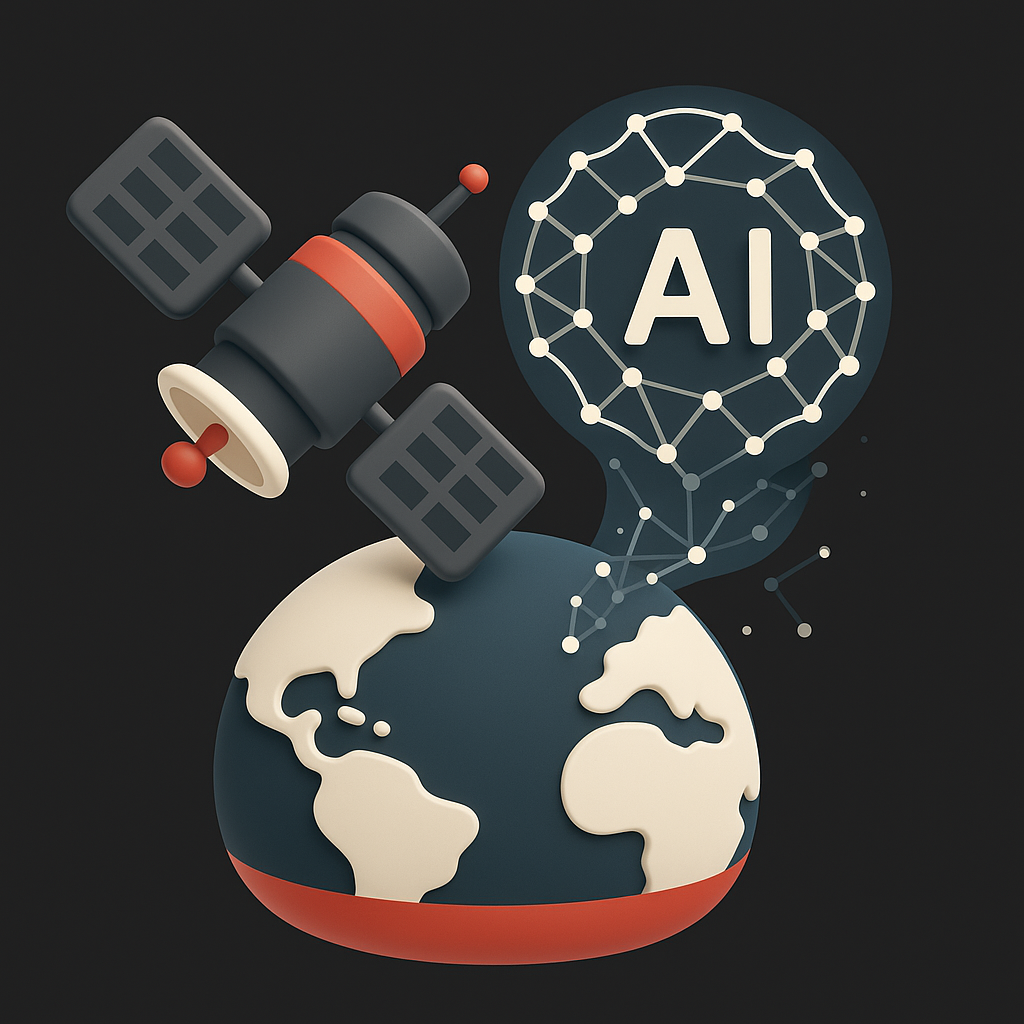
  • How is AI accelerating space exploration through autonomous robotics?

    Exploring space means venturing into the unknown—where human presence is limited, communication is delayed, and conditions are extreme. This is where AI-powered autonomous robotics becomes mission critical, enabling spacecraft, rovers, and satellites to think, adapt, and act without constant human control.
    🤖 From navigating Martian terrain to repairing satellites in orbit, AI-driven robotics is accelerating discoveries and reducing risks in the final frontier.
    🔍 𝐇𝐞𝐫𝐞’𝐬 𝐡𝐨𝐰 𝐀𝐈 𝐢𝐬 𝐫𝐞𝐬𝐡𝐚𝐩𝐢𝐧𝐠 𝐬𝐩𝐚𝐜𝐞 𝐞𝐱𝐩𝐥𝐨𝐫𝐚𝐭𝐢𝐨𝐧:
    ✅ 𝐀𝐮𝐭𝐨𝐧𝐨𝐦𝐨𝐮𝐬 𝐍𝐚𝐯𝐢𝐠𝐚𝐭𝐢𝐨𝐧
    Rovers on Mars and beyond use AI to map terrain, avoid obstacles, and chart safe paths—critical when signals from Earth take minutes to arrive.
    ✅ 𝐑𝐞𝐚𝐥-𝐓𝐢𝐦𝐞 𝐃𝐞𝐜𝐢𝐬𝐢𝐨𝐧-𝐌𝐚𝐤𝐢𝐧𝐠
    AI systems onboard spacecraft can analyze sensor data and make split-second adjustments—whether avoiding debris or adjusting trajectory.
    ✅ 𝐑𝐨𝐛𝐨𝐭𝐢𝐜 𝐀𝐬𝐬𝐢𝐬𝐭𝐚𝐧𝐭𝐬
    AI-driven robots support astronauts on the ISS and future lunar missions by managing tasks like equipment maintenance and environmental monitoring.
    ✅ 𝐏𝐥𝐚𝐧𝐞𝐭𝐚𝐫𝐲 𝐀𝐧𝐚𝐥𝐲𝐬𝐢𝐬
    Autonomous probes equipped with AI can analyze soil, atmosphere, and geological formations—sending back structured insights instead of raw data.
    ✅ 𝐒𝐚𝐭𝐞𝐥𝐥𝐢𝐭𝐞 𝐒𝐰𝐚𝐫𝐦𝐬
    AI coordinates constellations of satellites, enabling real-time Earth observation, deep space communication, and disaster monitoring.
    📌 𝐓𝐡𝐞 𝐁𝐢𝐠 𝐏𝐢𝐜𝐭𝐮𝐫𝐞:
    AI is turning space robotics into self-reliant explorers, pushing humanity further into the cosmos with greater safety, speed, and intelligence. The more we rely on autonomous AI in space, the closer we get to unlocking interplanetary exploration at scale.
    🔗 Read More: https://technologyaiinsights.com/
    📣 About AI Technology Insights (AITin):
    AI Technology Insights (AITin) is the fastest-growing global community of thought leaders, influencers, and researchers specializing in AI, Big Data, Analytics, Robotics, Cloud Computing, and related technologies. Through its platform, AITin offers valuable insights from industry executives and pioneers who share their journeys, expertise, success stories, and strategies for building profitable, forward-thinking businesses.

    📍 𝐀𝐝𝐝𝐫𝐞𝐬𝐬: 1846 E Innovation Park DR, Ste 100, Oro Valley, AZ 85755
    📧 𝐄𝐦𝐚𝐢𝐥: sales@intentamplify.com
    📲 𝐂𝐚𝐥𝐥: +1 (845) 347-8894

    How is AI accelerating space exploration through autonomous robotics? Exploring space means venturing into the unknown—where human presence is limited, communication is delayed, and conditions are extreme. This is where AI-powered autonomous robotics becomes mission critical, enabling spacecraft, rovers, and satellites to think, adapt, and act without constant human control. 🤖 From navigating Martian terrain to repairing satellites in orbit, AI-driven robotics is accelerating discoveries and reducing risks in the final frontier. 🔍 𝐇𝐞𝐫𝐞’𝐬 𝐡𝐨𝐰 𝐀𝐈 𝐢𝐬 𝐫𝐞𝐬𝐡𝐚𝐩𝐢𝐧𝐠 𝐬𝐩𝐚𝐜𝐞 𝐞𝐱𝐩𝐥𝐨𝐫𝐚𝐭𝐢𝐨𝐧: ✅ 𝐀𝐮𝐭𝐨𝐧𝐨𝐦𝐨𝐮𝐬 𝐍𝐚𝐯𝐢𝐠𝐚𝐭𝐢𝐨𝐧 Rovers on Mars and beyond use AI to map terrain, avoid obstacles, and chart safe paths—critical when signals from Earth take minutes to arrive. ✅ 𝐑𝐞𝐚𝐥-𝐓𝐢𝐦𝐞 𝐃𝐞𝐜𝐢𝐬𝐢𝐨𝐧-𝐌𝐚𝐤𝐢𝐧𝐠 AI systems onboard spacecraft can analyze sensor data and make split-second adjustments—whether avoiding debris or adjusting trajectory. ✅ 𝐑𝐨𝐛𝐨𝐭𝐢𝐜 𝐀𝐬𝐬𝐢𝐬𝐭𝐚𝐧𝐭𝐬 AI-driven robots support astronauts on the ISS and future lunar missions by managing tasks like equipment maintenance and environmental monitoring. ✅ 𝐏𝐥𝐚𝐧𝐞𝐭𝐚𝐫𝐲 𝐀𝐧𝐚𝐥𝐲𝐬𝐢𝐬 Autonomous probes equipped with AI can analyze soil, atmosphere, and geological formations—sending back structured insights instead of raw data. ✅ 𝐒𝐚𝐭𝐞𝐥𝐥𝐢𝐭𝐞 𝐒𝐰𝐚𝐫𝐦𝐬 AI coordinates constellations of satellites, enabling real-time Earth observation, deep space communication, and disaster monitoring. 📌 𝐓𝐡𝐞 𝐁𝐢𝐠 𝐏𝐢𝐜𝐭𝐮𝐫𝐞: AI is turning space robotics into self-reliant explorers, pushing humanity further into the cosmos with greater safety, speed, and intelligence. The more we rely on autonomous AI in space, the closer we get to unlocking interplanetary exploration at scale. 🔗 Read More: https://technologyaiinsights.com/ 📣 About AI Technology Insights (AITin): AI Technology Insights (AITin) is the fastest-growing global community of thought leaders, influencers, and researchers specializing in AI, Big Data, Analytics, Robotics, Cloud Computing, and related technologies. Through its platform, AITin offers valuable insights from industry executives and pioneers who share their journeys, expertise, success stories, and strategies for building profitable, forward-thinking businesses. 📍 𝐀𝐝𝐝𝐫𝐞𝐬𝐬: 1846 E Innovation Park DR, Ste 100, Oro Valley, AZ 85755 📧 𝐄𝐦𝐚𝐢𝐥: sales@intentamplify.com 📲 𝐂𝐚𝐥𝐥: +1 (845) 347-8894
    0 Комментарии 0 Поделились
  • Synthetic Data with AI: Fueling Innovation Without Privacy Risks

    In the age of AI, data is the new oil—but collecting and sharing real-world data often comes with major privacy and compliance concerns. Enter synthetic data, AI-generated datasets that mimic real-world information without exposing sensitive details.
    🤖 Instead of relying solely on user data, organizations can now train, test, and innovate with synthetic datasets that are both realistic and privacy-safe.
    🔍 𝐇𝐞𝐫𝐞’𝐬 𝐡𝐨𝐰 𝐀𝐈-𝐝𝐫𝐢𝐯𝐞𝐧 𝐬𝐲𝐧𝐭𝐡𝐞𝐭𝐢𝐜 𝐝𝐚𝐭𝐚 𝐢𝐬 𝐫𝐞𝐬𝐡𝐚𝐩𝐢𝐧𝐠 𝐢𝐧𝐧𝐨𝐯𝐚𝐭𝐢𝐨𝐧:
    ✅ 𝐏𝐫𝐢𝐯𝐚𝐜𝐲-𝐏𝐫𝐞𝐬𝐞𝐫𝐯𝐢𝐧𝐠 𝐃𝐚𝐭𝐚
    Synthetic data mirrors real-world patterns while removing personally identifiable information (PII), reducing regulatory risks.
    ✅ 𝐒𝐜𝐚𝐥𝐚𝐛𝐥𝐞 𝐓𝐫𝐚𝐢𝐧𝐢𝐧𝐠 𝐃𝐚𝐭𝐚
    AI can generate massive, balanced datasets on demand—filling gaps where real data is scarce or biased.
    ✅ 𝐂𝐨𝐬𝐭-𝐄𝐟𝐟𝐢𝐜𝐢𝐞𝐧𝐭 𝐑𝐞𝐬𝐞𝐚𝐫𝐜𝐡 𝐚𝐧𝐝 𝐓𝐞𝐬𝐭𝐢𝐧𝐠
    Companies can simulate customer behavior, financial scenarios, or medical outcomes without costly, time-consuming data collection.
    ✅ 𝐒𝐚𝐟𝐞 𝐄𝐱𝐩𝐞𝐫𝐢𝐦𝐞𝐧𝐭𝐚𝐭𝐢𝐨𝐧
    Synthetic environments allow testing of AI systems in high-stakes areas—like healthcare, finance, or autonomous vehicles—without risking harm.
    ✅ 𝐃𝐞-𝐁𝐢𝐚𝐬𝐢𝐧𝐠 𝐀𝐈 𝐌𝐨𝐝𝐞𝐥𝐬
    Balanced synthetic datasets can reduce bias in machine learning, leading to fairer and more accurate outcomes.
    📌 𝐓𝐡𝐞 𝐁𝐢𝐠 𝐏𝐢𝐜𝐭𝐮𝐫𝐞:
    Synthetic data is more than a workaround—it’s a catalyst for faster, safer, and more ethical AI innovation. By enabling experimentation without risking privacy, it’s becoming the backbone of the next wave of data-driven progress.
    🔗 Read More: https://technologyaiinsights.com/
    📣 About AI Technology Insights (AITin):
    AI Technology Insights (AITin) is the fastest-growing global community of thought leaders, influencers, and researchers specializing in AI, Big Data, Analytics, Robotics, Cloud Computing, and related technologies. Through its platform, AITin offers valuable insights from industry executives and pioneers who share their journeys, expertise, success stories, and strategies for building profitable, forward-thinking businesses.

    📍 𝐀𝐝𝐝𝐫𝐞𝐬𝐬: 1846 E Innovation Park DR, Ste 100, Oro Valley, AZ 85755
    📧 𝐄𝐦𝐚𝐢𝐥: sales@intentamplify.com
    📲 𝐂𝐚𝐥𝐥: +1 (845) 347-8894
    Synthetic Data with AI: Fueling Innovation Without Privacy Risks In the age of AI, data is the new oil—but collecting and sharing real-world data often comes with major privacy and compliance concerns. Enter synthetic data, AI-generated datasets that mimic real-world information without exposing sensitive details. 🤖 Instead of relying solely on user data, organizations can now train, test, and innovate with synthetic datasets that are both realistic and privacy-safe. 🔍 𝐇𝐞𝐫𝐞’𝐬 𝐡𝐨𝐰 𝐀𝐈-𝐝𝐫𝐢𝐯𝐞𝐧 𝐬𝐲𝐧𝐭𝐡𝐞𝐭𝐢𝐜 𝐝𝐚𝐭𝐚 𝐢𝐬 𝐫𝐞𝐬𝐡𝐚𝐩𝐢𝐧𝐠 𝐢𝐧𝐧𝐨𝐯𝐚𝐭𝐢𝐨𝐧: ✅ 𝐏𝐫𝐢𝐯𝐚𝐜𝐲-𝐏𝐫𝐞𝐬𝐞𝐫𝐯𝐢𝐧𝐠 𝐃𝐚𝐭𝐚 Synthetic data mirrors real-world patterns while removing personally identifiable information (PII), reducing regulatory risks. ✅ 𝐒𝐜𝐚𝐥𝐚𝐛𝐥𝐞 𝐓𝐫𝐚𝐢𝐧𝐢𝐧𝐠 𝐃𝐚𝐭𝐚 AI can generate massive, balanced datasets on demand—filling gaps where real data is scarce or biased. ✅ 𝐂𝐨𝐬𝐭-𝐄𝐟𝐟𝐢𝐜𝐢𝐞𝐧𝐭 𝐑𝐞𝐬𝐞𝐚𝐫𝐜𝐡 𝐚𝐧𝐝 𝐓𝐞𝐬𝐭𝐢𝐧𝐠 Companies can simulate customer behavior, financial scenarios, or medical outcomes without costly, time-consuming data collection. ✅ 𝐒𝐚𝐟𝐞 𝐄𝐱𝐩𝐞𝐫𝐢𝐦𝐞𝐧𝐭𝐚𝐭𝐢𝐨𝐧 Synthetic environments allow testing of AI systems in high-stakes areas—like healthcare, finance, or autonomous vehicles—without risking harm. ✅ 𝐃𝐞-𝐁𝐢𝐚𝐬𝐢𝐧𝐠 𝐀𝐈 𝐌𝐨𝐝𝐞𝐥𝐬 Balanced synthetic datasets can reduce bias in machine learning, leading to fairer and more accurate outcomes. 📌 𝐓𝐡𝐞 𝐁𝐢𝐠 𝐏𝐢𝐜𝐭𝐮𝐫𝐞: Synthetic data is more than a workaround—it’s a catalyst for faster, safer, and more ethical AI innovation. By enabling experimentation without risking privacy, it’s becoming the backbone of the next wave of data-driven progress. 🔗 Read More: https://technologyaiinsights.com/ 📣 About AI Technology Insights (AITin): AI Technology Insights (AITin) is the fastest-growing global community of thought leaders, influencers, and researchers specializing in AI, Big Data, Analytics, Robotics, Cloud Computing, and related technologies. Through its platform, AITin offers valuable insights from industry executives and pioneers who share their journeys, expertise, success stories, and strategies for building profitable, forward-thinking businesses. 📍 𝐀𝐝𝐝𝐫𝐞𝐬𝐬: 1846 E Innovation Park DR, Ste 100, Oro Valley, AZ 85755 📧 𝐄𝐦𝐚𝐢𝐥: sales@intentamplify.com 📲 𝐂𝐚𝐥𝐥: +1 (845) 347-8894
    0 Комментарии 0 Поделились
  • Neuro-Symbolic AI: The Next Evolution Beyond Deep Learning

    Deep learning has powered today’s AI breakthroughs—from language models to image recognition. But despite its strengths, it struggles with reasoning, logic, and explainability. Enter Neuro-Symbolic AI, a hybrid approach that combines the pattern-recognition power of neural networks with the structured reasoning of symbolic systems.
    🤖 Instead of just mimicking intelligence, neuro-symbolic AI aims to think and reason more like humans do—grounding perception in logic and knowledge.
    🔍 𝐇𝐞𝐫𝐞’𝐬 𝐡𝐨𝐰 𝐧𝐞𝐮𝐫𝐨-𝐬𝐲𝐦𝐛𝐨𝐥𝐢𝐜 𝐀𝐈 𝐢𝐬 𝐬𝐞𝐭 𝐭𝐨 𝐫𝐞𝐝𝐞𝐟𝐢𝐧𝐞 𝐀𝐈:
    ✅ 𝐁𝐞𝐬𝐭 𝐨𝐟 𝐁𝐨𝐭𝐡 𝐖𝐨𝐫𝐥𝐝𝐬
    Neural nets excel at perception (vision, speech, patterns), while symbolic AI shines at reasoning (rules, relationships, knowledge). Together, they overcome each other’s limits.
    ✅ 𝐈𝐦𝐩𝐫𝐨𝐯𝐞𝐝 𝐄𝐱𝐩𝐥𝐚𝐢𝐧𝐚𝐛𝐢𝐥𝐢𝐭𝐲
    Symbolic layers provide logical reasoning steps, making models less of a “black box” and more transparent for decision-making.
    ✅ 𝐒𝐦𝐚𝐫𝐭𝐞𝐫 𝐏𝐫𝐨𝐛𝐥𝐞𝐦-𝐒𝐨𝐥𝐯𝐢𝐧𝐠
    From legal reasoning to scientific discovery, neuro-symbolic AI can combine intuition with structured logic—much like a human expert.
    ✅ 𝐅𝐞𝐰-𝐒𝐡𝐨𝐭 & 𝐃𝐚𝐭𝐚-𝐄𝐟𝐟𝐢𝐜𝐢𝐞𝐧𝐭 𝐋𝐞𝐚𝐫𝐧𝐢𝐧𝐠
    Unlike deep learning, which needs massive datasets, neuro-symbolic models can generalize better from smaller amounts of data.
    ✅ 𝐀𝐩𝐩𝐥𝐢𝐜𝐚𝐭𝐢𝐨𝐧𝐬 𝐚𝐜𝐫𝐨𝐬𝐬 𝐃𝐨𝐦𝐚𝐢𝐧𝐬
    From healthcare diagnostics to robotics and legal tech, this approach could enable AI systems that don’t just predict, but also reason and justify.
    📌 𝐓𝐡𝐞 𝐁𝐢𝐠 𝐏𝐢𝐜𝐭𝐮𝐫𝐞:
    Neuro-symbolic AI could mark the next leap beyond deep learning—building machines that don’t just recognize patterns but understand, explain, and reason. This fusion may be the key to unlocking more trustworthy, human-like intelligence.
    🔗 Read More: https://technologyaiinsights.com/
    📣 About AI Technology Insights (AITin):
    AI Technology Insights (AITin) is the fastest-growing global community of thought leaders, influencers, and researchers specializing in AI, Big Data, Analytics, Robotics, Cloud Computing, and related technologies. Through its platform, AITin offers valuable insights from industry executives and pioneers who share their journeys, expertise, success stories, and strategies for building profitable, forward-thinking businesses.

    📍 𝐀𝐝𝐝𝐫𝐞𝐬𝐬: 1846 E Innovation Park DR, Ste 100, Oro Valley, AZ 85755
    📧 𝐄𝐦𝐚𝐢𝐥: sales@intentamplify.com
    📲 𝐂𝐚𝐥𝐥: +1 (845) 347-8894

    Neuro-Symbolic AI: The Next Evolution Beyond Deep Learning Deep learning has powered today’s AI breakthroughs—from language models to image recognition. But despite its strengths, it struggles with reasoning, logic, and explainability. Enter Neuro-Symbolic AI, a hybrid approach that combines the pattern-recognition power of neural networks with the structured reasoning of symbolic systems. 🤖 Instead of just mimicking intelligence, neuro-symbolic AI aims to think and reason more like humans do—grounding perception in logic and knowledge. 🔍 𝐇𝐞𝐫𝐞’𝐬 𝐡𝐨𝐰 𝐧𝐞𝐮𝐫𝐨-𝐬𝐲𝐦𝐛𝐨𝐥𝐢𝐜 𝐀𝐈 𝐢𝐬 𝐬𝐞𝐭 𝐭𝐨 𝐫𝐞𝐝𝐞𝐟𝐢𝐧𝐞 𝐀𝐈: ✅ 𝐁𝐞𝐬𝐭 𝐨𝐟 𝐁𝐨𝐭𝐡 𝐖𝐨𝐫𝐥𝐝𝐬 Neural nets excel at perception (vision, speech, patterns), while symbolic AI shines at reasoning (rules, relationships, knowledge). Together, they overcome each other’s limits. ✅ 𝐈𝐦𝐩𝐫𝐨𝐯𝐞𝐝 𝐄𝐱𝐩𝐥𝐚𝐢𝐧𝐚𝐛𝐢𝐥𝐢𝐭𝐲 Symbolic layers provide logical reasoning steps, making models less of a “black box” and more transparent for decision-making. ✅ 𝐒𝐦𝐚𝐫𝐭𝐞𝐫 𝐏𝐫𝐨𝐛𝐥𝐞𝐦-𝐒𝐨𝐥𝐯𝐢𝐧𝐠 From legal reasoning to scientific discovery, neuro-symbolic AI can combine intuition with structured logic—much like a human expert. ✅ 𝐅𝐞𝐰-𝐒𝐡𝐨𝐭 & 𝐃𝐚𝐭𝐚-𝐄𝐟𝐟𝐢𝐜𝐢𝐞𝐧𝐭 𝐋𝐞𝐚𝐫𝐧𝐢𝐧𝐠 Unlike deep learning, which needs massive datasets, neuro-symbolic models can generalize better from smaller amounts of data. ✅ 𝐀𝐩𝐩𝐥𝐢𝐜𝐚𝐭𝐢𝐨𝐧𝐬 𝐚𝐜𝐫𝐨𝐬𝐬 𝐃𝐨𝐦𝐚𝐢𝐧𝐬 From healthcare diagnostics to robotics and legal tech, this approach could enable AI systems that don’t just predict, but also reason and justify. 📌 𝐓𝐡𝐞 𝐁𝐢𝐠 𝐏𝐢𝐜𝐭𝐮𝐫𝐞: Neuro-symbolic AI could mark the next leap beyond deep learning—building machines that don’t just recognize patterns but understand, explain, and reason. This fusion may be the key to unlocking more trustworthy, human-like intelligence. 🔗 Read More: https://technologyaiinsights.com/ 📣 About AI Technology Insights (AITin): AI Technology Insights (AITin) is the fastest-growing global community of thought leaders, influencers, and researchers specializing in AI, Big Data, Analytics, Robotics, Cloud Computing, and related technologies. Through its platform, AITin offers valuable insights from industry executives and pioneers who share their journeys, expertise, success stories, and strategies for building profitable, forward-thinking businesses. 📍 𝐀𝐝𝐝𝐫𝐞𝐬𝐬: 1846 E Innovation Park DR, Ste 100, Oro Valley, AZ 85755 📧 𝐄𝐦𝐚𝐢𝐥: sales@intentamplify.com 📲 𝐂𝐚𝐥𝐥: +1 (845) 347-8894
    0 Комментарии 0 Поделились
  • Your New Coworker Is an AI: Navigating "Shadow AI" in the Workplace

    Generative AI is transforming the industrial design process, moving it from a long, manual effort to a rapid, collaborative, and intelligent workflow. Instead of weeks or months, designers can now go from a concept to a working prototype in minutes or hours.
    Key Ways Generative AI is Reshaping Design
    • Instant Digital Models: Designers can use sketches, text descriptions, or specific constraints as a starting point. The AI then instantly generates a 3D model, ready for human refinement.
    • Optimized Designs: AI can explore thousands of design variations, automatically optimizing for factors like strength, weight, cost, or sustainability. This ensures the final product is the most efficient and effective it can be.
    • Faster Prototyping: With generative AI's direct link to 3D printing and CAD software, the transition from a digital design to a physical prototype is a matter of hours, not months.
    • Collaborative Creativity: Generative AI acts as a creative partner, allowing engineers, designers, and AI systems to work together in real-time. This seamless collaboration merges functionality, manufacturing requirements, and aesthetics.
    • Sustainable by Design: The AI can embed sustainability from the very beginning of the design process, minimizing material waste and suggesting eco-friendly alternatives.
    The Big Picture
    Generative AI is not here to replace human creativity. Instead, it's a "force multiplier," amplifying human ingenuity by accelerating timelines, expanding creative possibilities, and embedding key considerations like sustainability into the design loop. It’s creating a faster, smarter, and more innovative design cycle.
    🔗 Read More: https://technologyaiinsights.com/
    📣 About AI Technology Insights (AITin):
    AI Technology Insights (AITin) is the fastest-growing global community of thought leaders, influencers, and researchers specializing in AI, Big Data, Analytics, Robotics, Cloud Computing, and related technologies. Through its platform, AITin offers valuable insights from industry executives and pioneers who share their journeys, expertise, success stories, and strategies for building profitable, forward-thinking businesses.

    📍 𝐀𝐝𝐝𝐫𝐞𝐬𝐬: 1846 E Innovation Park DR, Ste 100, Oro Valley, AZ 85755
    📧 𝐄𝐦𝐚𝐢𝐥: sales@intentamplify.com
    📲 𝐂𝐚𝐥𝐥: +1 (845) 347-8894


    Your New Coworker Is an AI: Navigating "Shadow AI" in the Workplace Generative AI is transforming the industrial design process, moving it from a long, manual effort to a rapid, collaborative, and intelligent workflow. Instead of weeks or months, designers can now go from a concept to a working prototype in minutes or hours. Key Ways Generative AI is Reshaping Design • Instant Digital Models: Designers can use sketches, text descriptions, or specific constraints as a starting point. The AI then instantly generates a 3D model, ready for human refinement. • Optimized Designs: AI can explore thousands of design variations, automatically optimizing for factors like strength, weight, cost, or sustainability. This ensures the final product is the most efficient and effective it can be. • Faster Prototyping: With generative AI's direct link to 3D printing and CAD software, the transition from a digital design to a physical prototype is a matter of hours, not months. • Collaborative Creativity: Generative AI acts as a creative partner, allowing engineers, designers, and AI systems to work together in real-time. This seamless collaboration merges functionality, manufacturing requirements, and aesthetics. • Sustainable by Design: The AI can embed sustainability from the very beginning of the design process, minimizing material waste and suggesting eco-friendly alternatives. The Big Picture Generative AI is not here to replace human creativity. Instead, it's a "force multiplier," amplifying human ingenuity by accelerating timelines, expanding creative possibilities, and embedding key considerations like sustainability into the design loop. It’s creating a faster, smarter, and more innovative design cycle. 🔗 Read More: https://technologyaiinsights.com/ 📣 About AI Technology Insights (AITin): AI Technology Insights (AITin) is the fastest-growing global community of thought leaders, influencers, and researchers specializing in AI, Big Data, Analytics, Robotics, Cloud Computing, and related technologies. Through its platform, AITin offers valuable insights from industry executives and pioneers who share their journeys, expertise, success stories, and strategies for building profitable, forward-thinking businesses. 📍 𝐀𝐝𝐝𝐫𝐞𝐬𝐬: 1846 E Innovation Park DR, Ste 100, Oro Valley, AZ 85755 📧 𝐄𝐦𝐚𝐢𝐥: sales@intentamplify.com 📲 𝐂𝐚𝐥𝐥: +1 (845) 347-8894
    0 Комментарии 0 Поделились
  • Generative AI in Industrial Design: From Concept to Prototype in Minutes

    Industrial design has traditionally required weeks—or even months—of sketches, modeling, and iterations before reaching a working prototype. But Generative AI is collapsing that timeline into minutes, turning imagination into tangible designs with unprecedented speed.
    🤖 AI isn’t just an assistant; it’s becoming a creative collaborator that blends data, aesthetics, and engineering into smarter, faster workflows.
    🔍 𝐇𝐞𝐫𝐞’𝐬 𝐡𝐨𝐰 𝐆𝐞𝐧𝐞𝐫𝐚𝐭𝐢𝐯𝐞 𝐀𝐈 𝐢𝐬 𝐫𝐞𝐝𝐞𝐟𝐢𝐧𝐢𝐧𝐠 𝐢𝐧𝐝𝐮𝐬𝐭𝐫𝐢𝐚𝐥 𝐝𝐞𝐬𝐢𝐠𝐧:
    ✅ 𝐅𝐫𝐨𝐦 𝐈𝐝𝐞𝐚 𝐭𝐨 𝐃𝐢𝐠𝐢𝐭𝐚𝐥 𝐌𝐨𝐝𝐞𝐥 𝐈𝐧𝐬𝐭𝐚𝐧𝐭𝐥𝐲
    Designers can feed sketches, text prompts, or constraints into AI, which generates 3D models ready for refinement.
    ✅ 𝐏𝐚𝐫𝐚𝐦𝐞𝐭𝐫𝐢𝐜 𝐀𝐧𝐝 𝐎𝐩𝐭𝐢𝐦𝐢𝐳𝐞𝐝 𝐃𝐞𝐬𝐢𝐠𝐧𝐬
    AI explores thousands of possible variations—optimizing for strength, weight, sustainability, or cost—before selecting the best option.
    ✅ 𝐑𝐚𝐩𝐢𝐝 𝐏𝐫𝐨𝐭𝐨𝐭𝐲𝐩𝐢𝐧𝐠
    With generative design linked to 3D printing and CAD tools, prototypes can move from digital to physical in hours, not months.
    ✅ 𝐂𝐫𝐨𝐬𝐬-𝐃𝐢𝐬𝐜𝐢𝐩𝐥𝐢𝐧𝐚𝐫𝐲 𝐂𝐨-𝐂𝐫𝐞𝐚𝐭𝐢𝐨𝐧
    Engineers, designers, and AI systems collaborate in real time, blending functionality, manufacturability, and aesthetics seamlessly.
    ✅ 𝐒𝐮𝐬𝐭𝐚𝐢𝐧𝐚𝐛𝐢𝐥𝐢𝐭𝐲 𝐁𝐲 𝐃𝐞𝐬𝐢𝐠𝐧
    AI can minimize material waste, suggest eco-friendly alternatives, and design for circular manufacturing from the start.
    📌 𝐓𝐡𝐞 𝐁𝐢𝐠 𝐏𝐢𝐜𝐭𝐮𝐫𝐞:
    Generative AI is redefining industrial design—not as a replacement for human creativity, but as a force multiplier. By cutting timelines, expanding possibilities, and embedding sustainability, it’s turning the design cycle into a fast, intelligent loop of innovation.
    🔗 Read More: https://technologyaiinsights.com/
    📣 About AI Technology Insights (AITin):
    AI Technology Insights (AITin) is the fastest-growing global community of thought leaders, influencers, and researchers specializing in AI, Big Data, Analytics, Robotics, Cloud Computing, and related technologies. Through its platform, AITin offers valuable insights from industry executives and pioneers who share their journeys, expertise, success stories, and strategies for building profitable, forward-thinking businesses.

    📍 𝐀𝐝𝐝𝐫𝐞𝐬𝐬: 1846 E Innovation Park DR, Ste 100, Oro Valley, AZ 85755
    📧 𝐄𝐦𝐚𝐢𝐥: sales@intentamplify.com
    📲 𝐂𝐚𝐥𝐥: +1 (845) 347-8894
    Generative AI in Industrial Design: From Concept to Prototype in Minutes Industrial design has traditionally required weeks—or even months—of sketches, modeling, and iterations before reaching a working prototype. But Generative AI is collapsing that timeline into minutes, turning imagination into tangible designs with unprecedented speed. 🤖 AI isn’t just an assistant; it’s becoming a creative collaborator that blends data, aesthetics, and engineering into smarter, faster workflows. 🔍 𝐇𝐞𝐫𝐞’𝐬 𝐡𝐨𝐰 𝐆𝐞𝐧𝐞𝐫𝐚𝐭𝐢𝐯𝐞 𝐀𝐈 𝐢𝐬 𝐫𝐞𝐝𝐞𝐟𝐢𝐧𝐢𝐧𝐠 𝐢𝐧𝐝𝐮𝐬𝐭𝐫𝐢𝐚𝐥 𝐝𝐞𝐬𝐢𝐠𝐧: ✅ 𝐅𝐫𝐨𝐦 𝐈𝐝𝐞𝐚 𝐭𝐨 𝐃𝐢𝐠𝐢𝐭𝐚𝐥 𝐌𝐨𝐝𝐞𝐥 𝐈𝐧𝐬𝐭𝐚𝐧𝐭𝐥𝐲 Designers can feed sketches, text prompts, or constraints into AI, which generates 3D models ready for refinement. ✅ 𝐏𝐚𝐫𝐚𝐦𝐞𝐭𝐫𝐢𝐜 𝐀𝐧𝐝 𝐎𝐩𝐭𝐢𝐦𝐢𝐳𝐞𝐝 𝐃𝐞𝐬𝐢𝐠𝐧𝐬 AI explores thousands of possible variations—optimizing for strength, weight, sustainability, or cost—before selecting the best option. ✅ 𝐑𝐚𝐩𝐢𝐝 𝐏𝐫𝐨𝐭𝐨𝐭𝐲𝐩𝐢𝐧𝐠 With generative design linked to 3D printing and CAD tools, prototypes can move from digital to physical in hours, not months. ✅ 𝐂𝐫𝐨𝐬𝐬-𝐃𝐢𝐬𝐜𝐢𝐩𝐥𝐢𝐧𝐚𝐫𝐲 𝐂𝐨-𝐂𝐫𝐞𝐚𝐭𝐢𝐨𝐧 Engineers, designers, and AI systems collaborate in real time, blending functionality, manufacturability, and aesthetics seamlessly. ✅ 𝐒𝐮𝐬𝐭𝐚𝐢𝐧𝐚𝐛𝐢𝐥𝐢𝐭𝐲 𝐁𝐲 𝐃𝐞𝐬𝐢𝐠𝐧 AI can minimize material waste, suggest eco-friendly alternatives, and design for circular manufacturing from the start. 📌 𝐓𝐡𝐞 𝐁𝐢𝐠 𝐏𝐢𝐜𝐭𝐮𝐫𝐞: Generative AI is redefining industrial design—not as a replacement for human creativity, but as a force multiplier. By cutting timelines, expanding possibilities, and embedding sustainability, it’s turning the design cycle into a fast, intelligent loop of innovation. 🔗 Read More: https://technologyaiinsights.com/ 📣 About AI Technology Insights (AITin): AI Technology Insights (AITin) is the fastest-growing global community of thought leaders, influencers, and researchers specializing in AI, Big Data, Analytics, Robotics, Cloud Computing, and related technologies. Through its platform, AITin offers valuable insights from industry executives and pioneers who share their journeys, expertise, success stories, and strategies for building profitable, forward-thinking businesses. 📍 𝐀𝐝𝐝𝐫𝐞𝐬𝐬: 1846 E Innovation Park DR, Ste 100, Oro Valley, AZ 85755 📧 𝐄𝐦𝐚𝐢𝐥: sales@intentamplify.com 📲 𝐂𝐚𝐥𝐥: +1 (845) 347-8894
    0 Комментарии 0 Поделились
  • AI in Language Preservation: Saving Endangered Languages with Machine Learning

    Every two weeks, the world loses a language—and with it, generations of culture, stories, and identity. But AI is offering a lifeline. Using machine learning, natural language processing, and speech recognition, we now have powerful tools to document, preserve, and even revitalize endangered languages.
    🤖 Instead of waiting for human linguists to manually archive every dialect, AI can scale efforts—analyzing recordings, generating dictionaries, and creating tools for new learners.
    🔍 𝐇𝐞𝐫𝐞’𝐬 𝐡𝐨𝐰 𝐀𝐈 𝐢𝐬 𝐫𝐞𝐯𝐢𝐭𝐚𝐥𝐢𝐳𝐢𝐧𝐠 𝐞𝐧𝐝𝐚𝐧𝐠𝐞𝐫𝐞𝐝 𝐥𝐚𝐧𝐠𝐮𝐚𝐠𝐞𝐬:
    ✅ 𝐀𝐮𝐭𝐨𝐦𝐚𝐭𝐞𝐝 𝐋𝐚𝐧𝐠𝐮𝐚𝐠𝐞 𝐃𝐨𝐜𝐮𝐦𝐞𝐧𝐭𝐚𝐭𝐢𝐨𝐧
    AI can process thousands of hours of spoken recordings, identifying phonetics, grammar, and vocabulary—much faster than traditional fieldwork.
    ✅ 𝐒𝐦𝐚𝐫𝐭 𝐃𝐢𝐠𝐢𝐭𝐚𝐥 𝐃𝐢𝐜𝐭𝐢𝐨𝐧𝐚𝐫𝐢𝐞𝐬
    Machine learning helps build dynamic dictionaries and translation models that evolve as more data is collected, making rare languages easier to study and share.
    ✅ 𝐒𝐩𝐞𝐞𝐜𝐡 𝐑𝐞𝐜𝐨𝐠𝐧𝐢𝐭𝐢𝐨𝐧 & 𝐒𝐲𝐧𝐭𝐡𝐞𝐬𝐢𝐬
    AI systems can learn to understand and speak endangered languages, allowing communities to interact with technology in their native tongue.
    ✅ 𝐋𝐚𝐧𝐠𝐮𝐚𝐠𝐞 𝐋𝐞𝐚𝐫𝐧𝐢𝐧𝐠 𝐀𝐩𝐩𝐬 𝐟𝐨𝐫 𝐂𝐨𝐦𝐦𝐮𝐧𝐢𝐭𝐢𝐞𝐬
    AI-powered platforms create interactive learning experiences, encouraging younger generations to practice and preserve their heritage languages.
    ✅ 𝐂𝐮𝐥𝐭𝐮𝐫𝐚𝐥 𝐒𝐭𝐨𝐫𝐲𝐭𝐞𝐥𝐥𝐢𝐧𝐠
    Generative AI can help digitize and revive folklore, songs, and oral histories—ensuring cultural wisdom survives alongside the language.
    📌 𝐓𝐡𝐞 𝐁𝐢𝐠 𝐏𝐢𝐜𝐭𝐮𝐫𝐞:
    AI isn’t replacing human linguists—it’s amplifying their reach. By combining machine learning with community participation, endangered languages can not only survive but thrive in the digital age.
    🔗 Read More: https://technologyaiinsights.com/
    📣 About AI Technology Insights (AITin):
    AI Technology Insights (AITin) is the fastest-growing global community of thought leaders, influencers, and researchers specializing in AI, Big Data, Analytics, Robotics, Cloud Computing, and related technologies. Through its platform, AITin offers valuable insights from industry executives and pioneers who share their journeys, expertise, success stories, and strategies for building profitable, forward-thinking businesses.

    📍 𝐀𝐝𝐝𝐫𝐞𝐬𝐬: 1846 E Innovation Park DR, Ste 100, Oro Valley, AZ 85755
    📧 𝐄𝐦𝐚𝐢𝐥: sales@intentamplify.com
    📲 𝐂𝐚𝐥𝐥: +1 (845) 347-8894
    AI in Language Preservation: Saving Endangered Languages with Machine Learning Every two weeks, the world loses a language—and with it, generations of culture, stories, and identity. But AI is offering a lifeline. Using machine learning, natural language processing, and speech recognition, we now have powerful tools to document, preserve, and even revitalize endangered languages. 🤖 Instead of waiting for human linguists to manually archive every dialect, AI can scale efforts—analyzing recordings, generating dictionaries, and creating tools for new learners. 🔍 𝐇𝐞𝐫𝐞’𝐬 𝐡𝐨𝐰 𝐀𝐈 𝐢𝐬 𝐫𝐞𝐯𝐢𝐭𝐚𝐥𝐢𝐳𝐢𝐧𝐠 𝐞𝐧𝐝𝐚𝐧𝐠𝐞𝐫𝐞𝐝 𝐥𝐚𝐧𝐠𝐮𝐚𝐠𝐞𝐬: ✅ 𝐀𝐮𝐭𝐨𝐦𝐚𝐭𝐞𝐝 𝐋𝐚𝐧𝐠𝐮𝐚𝐠𝐞 𝐃𝐨𝐜𝐮𝐦𝐞𝐧𝐭𝐚𝐭𝐢𝐨𝐧 AI can process thousands of hours of spoken recordings, identifying phonetics, grammar, and vocabulary—much faster than traditional fieldwork. ✅ 𝐒𝐦𝐚𝐫𝐭 𝐃𝐢𝐠𝐢𝐭𝐚𝐥 𝐃𝐢𝐜𝐭𝐢𝐨𝐧𝐚𝐫𝐢𝐞𝐬 Machine learning helps build dynamic dictionaries and translation models that evolve as more data is collected, making rare languages easier to study and share. ✅ 𝐒𝐩𝐞𝐞𝐜𝐡 𝐑𝐞𝐜𝐨𝐠𝐧𝐢𝐭𝐢𝐨𝐧 & 𝐒𝐲𝐧𝐭𝐡𝐞𝐬𝐢𝐬 AI systems can learn to understand and speak endangered languages, allowing communities to interact with technology in their native tongue. ✅ 𝐋𝐚𝐧𝐠𝐮𝐚𝐠𝐞 𝐋𝐞𝐚𝐫𝐧𝐢𝐧𝐠 𝐀𝐩𝐩𝐬 𝐟𝐨𝐫 𝐂𝐨𝐦𝐦𝐮𝐧𝐢𝐭𝐢𝐞𝐬 AI-powered platforms create interactive learning experiences, encouraging younger generations to practice and preserve their heritage languages. ✅ 𝐂𝐮𝐥𝐭𝐮𝐫𝐚𝐥 𝐒𝐭𝐨𝐫𝐲𝐭𝐞𝐥𝐥𝐢𝐧𝐠 Generative AI can help digitize and revive folklore, songs, and oral histories—ensuring cultural wisdom survives alongside the language. 📌 𝐓𝐡𝐞 𝐁𝐢𝐠 𝐏𝐢𝐜𝐭𝐮𝐫𝐞: AI isn’t replacing human linguists—it’s amplifying their reach. By combining machine learning with community participation, endangered languages can not only survive but thrive in the digital age. 🔗 Read More: https://technologyaiinsights.com/ 📣 About AI Technology Insights (AITin): AI Technology Insights (AITin) is the fastest-growing global community of thought leaders, influencers, and researchers specializing in AI, Big Data, Analytics, Robotics, Cloud Computing, and related technologies. Through its platform, AITin offers valuable insights from industry executives and pioneers who share their journeys, expertise, success stories, and strategies for building profitable, forward-thinking businesses. 📍 𝐀𝐝𝐝𝐫𝐞𝐬𝐬: 1846 E Innovation Park DR, Ste 100, Oro Valley, AZ 85755 📧 𝐄𝐦𝐚𝐢𝐥: sales@intentamplify.com 📲 𝐂𝐚𝐥𝐥: +1 (845) 347-8894
    0 Комментарии 0 Поделились
Нет данных для отображения