• B2B Marketing Automation: What It Is in 2025
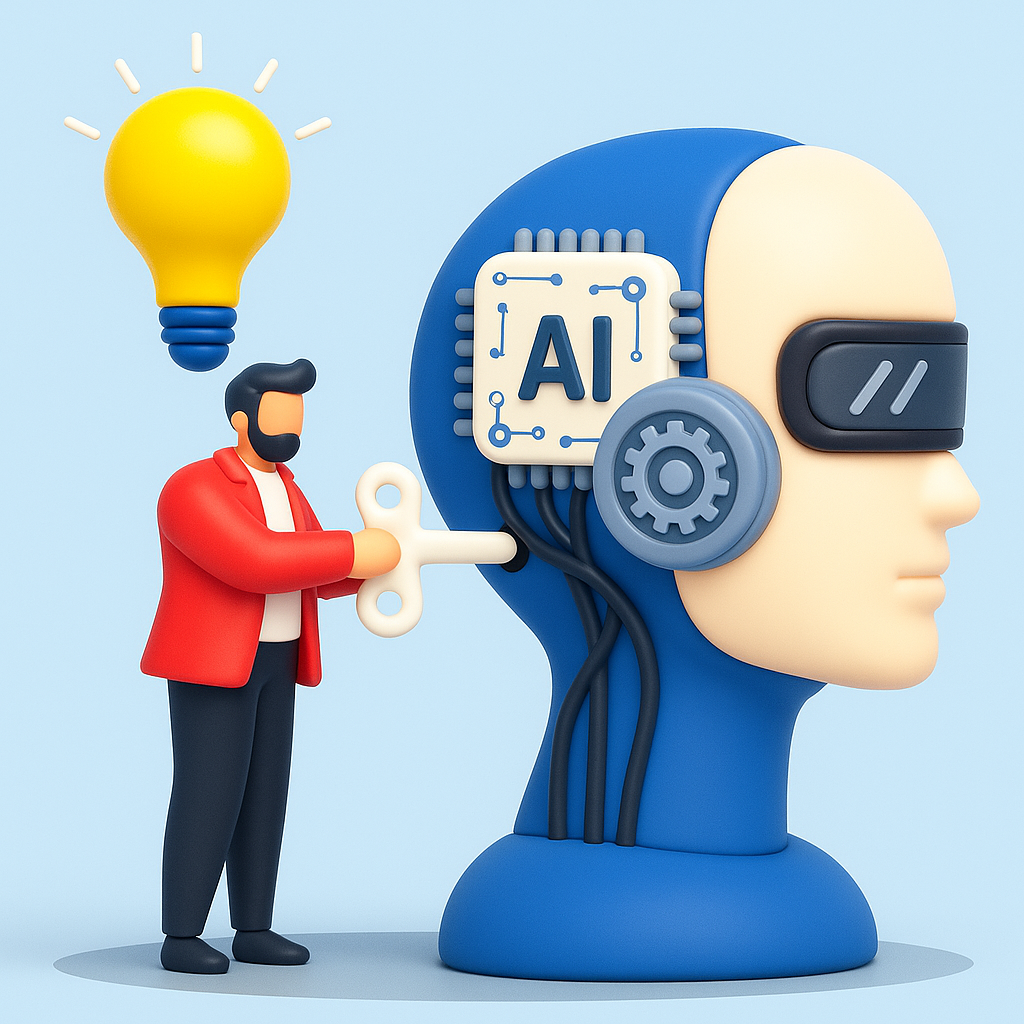
    B2B Marketing Automation: What It Is in 2025 reflects how far digital marketing has evolved in response to complex buyer journeys, data-driven decision-making, and rising expectations for personalization. In 2025, marketing automation is no longer just about sending scheduled emails—it is a strategic system that aligns marketing, sales, and customer experience through intelligent technology.

    1. Definition of B2B Marketing Automation in 2025
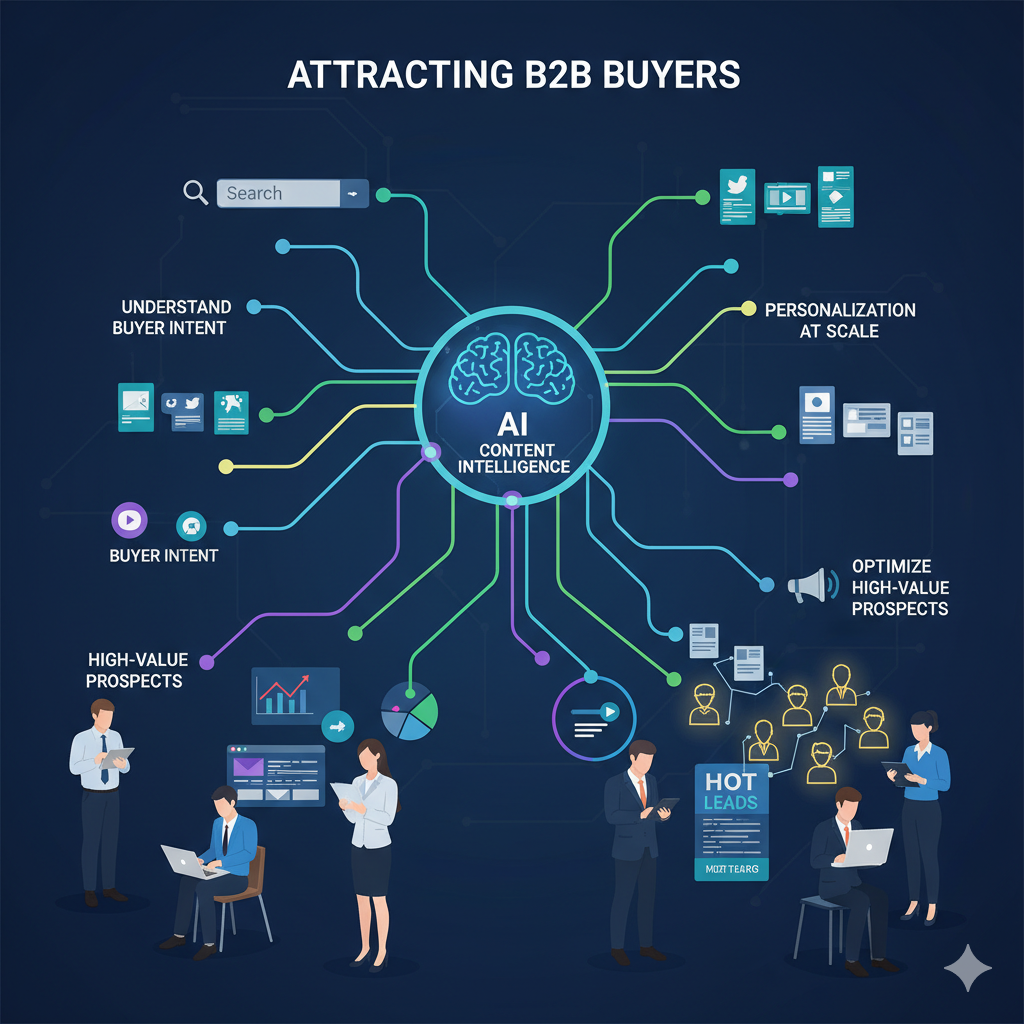
    B2B marketing automation in 2025 refers to the use of AI-powered platforms and integrated tools to manage, personalize, and optimize marketing activities across multiple channels.
    It automates repetitive tasks while using real-time data and predictive analytics to deliver relevant content, nurture leads, and support revenue growth throughout the buyer lifecycle.

    2. AI-Driven Personalization at Scale
    Modern B2B buyers expect tailored experiences.
    In 2025, marketing automation platforms leverage artificial intelligence to analyze behavior, intent data, and engagement patterns. This allows marketers to deliver highly personalized messaging across email, websites, social media, and paid channels—without manual effort.

    3. Omnichannel Campaign Orchestration
    B2B marketing automation is no longer limited to email campaigns.
    Today’s platforms coordinate messaging across multiple touchpoints, including websites, webinars, mobile, CRM systems, and sales outreach. This ensures consistent and timely communication at every stage of the buyer journey.

    4. Advanced Lead Scoring and Nurturing
    In 2025, lead scoring is dynamic and predictive rather than static.
    Automation systems continuously update lead scores based on behavior, engagement, and intent signals. This helps sales teams focus on high-quality prospects while marketing automation nurtures leads with relevant content until they are ready to convert.

    5. Stronger Sales and Marketing Alignment
    B2B marketing automation now plays a central role in aligning marketing and sales teams.
    Shared dashboards, real-time alerts, and CRM integration ensure both teams have a unified view of prospects, enabling faster follow-ups and more effective conversations.

    6. Data Privacy and Compliance Built In
    With stricter data privacy regulations, automation platforms in 2025 are designed with compliance in mind.
    Consent management, secure data handling, and transparent data usage are now standard features, helping businesses build trust while maintaining regulatory compliance.


    Conclusion
    B2B Marketing Automation: What It Is in 2025 represents a shift from task-based automation to intelligent, customer-centric systems. By combining AI, data, and omnichannel execution, marketing automation has become essential for scaling B2B growth, improving efficiency, and delivering meaningful buyer experiences in a competitive digital landscape.

    know more.

    Hashtags
    #B2BMarketing
    #MarketingAutomation
    #DigitalMarketing2025
    #MarTech
    #AIinMarketing
    B2B Marketing Automation: What It Is in 2025 B2B Marketing Automation: What It Is in 2025 reflects how far digital marketing has evolved in response to complex buyer journeys, data-driven decision-making, and rising expectations for personalization. In 2025, marketing automation is no longer just about sending scheduled emails—it is a strategic system that aligns marketing, sales, and customer experience through intelligent technology. 1. Definition of B2B Marketing Automation in 2025 B2B marketing automation in 2025 refers to the use of AI-powered platforms and integrated tools to manage, personalize, and optimize marketing activities across multiple channels. It automates repetitive tasks while using real-time data and predictive analytics to deliver relevant content, nurture leads, and support revenue growth throughout the buyer lifecycle. 2. AI-Driven Personalization at Scale Modern B2B buyers expect tailored experiences. In 2025, marketing automation platforms leverage artificial intelligence to analyze behavior, intent data, and engagement patterns. This allows marketers to deliver highly personalized messaging across email, websites, social media, and paid channels—without manual effort. 3. Omnichannel Campaign Orchestration B2B marketing automation is no longer limited to email campaigns. Today’s platforms coordinate messaging across multiple touchpoints, including websites, webinars, mobile, CRM systems, and sales outreach. This ensures consistent and timely communication at every stage of the buyer journey. 4. Advanced Lead Scoring and Nurturing In 2025, lead scoring is dynamic and predictive rather than static. Automation systems continuously update lead scores based on behavior, engagement, and intent signals. This helps sales teams focus on high-quality prospects while marketing automation nurtures leads with relevant content until they are ready to convert. 5. Stronger Sales and Marketing Alignment B2B marketing automation now plays a central role in aligning marketing and sales teams. Shared dashboards, real-time alerts, and CRM integration ensure both teams have a unified view of prospects, enabling faster follow-ups and more effective conversations. 6. Data Privacy and Compliance Built In With stricter data privacy regulations, automation platforms in 2025 are designed with compliance in mind. Consent management, secure data handling, and transparent data usage are now standard features, helping businesses build trust while maintaining regulatory compliance. Conclusion B2B Marketing Automation: What It Is in 2025 represents a shift from task-based automation to intelligent, customer-centric systems. By combining AI, data, and omnichannel execution, marketing automation has become essential for scaling B2B growth, improving efficiency, and delivering meaningful buyer experiences in a competitive digital landscape. know more. Hashtags #B2BMarketing #MarketingAutomation #DigitalMarketing2025 #MarTech #AIinMarketing
    0 Комментарии 0 Поделились
  • Unlocking B2B Growth: Effective Hyper-Personalization Strategies for Success
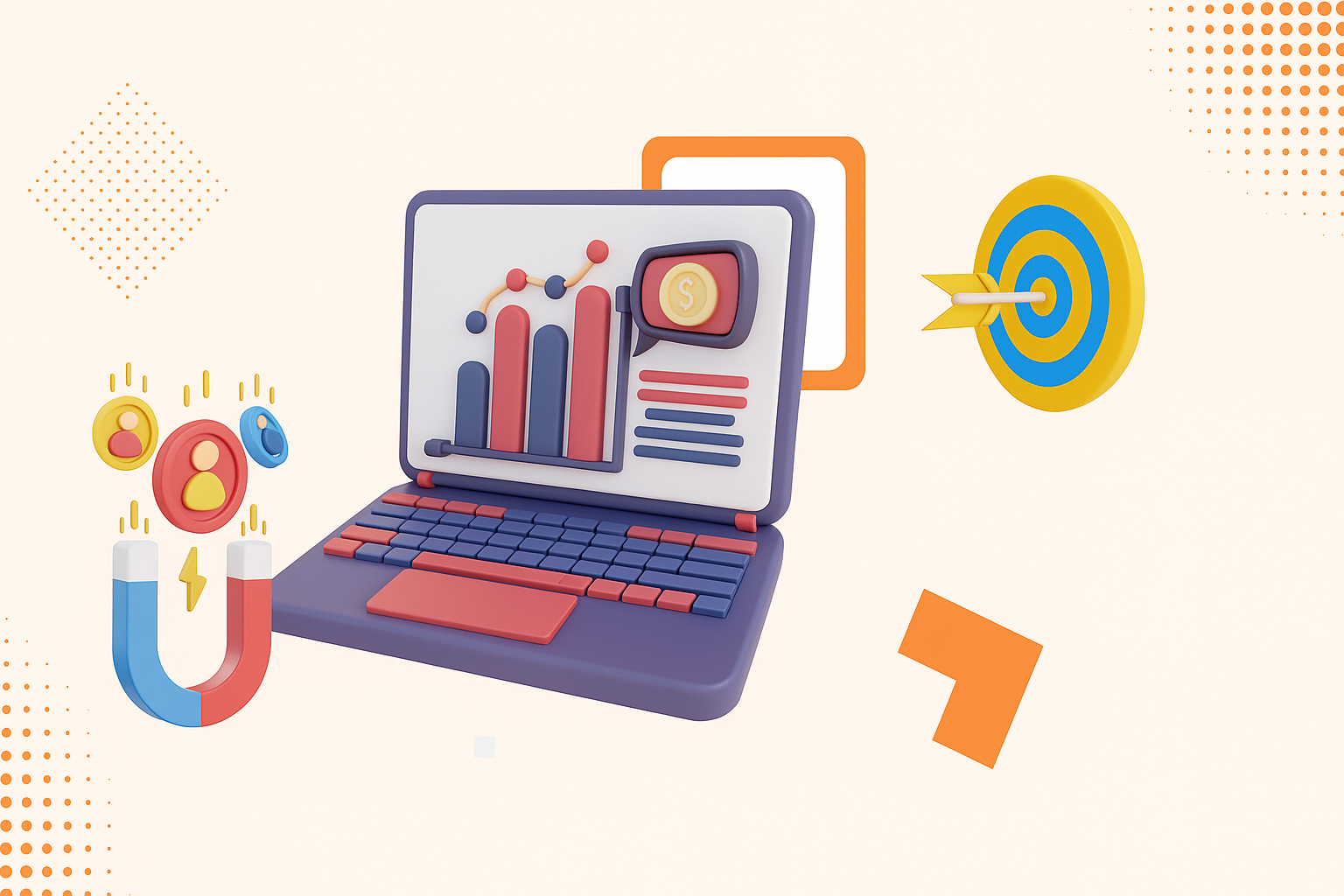
    Hyper-personalization has become one of the most powerful growth drivers in modern B2B marketing. As buyers grow more selective and expect tailored experiences, businesses that personalize every touchpoint gain a clear competitive edge. This blog breaks down how hyper-personalization accelerates B2B growth, along with practical strategies you can implement immediately.

    Why Hyper-Personalization Matters in B2B
    B2B buyers engage with multiple channels, compare options carefully, and expect brands to understand their needs. Hyper-personalization uses real-time data, behavioral insights, and AI to deliver highly relevant messages, offers, and experiences.

    This not only increases engagement but also drives conversions, customer loyalty, and long-term growth.

    1. Leverage First-Party Data for Precision Targeting
    First-party data is the foundation of effective hyper-personalization. It includes website interactions, email engagement, product usage, and CRM information.

    Pointers:

    Collect insights from website visits, demo requests, and content downloads

    Track behavioral patterns to understand buyer intent

    Integrate CRM, marketing automation, and analytics platforms

    Use real-time data to trigger personalized campaigns

    A strong first-party data strategy ensures you’re targeting prospects accurately and tailoring messages to their journey stage.

    2. Develop Account-Based Marketing (ABM) Frameworks
    ABM elevates hyper-personalization by focusing on high-value accounts with tailored campaigns.

    Pointers:

    Identify high-potential accounts based on revenue, scalability, or strategic alignment

    Deliver personalized content for each decision-maker in the account

    Customize landing pages, email sequences, and ads

    Use intent data to time your outreach

    ABM transforms generic marketing into high-touch, relevant communication that resonates with top-tier prospects.

    3. Personalize Your Content Journey Across All Channels
    To succeed in hyper-personalization, your content must speak directly to the buyer’s challenges.

    Pointers:

    Create role-specific and industry-specific content

    Build personalized nurture tracks in email workflows

    Use dynamic content blocks on websites and landing pages

    Offer tailored lead magnets like ROI calculators or industry reports

    By aligning content to buyer personas, you strengthen engagement and guide leads through the funnel more effectively.

    4. Use AI and Automation to Deliver Real-Time Experiences
    AI-driven personalization helps deliver timely, contextual, and hyper-relevant experiences.

    Pointers:

    Deploy AI chatbots to provide instant personalized support

    Use predictive analytics to recommend products, services, or content

    Automate email workflows based on behavioral triggers

    Tailor website experiences for each returning visitor

    AI enables businesses to scale personalization without overwhelming marketing teams.

    5. Tailor Sales Outreach with Behavioral Insights
    Sales teams benefit heavily from hyper-personalization when outreach is customized using real-time insights.

    Pointers:

    Use engagement history (email opens, page views, document downloads) to guide conversations

    Personalize outreach based on buyer pain points and company updates

    Send tailored proposals and micro-demos

    Coordinate marketing and sales insights for seamless communication

    Personalized sales efforts significantly increase meeting booking rates and deal closures.


    know more.

    Hashtags
    #B2BGrowth #HyperPersonalization #ABM #MarketingStrategy #DigitalMarketing
    Unlocking B2B Growth: Effective Hyper-Personalization Strategies for Success Hyper-personalization has become one of the most powerful growth drivers in modern B2B marketing. As buyers grow more selective and expect tailored experiences, businesses that personalize every touchpoint gain a clear competitive edge. This blog breaks down how hyper-personalization accelerates B2B growth, along with practical strategies you can implement immediately. Why Hyper-Personalization Matters in B2B B2B buyers engage with multiple channels, compare options carefully, and expect brands to understand their needs. Hyper-personalization uses real-time data, behavioral insights, and AI to deliver highly relevant messages, offers, and experiences. This not only increases engagement but also drives conversions, customer loyalty, and long-term growth. 1. Leverage First-Party Data for Precision Targeting First-party data is the foundation of effective hyper-personalization. It includes website interactions, email engagement, product usage, and CRM information. Pointers: Collect insights from website visits, demo requests, and content downloads Track behavioral patterns to understand buyer intent Integrate CRM, marketing automation, and analytics platforms Use real-time data to trigger personalized campaigns A strong first-party data strategy ensures you’re targeting prospects accurately and tailoring messages to their journey stage. 2. Develop Account-Based Marketing (ABM) Frameworks ABM elevates hyper-personalization by focusing on high-value accounts with tailored campaigns. Pointers: Identify high-potential accounts based on revenue, scalability, or strategic alignment Deliver personalized content for each decision-maker in the account Customize landing pages, email sequences, and ads Use intent data to time your outreach ABM transforms generic marketing into high-touch, relevant communication that resonates with top-tier prospects. 3. Personalize Your Content Journey Across All Channels To succeed in hyper-personalization, your content must speak directly to the buyer’s challenges. Pointers: Create role-specific and industry-specific content Build personalized nurture tracks in email workflows Use dynamic content blocks on websites and landing pages Offer tailored lead magnets like ROI calculators or industry reports By aligning content to buyer personas, you strengthen engagement and guide leads through the funnel more effectively. 4. Use AI and Automation to Deliver Real-Time Experiences AI-driven personalization helps deliver timely, contextual, and hyper-relevant experiences. Pointers: Deploy AI chatbots to provide instant personalized support Use predictive analytics to recommend products, services, or content Automate email workflows based on behavioral triggers Tailor website experiences for each returning visitor AI enables businesses to scale personalization without overwhelming marketing teams. 5. Tailor Sales Outreach with Behavioral Insights Sales teams benefit heavily from hyper-personalization when outreach is customized using real-time insights. Pointers: Use engagement history (email opens, page views, document downloads) to guide conversations Personalize outreach based on buyer pain points and company updates Send tailored proposals and micro-demos Coordinate marketing and sales insights for seamless communication Personalized sales efforts significantly increase meeting booking rates and deal closures. know more. Hashtags #B2BGrowth #HyperPersonalization #ABM #MarketingStrategy #DigitalMarketing
    0 Комментарии 0 Поделились

  • Lead Generation vs Growth Marketing: What’s the Difference and Why It Matters in 2029

    In 2025, B2B marketers face a critical question: is your strategy designed to generate leads—or to drive growth? While these terms are often used interchangeably, they represent two very different approaches. Understanding this difference can determine whether your business merely fills a pipeline or builds a sustainable, scalable revenue engine.
    1️⃣ Lead Generation: The Art of Filling the Funnel
    Traditional lead generation focuses on one thing — capturing contacts. The goal is simple: attract prospects, get them to fill out a form, and hand those leads off to sales.
    It’s transactional and measurable — MQLs, email sign-ups, downloads — but it often ends there. While this model delivers short-term wins, it doesn’t always create long-term relationships or customer loyalty.
    In 2025, the problem is noise. Buyers are flooded with lead magnets, outreach emails, and generic offers. Capturing attention is no longer enough; keeping it is what drives true ROI.
    Lead gen still matters, but it must evolve. Smart marketers now use AI and intent data to identify high-fit leads before outreach, ensuring quality over quantity.
    2️⃣ Growth Marketing: The Engine of Sustainable Revenue
    Growth marketing goes far beyond lead capture — it’s about optimizing the entire customer journey. It blends data science, automation, and experimentation to drive continuous growth across acquisition, engagement, retention, and expansion.
    Think of it as a full-funnel strategy fueled by constant learning. Growth marketers test messages, channels, and content in real time to find what truly converts and scales.
    In 2025, AI-driven analytics and predictive models have made growth marketing even more powerful. Tools can now forecast conversion probabilities, personalize experiences dynamically, and recommend next-best actions for each account.
    Key difference:
    • Lead Gen = Fill the pipeline.
    • Growth Marketing = Accelerate the pipeline and maximize lifetime value.
    3️⃣ Why It Matters in 2025
    Today’s B2B buyers are more empowered, independent, and skeptical than ever. They expect relevance, speed, and value—not just another follow-up email.
    Companies that cling to lead gen alone risk stagnation. Those embracing growth marketing leverage AI, automation, and intent insights to move from transactional tactics to scalable, data-driven ecosystems.
    Instead of chasing leads, they build communities. Instead of counting conversions, they measure revenue influence and retention.
    4️⃣ The Winning Formula: Marry Lead Gen with Growth Thinking
    You don’t have to abandon lead gen — you just have to elevate it.
    Integrate AI-powered targeting, predictive nurturing, and personalized ABM experiences. Treat every touchpoint as part of a continuous feedback loop that feeds future growth.
    In 2025, success belongs to teams that think beyond leads and build growth systems that adapt, learn, and scale automatically.
    Read More: https://intentamplify.com/b2b-marketing/lead-generation-vs-growth-marketing-definition-goals-tactics-and-trends/
    Lead Generation vs Growth Marketing: What’s the Difference and Why It Matters in 2029 In 2025, B2B marketers face a critical question: is your strategy designed to generate leads—or to drive growth? While these terms are often used interchangeably, they represent two very different approaches. Understanding this difference can determine whether your business merely fills a pipeline or builds a sustainable, scalable revenue engine. 1️⃣ Lead Generation: The Art of Filling the Funnel Traditional lead generation focuses on one thing — capturing contacts. The goal is simple: attract prospects, get them to fill out a form, and hand those leads off to sales. It’s transactional and measurable — MQLs, email sign-ups, downloads — but it often ends there. While this model delivers short-term wins, it doesn’t always create long-term relationships or customer loyalty. In 2025, the problem is noise. Buyers are flooded with lead magnets, outreach emails, and generic offers. Capturing attention is no longer enough; keeping it is what drives true ROI. Lead gen still matters, but it must evolve. Smart marketers now use AI and intent data to identify high-fit leads before outreach, ensuring quality over quantity. 2️⃣ Growth Marketing: The Engine of Sustainable Revenue Growth marketing goes far beyond lead capture — it’s about optimizing the entire customer journey. It blends data science, automation, and experimentation to drive continuous growth across acquisition, engagement, retention, and expansion. Think of it as a full-funnel strategy fueled by constant learning. Growth marketers test messages, channels, and content in real time to find what truly converts and scales. In 2025, AI-driven analytics and predictive models have made growth marketing even more powerful. Tools can now forecast conversion probabilities, personalize experiences dynamically, and recommend next-best actions for each account. Key difference: • Lead Gen = Fill the pipeline. • Growth Marketing = Accelerate the pipeline and maximize lifetime value. 3️⃣ Why It Matters in 2025 Today’s B2B buyers are more empowered, independent, and skeptical than ever. They expect relevance, speed, and value—not just another follow-up email. Companies that cling to lead gen alone risk stagnation. Those embracing growth marketing leverage AI, automation, and intent insights to move from transactional tactics to scalable, data-driven ecosystems. Instead of chasing leads, they build communities. Instead of counting conversions, they measure revenue influence and retention. 4️⃣ The Winning Formula: Marry Lead Gen with Growth Thinking You don’t have to abandon lead gen — you just have to elevate it. Integrate AI-powered targeting, predictive nurturing, and personalized ABM experiences. Treat every touchpoint as part of a continuous feedback loop that feeds future growth. In 2025, success belongs to teams that think beyond leads and build growth systems that adapt, learn, and scale automatically. Read More: https://intentamplify.com/b2b-marketing/lead-generation-vs-growth-marketing-definition-goals-tactics-and-trends/
    0 Комментарии 0 Поделились
  • The Ultimate Guide to B2B Demand Generation in 2030

    In 2025, B2B demand generation has evolved beyond simple lead capture — it’s about orchestrating intelligent, hyper-personalized buyer journeys powered by AI, intent data, and automation. The days of mass email blasts and cold outreach are over. Today’s B2B buyers expect relevance, context, and authenticity — and companies that deliver it are the ones winning pipeline and market share.
    Here’s how the modern demand generation landscape is transforming and how you can future-proof your strategy.
    1️⃣ Intent Data: Knowing Buyers Before They Know You
    The foundation of next-gen demand gen is intent intelligence — the ability to identify when and why a company is in-market.
    AI systems now track behavioral, firmographic, and technographic signals across the web — from content engagement to review site activity — to pinpoint potential buyers before they fill out a form.
    Action Step:
    Use platforms like Bombora, 6sense, or Demandbase to surface real-time buying signals. Then, align your content and outreach with those high-intent moments for maximum impact.
    2️⃣ Hyper-Personalized Content Journeys
    Generic eBooks and gated PDFs don’t cut it anymore. In 2025, B2B buyers want content that feels made for them — personalized by role, industry, and intent stage.
    AI content engines now craft dynamic assets — landing pages, emails, and ads — that adapt based on audience behavior and buying context.
    Action Step:
    Build a modular content library and leverage AI tools like Jasper or Writer to personalize at scale. Let your content evolve automatically with each buyer interaction.
    3️⃣ The Rise of Predictive Lead Scoring
    Forget static lead scoring models. Modern B2B marketers are turning to predictive AI models that evaluate historical conversions, behavioral signals, and engagement patterns to rank leads based on actual deal potential.
    Action Step:
    Integrate predictive scoring into your CRM. This ensures your sales team focuses only on leads with true revenue potential — not just form-fillers.
    4️⃣ Account-Based Everything (ABX)
    ABM has matured into ABX — Account-Based Experience — where every touchpoint, from ads to follow-ups, is orchestrated to deliver consistent value.
    AI automates personalization across channels, ensuring each account gets a seamless, tailored journey.
    Action Step:
    Use unified orchestration platforms like Terminus or RollWorks to synchronize marketing, sales, and customer success efforts around target accounts.
    5️⃣ Conversational and Interactive Engagement
    Static CTAs are giving way to AI chatbots, voice assistants, and interactive tools that engage buyers in real time. These tools not only capture leads but also qualify and nurture them instantly.
    Action Step:
    Deploy conversational AI on your website and LinkedIn. Make interactions two-way — not one-sided pitches.
    6️⃣ Measuring the Full Funnel
    2025 demand gen isn’t about vanity metrics. It’s about pipeline velocity, revenue influence, and ROI clarity.
    AI-driven analytics tools now trace the buyer’s journey across multiple channels, accurately attributing revenue to touchpoints.
    Action Step:
    Adopt multi-touch attribution and track key KPIs like MQL-to-SQL conversion, customer acquisition cost (CAC), and lifetime value (LTV).
    Read More: https://intentamplify.com/blog/all-you-need-to-know-about-demand-generation/
    The Ultimate Guide to B2B Demand Generation in 2030 In 2025, B2B demand generation has evolved beyond simple lead capture — it’s about orchestrating intelligent, hyper-personalized buyer journeys powered by AI, intent data, and automation. The days of mass email blasts and cold outreach are over. Today’s B2B buyers expect relevance, context, and authenticity — and companies that deliver it are the ones winning pipeline and market share. Here’s how the modern demand generation landscape is transforming and how you can future-proof your strategy. 1️⃣ Intent Data: Knowing Buyers Before They Know You The foundation of next-gen demand gen is intent intelligence — the ability to identify when and why a company is in-market. AI systems now track behavioral, firmographic, and technographic signals across the web — from content engagement to review site activity — to pinpoint potential buyers before they fill out a form. Action Step: Use platforms like Bombora, 6sense, or Demandbase to surface real-time buying signals. Then, align your content and outreach with those high-intent moments for maximum impact. 2️⃣ Hyper-Personalized Content Journeys Generic eBooks and gated PDFs don’t cut it anymore. In 2025, B2B buyers want content that feels made for them — personalized by role, industry, and intent stage. AI content engines now craft dynamic assets — landing pages, emails, and ads — that adapt based on audience behavior and buying context. Action Step: Build a modular content library and leverage AI tools like Jasper or Writer to personalize at scale. Let your content evolve automatically with each buyer interaction. 3️⃣ The Rise of Predictive Lead Scoring Forget static lead scoring models. Modern B2B marketers are turning to predictive AI models that evaluate historical conversions, behavioral signals, and engagement patterns to rank leads based on actual deal potential. Action Step: Integrate predictive scoring into your CRM. This ensures your sales team focuses only on leads with true revenue potential — not just form-fillers. 4️⃣ Account-Based Everything (ABX) ABM has matured into ABX — Account-Based Experience — where every touchpoint, from ads to follow-ups, is orchestrated to deliver consistent value. AI automates personalization across channels, ensuring each account gets a seamless, tailored journey. Action Step: Use unified orchestration platforms like Terminus or RollWorks to synchronize marketing, sales, and customer success efforts around target accounts. 5️⃣ Conversational and Interactive Engagement Static CTAs are giving way to AI chatbots, voice assistants, and interactive tools that engage buyers in real time. These tools not only capture leads but also qualify and nurture them instantly. Action Step: Deploy conversational AI on your website and LinkedIn. Make interactions two-way — not one-sided pitches. 6️⃣ Measuring the Full Funnel 2025 demand gen isn’t about vanity metrics. It’s about pipeline velocity, revenue influence, and ROI clarity. AI-driven analytics tools now trace the buyer’s journey across multiple channels, accurately attributing revenue to touchpoints. Action Step: Adopt multi-touch attribution and track key KPIs like MQL-to-SQL conversion, customer acquisition cost (CAC), and lifetime value (LTV). Read More: https://intentamplify.com/blog/all-you-need-to-know-about-demand-generation/
    0 Комментарии 0 Поделились
  • LinkedIn Demand Generation in 2025: How Smart B2B Brands Are Winning Attention

    In 2025, LinkedIn isn’t just a professional networking site—it’s the epicenter of B2B demand generation. With over a billion users and increasingly advanced ad tools powered by AI, LinkedIn has evolved into a full-funnel platform where brands can build awareness, nurture relationships, and convert high-value prospects.
    But with so much content competing for attention, the real challenge isn’t visibility—it’s relevance. The smartest B2B brands are no longer shouting louder; they’re speaking smarter, using insights, personalization, and storytelling to win attention and trust.
    Here’s how they’re doing it.
    1️⃣ Audience Intelligence: Precision Over Volume
    Gone are the days of broad targeting. Winning brands in 2025 use AI-driven audience segmentation to pinpoint decision-makers who are actually in-market.
    Using tools like LinkedIn Predictive Audiences, 6sense, and Demandbase, marketers combine firmographic, behavioral, and intent data to identify prospects researching specific pain points.
    The result?
    🎯 Fewer wasted impressions and dramatically higher engagement.
    2️⃣ Thought Leadership That Feels Human
    On LinkedIn, people follow people—not logos.
    B2B companies are shifting from faceless brand posts to authentic, human-led storytelling.
    Executives, founders, and subject-matter experts are becoming micro-influencers who share insights, lessons, and real stories—not sales pitches.
    Posts that perform best in 2025 are:
    • Opinion-driven (“Here’s what no one tells you about scaling AI in B2B...”)
    • Narrative-based (“How we lost a client—and what it taught us about retention”)
    • Visual-first (carousel posts, short videos, or polls for quick engagement)
    Authenticity has replaced advertising.
    3️⃣ Full-Funnel Ad Strategies
    LinkedIn Ads are more powerful than ever—but only if you treat them like a journey, not a transaction.
    Smart brands build multi-touch campaigns across the funnel:
    • Awareness: Sponsored videos and thought leadership content
    • Consideration: Case studies, whitepapers, and webinars
    • Decision: Personalized demos, ROI calculators, and testimonials
    The magic lies in retargeting—serving the right message at the right stage, powered by AI-driven dynamic audiences.
    4️⃣ Community Building Over Campaigning
    The best B2B brands don’t chase clicks—they build communities of trust.
    In 2025, company pages are evolving into learning hubs with consistent value-driven content, active discussions, and collaborations with industry creators.
    Tactics that drive results include:
    • Hosting LinkedIn Live sessions with thought leaders
    • Creating exclusive groups or newsletters
    • Responding actively to comments to boost visibility and engagement
    These micro-communities nurture long-term relationships far beyond ad campaigns.
    5️⃣ Content Personalization at Scale
    Generative AI now enables marketers to personalize LinkedIn messages, InMail sequences, and ad copy in seconds—without losing the human touch.
    Brands are using AI tools to:
    • Customize outreach based on buyer persona and intent
    • Auto-generate tailored visuals and messaging
    • A/B test creatives for tone, emotion, and engagement
    This hyper-personalization has made LinkedIn content feel conversational, not corporate.
    Read More: https://intentamplify.com/blog/linkedin-lead-generation-in-2025-the-strategic-advantage-for-b2b-marketers/
    LinkedIn Demand Generation in 2025: How Smart B2B Brands Are Winning Attention In 2025, LinkedIn isn’t just a professional networking site—it’s the epicenter of B2B demand generation. With over a billion users and increasingly advanced ad tools powered by AI, LinkedIn has evolved into a full-funnel platform where brands can build awareness, nurture relationships, and convert high-value prospects. But with so much content competing for attention, the real challenge isn’t visibility—it’s relevance. The smartest B2B brands are no longer shouting louder; they’re speaking smarter, using insights, personalization, and storytelling to win attention and trust. Here’s how they’re doing it. 1️⃣ Audience Intelligence: Precision Over Volume Gone are the days of broad targeting. Winning brands in 2025 use AI-driven audience segmentation to pinpoint decision-makers who are actually in-market. Using tools like LinkedIn Predictive Audiences, 6sense, and Demandbase, marketers combine firmographic, behavioral, and intent data to identify prospects researching specific pain points. The result? 🎯 Fewer wasted impressions and dramatically higher engagement. 2️⃣ Thought Leadership That Feels Human On LinkedIn, people follow people—not logos. B2B companies are shifting from faceless brand posts to authentic, human-led storytelling. Executives, founders, and subject-matter experts are becoming micro-influencers who share insights, lessons, and real stories—not sales pitches. Posts that perform best in 2025 are: • Opinion-driven (“Here’s what no one tells you about scaling AI in B2B...”) • Narrative-based (“How we lost a client—and what it taught us about retention”) • Visual-first (carousel posts, short videos, or polls for quick engagement) Authenticity has replaced advertising. 3️⃣ Full-Funnel Ad Strategies LinkedIn Ads are more powerful than ever—but only if you treat them like a journey, not a transaction. Smart brands build multi-touch campaigns across the funnel: • Awareness: Sponsored videos and thought leadership content • Consideration: Case studies, whitepapers, and webinars • Decision: Personalized demos, ROI calculators, and testimonials The magic lies in retargeting—serving the right message at the right stage, powered by AI-driven dynamic audiences. 4️⃣ Community Building Over Campaigning The best B2B brands don’t chase clicks—they build communities of trust. In 2025, company pages are evolving into learning hubs with consistent value-driven content, active discussions, and collaborations with industry creators. Tactics that drive results include: • Hosting LinkedIn Live sessions with thought leaders • Creating exclusive groups or newsletters • Responding actively to comments to boost visibility and engagement These micro-communities nurture long-term relationships far beyond ad campaigns. 5️⃣ Content Personalization at Scale Generative AI now enables marketers to personalize LinkedIn messages, InMail sequences, and ad copy in seconds—without losing the human touch. Brands are using AI tools to: • Customize outreach based on buyer persona and intent • Auto-generate tailored visuals and messaging • A/B test creatives for tone, emotion, and engagement This hyper-personalization has made LinkedIn content feel conversational, not corporate. Read More: https://intentamplify.com/blog/linkedin-lead-generation-in-2025-the-strategic-advantage-for-b2b-marketers/
    0 Комментарии 0 Поделились
  • How to Choose the Perfect Webinar Topic: Follow These Steps

    Webinars have become one of the most powerful tools in modern B2B marketing—helping brands educate, engage, and convert audiences in real time. But the success of your webinar hinges on one critical factor: the topic. The right topic attracts your ideal audience, establishes thought leadership, and drives measurable results. The wrong one? It leads to low attendance, poor engagement, and wasted effort.
    Here’s a step-by-step guide to choosing a winning webinar topic that resonates with your target audience and supports your business goals.
    1️⃣ Know Your Audience Inside Out
    Start by understanding who your audience is and what they care about.
    Ask yourself:
    • What are their biggest challenges right now?
    • What trends or changes are shaping their industries?
    • Which questions do they frequently ask your sales or customer success teams?
    Use insights from customer interviews, social media polls, and intent data to uncover recurring pain points. A great topic starts where your audience’s problems meet your brand’s expertise.
    2️⃣ Align with Your Business Objectives
    Every webinar should serve a purpose—whether it’s lead generation, customer education, or product awareness.
    Your topic should tie directly to your marketing and sales goals, such as:
    • Introducing a new product or feature
    • Nurturing mid-funnel leads with actionable insights
    • Positioning your brand as a thought leader in your niche
    When your topic supports both your audience’s needs and your company’s strategy, engagement naturally follows.
    3️⃣ Identify Gaps in the Market
    Analyze what your competitors are talking about—and, more importantly, what they’re not.
    Look for content gaps where you can add a fresh perspective or address an emerging trend. Tools like BuzzSumo, Google Trends, or Semrush can help identify high-interest topics that haven’t yet been saturated.
    Pro tip: Combine a trending topic with your brand’s unique expertise to create a distinct angle no one else is offering.
    4️⃣ Choose Actionable, Value-Driven Themes
    Webinar attendees crave practical value—not vague theories. Focus on educational, how-to, or solution-based topics like:
    • “How AI Can Boost Your Lead Conversion by 50%”
    • “The 2025 Playbook for Account-Based Marketing”
    • “Top Mistakes to Avoid When Scaling B2B SaaS Sales”
    The more actionable your topic, the more likely participants will register—and stay engaged throughout.
    5️⃣ Validate with Data
    Before finalizing your topic, test it.
    Send short surveys to your audience, post polls on LinkedIn, or analyze engagement metrics from previous campaigns.
    If one idea consistently gets clicks, comments, or shares, it’s a clear signal that your audience wants to learn more about it.
    6️⃣ Collaborate with Industry Experts
    Partnering with a credible voice—like an industry analyst, client, or influencer—adds instant authority and reach.
    Co-hosting a webinar around a shared topic not only boosts attendance but also strengthens your brand’s credibility.
    7️⃣ Keep It Timely and Relevant
    The best webinar topics tap into current events, emerging trends, or seasonal opportunities.
    Stay agile and update your topic strategy regularly to reflect what’s top-of-mind for your audience today—not last quarter.
    🎯 The Takeaway
    The perfect webinar topic lies at the intersection of audience interest, brand expertise, and market demand.
    By combining research, validation, and creativity, you can craft topics that attract high-intent attendees, build trust, and drive meaningful conversions.
    Remember: your audience isn’t just looking for information—they’re looking for insights that help them take the next step.
    Read More: https://intentamplify.com/blog/webinar-topic/
    How to Choose the Perfect Webinar Topic: Follow These Steps Webinars have become one of the most powerful tools in modern B2B marketing—helping brands educate, engage, and convert audiences in real time. But the success of your webinar hinges on one critical factor: the topic. The right topic attracts your ideal audience, establishes thought leadership, and drives measurable results. The wrong one? It leads to low attendance, poor engagement, and wasted effort. Here’s a step-by-step guide to choosing a winning webinar topic that resonates with your target audience and supports your business goals. 1️⃣ Know Your Audience Inside Out Start by understanding who your audience is and what they care about. Ask yourself: • What are their biggest challenges right now? • What trends or changes are shaping their industries? • Which questions do they frequently ask your sales or customer success teams? Use insights from customer interviews, social media polls, and intent data to uncover recurring pain points. A great topic starts where your audience’s problems meet your brand’s expertise. 2️⃣ Align with Your Business Objectives Every webinar should serve a purpose—whether it’s lead generation, customer education, or product awareness. Your topic should tie directly to your marketing and sales goals, such as: • Introducing a new product or feature • Nurturing mid-funnel leads with actionable insights • Positioning your brand as a thought leader in your niche When your topic supports both your audience’s needs and your company’s strategy, engagement naturally follows. 3️⃣ Identify Gaps in the Market Analyze what your competitors are talking about—and, more importantly, what they’re not. Look for content gaps where you can add a fresh perspective or address an emerging trend. Tools like BuzzSumo, Google Trends, or Semrush can help identify high-interest topics that haven’t yet been saturated. Pro tip: Combine a trending topic with your brand’s unique expertise to create a distinct angle no one else is offering. 4️⃣ Choose Actionable, Value-Driven Themes Webinar attendees crave practical value—not vague theories. Focus on educational, how-to, or solution-based topics like: • “How AI Can Boost Your Lead Conversion by 50%” • “The 2025 Playbook for Account-Based Marketing” • “Top Mistakes to Avoid When Scaling B2B SaaS Sales” The more actionable your topic, the more likely participants will register—and stay engaged throughout. 5️⃣ Validate with Data Before finalizing your topic, test it. Send short surveys to your audience, post polls on LinkedIn, or analyze engagement metrics from previous campaigns. If one idea consistently gets clicks, comments, or shares, it’s a clear signal that your audience wants to learn more about it. 6️⃣ Collaborate with Industry Experts Partnering with a credible voice—like an industry analyst, client, or influencer—adds instant authority and reach. Co-hosting a webinar around a shared topic not only boosts attendance but also strengthens your brand’s credibility. 7️⃣ Keep It Timely and Relevant The best webinar topics tap into current events, emerging trends, or seasonal opportunities. Stay agile and update your topic strategy regularly to reflect what’s top-of-mind for your audience today—not last quarter. 🎯 The Takeaway The perfect webinar topic lies at the intersection of audience interest, brand expertise, and market demand. By combining research, validation, and creativity, you can craft topics that attract high-intent attendees, build trust, and drive meaningful conversions. Remember: your audience isn’t just looking for information—they’re looking for insights that help them take the next step. Read More: https://intentamplify.com/blog/webinar-topic/
    0 Комментарии 0 Поделились
  • From ABM to ABX: Crafting Harmonized Customer Journeys That Drive Growth

    From ABM to ABX: Crafting Harmonized Customer Journeys That Drive Growth
    For years, Account-Based Marketing (ABM) has been the gold standard for precision-driven B2B growth — aligning marketing and sales around high-value accounts. But as buyer expectations evolve, personalization alone isn’t enough. The next evolution is here: Account-Based Experience (ABX) — a holistic, customer-centric approach that integrates marketing, sales, and customer success into one unified journey.
    ABX isn’t just about targeting the right accounts. It’s about orchestrating a seamless experience across every touchpoint — from first impression to post-sale engagement.
    1. What Makes ABX Different from ABM
    While ABM focuses on acquisition and conversion, ABX expands that scope to include retention, advocacy, and long-term value.
    • ABM = Campaigns and targeting.
    • ABX = Experiences and relationships.
    ABX treats every interaction — from email outreach to onboarding — as part of a cohesive story. The goal isn’t just to close deals but to build enduring relationships that continuously generate growth.
    2. AI as the Engine of ABX
    The transition from ABM to ABX is fueled by AI and data intelligence. Today’s buyers expect hyper-relevant experiences — and AI makes that possible at scale.
    • Predictive analytics identify not just who’s in-market, but why and when they’re ready to engage.
    • Generative AI creates personalized content and messaging tailored to each stakeholder’s role and pain points.
    • Intent detection tools surface real-time signals from across the web, social platforms, and CRM data, allowing your teams to engage at the perfect moment.
    AI transforms ABX from reactive marketing to proactive engagement — anticipating buyer needs before they’re voiced.
    3. Harmonizing Teams Around the Customer Journey
    ABX works when marketing, sales, and customer success function as one continuous ecosystem.
    • Marketing creates awareness through thought leadership and targeted campaigns.
    • Sales delivers value-driven, consultative interactions aligned with buyer priorities.
    • Customer success ensures post-sale satisfaction, feeding insights back into the ABX loop.
    This alignment eliminates silos and ensures that every touchpoint reinforces the same narrative — one that centers the customer’s goals, not just your product.
    4. Personalization Beyond the Sale
    ABX doesn’t end at conversion. It’s about experience continuity — delivering consistent value throughout the customer lifecycle.
    • Use AI to tailor onboarding flows and learning resources based on customer use cases.
    • Create feedback loops that inform future campaigns and renewals.
    • Deploy sentiment analysis to detect churn risk and act before it’s too late.
    In ABX, post-sale engagement becomes as personalized and data-driven as pre-sale marketing.
    5. Measuring Success in the ABX Era
    Traditional ABM metrics (clicks, conversions, pipeline growth) now merge with experience metrics:
    • Customer lifetime value (CLV)
    • Net promoter score (NPS)
    • Engagement depth across channels
    • Expansion revenue and retention rates
    These metrics reveal not just how well you sell, but how well you serve — the ultimate driver of sustainable growth.
    The Takeaway
    The shift from ABM to ABX marks a paradigm change in B2B marketing — from transactional to transformational. By blending data, AI, and human empathy, companies can craft journeys that feel unified, personal, and purpose-driven.
    In an ABX world, growth doesn’t come from better targeting — it comes from better experiences.
    Read More: https://intentamplify.com/blog/the-symphony-of-account-based-experience-abx-tailored-targeted-transformed/
    From ABM to ABX: Crafting Harmonized Customer Journeys That Drive Growth From ABM to ABX: Crafting Harmonized Customer Journeys That Drive Growth For years, Account-Based Marketing (ABM) has been the gold standard for precision-driven B2B growth — aligning marketing and sales around high-value accounts. But as buyer expectations evolve, personalization alone isn’t enough. The next evolution is here: Account-Based Experience (ABX) — a holistic, customer-centric approach that integrates marketing, sales, and customer success into one unified journey. ABX isn’t just about targeting the right accounts. It’s about orchestrating a seamless experience across every touchpoint — from first impression to post-sale engagement. 1. What Makes ABX Different from ABM While ABM focuses on acquisition and conversion, ABX expands that scope to include retention, advocacy, and long-term value. • ABM = Campaigns and targeting. • ABX = Experiences and relationships. ABX treats every interaction — from email outreach to onboarding — as part of a cohesive story. The goal isn’t just to close deals but to build enduring relationships that continuously generate growth. 2. AI as the Engine of ABX The transition from ABM to ABX is fueled by AI and data intelligence. Today’s buyers expect hyper-relevant experiences — and AI makes that possible at scale. • Predictive analytics identify not just who’s in-market, but why and when they’re ready to engage. • Generative AI creates personalized content and messaging tailored to each stakeholder’s role and pain points. • Intent detection tools surface real-time signals from across the web, social platforms, and CRM data, allowing your teams to engage at the perfect moment. AI transforms ABX from reactive marketing to proactive engagement — anticipating buyer needs before they’re voiced. 3. Harmonizing Teams Around the Customer Journey ABX works when marketing, sales, and customer success function as one continuous ecosystem. • Marketing creates awareness through thought leadership and targeted campaigns. • Sales delivers value-driven, consultative interactions aligned with buyer priorities. • Customer success ensures post-sale satisfaction, feeding insights back into the ABX loop. This alignment eliminates silos and ensures that every touchpoint reinforces the same narrative — one that centers the customer’s goals, not just your product. 4. Personalization Beyond the Sale ABX doesn’t end at conversion. It’s about experience continuity — delivering consistent value throughout the customer lifecycle. • Use AI to tailor onboarding flows and learning resources based on customer use cases. • Create feedback loops that inform future campaigns and renewals. • Deploy sentiment analysis to detect churn risk and act before it’s too late. In ABX, post-sale engagement becomes as personalized and data-driven as pre-sale marketing. 5. Measuring Success in the ABX Era Traditional ABM metrics (clicks, conversions, pipeline growth) now merge with experience metrics: • Customer lifetime value (CLV) • Net promoter score (NPS) • Engagement depth across channels • Expansion revenue and retention rates These metrics reveal not just how well you sell, but how well you serve — the ultimate driver of sustainable growth. The Takeaway The shift from ABM to ABX marks a paradigm change in B2B marketing — from transactional to transformational. By blending data, AI, and human empathy, companies can craft journeys that feel unified, personal, and purpose-driven. In an ABX world, growth doesn’t come from better targeting — it comes from better experiences. Read More: https://intentamplify.com/blog/the-symphony-of-account-based-experience-abx-tailored-targeted-transformed/
    0 Комментарии 0 Поделились
  • How will multimodal AI (voice, video, text) redefine virtual B2B prospecting?

    The way B2B professionals connect, pitch, and build trust is changing fast. In the past, prospecting meant cold emails, templated LinkedIn messages, or lengthy discovery calls. But as digital interactions become more complex and buyers demand authenticity, multimodal AI — systems that understand and generate voice, video, and text simultaneously — is poised to transform virtual B2B prospecting forever.
    This next generation of AI doesn’t just process language — it perceives tone, emotion, facial cues, and context. It’s ushering in a future where sales teams can communicate more naturally, personalize at scale, and build relationships that feel human, not automated.
    1. From Text-Only to Context-Aware Conversations
    Traditional chatbots and AI assistants rely solely on text input. Multimodal AI, however, can interpret voice intonation, visual cues, and written language together — allowing it to respond with emotional intelligence.
    Imagine an AI prospecting assistant that can:
    • Analyze a prospect’s tone in a recorded call to detect interest or hesitation.
    • Adjust follow-up messaging based on facial sentiment (e.g., confusion during a demo).
    • Combine written email insights with verbal feedback to tailor the next outreach.
    This shift makes digital interactions feel less transactional and more relational — bridging the emotional gap often lost in virtual communication.
    2. Hyper-Personalized Outreach Through Multimodal Insights
    AI can now synthesize data from videos, voice calls, and text exchanges to build detailed buyer profiles. For example:
    • Voice analysis can reveal enthusiasm, hesitation, or frustration.
    • Video recognition can identify engagement cues (like nodding or note-taking).
    • Text analysis decodes priorities and decision-making language.
    By merging these signals, multimodal AI creates a 360-degree understanding of each prospect’s communication style, preferences, and buying intent — enabling hyper-personalized outreach that resonates on a human level.
    3. AI-Powered Virtual Sales Assistants
    Tomorrow’s sales reps won’t prospect alone. They’ll work alongside AI co-pilots that can join virtual meetings, summarize discussions, and even suggest real-time adjustments.
    For instance:
    • During a Zoom call, an AI agent could analyze the prospect’s tone and prompt the rep to clarify a point or offer a relevant case study.
    • Afterward, it could automatically draft a personalized recap email summarizing key concerns and next steps.
    These intelligent assistants will handle administrative tasks and emotional analysis simultaneously, freeing human reps to focus on storytelling, empathy, and closing deals.
    4. Automated Video and Voice Outreach at Scale
    Generative AI can now produce synthetic yet natural-sounding voice and video content. Soon, B2B marketers will be able to create personalized video intros or follow-ups — with AI dynamically adjusting the message, tone, and even visual elements for each prospect.
    Example: A SaaS company could send 500 AI-personalized video messages — each greeting the recipient by name, referencing their company, and addressing their pain point — all generated in minutes, not weeks.
    This blends automation with intimacy, turning outreach into an experience rather than a task.
    5. Real-Time Learning and Adaptive Selling
    Multimodal AI thrives on feedback. It can continuously learn from thousands of interactions — which tone performs best, what body language predicts conversion, what phrases increase engagement — and provide data-driven coaching to sales teams.
    This not only improves performance but also ensures consistent, high-quality communication across distributed sales organizations.
    6. A Human-AI Hybrid Future
    The goal of multimodal AI isn’t to replace human sales reps — it’s to enhance human empathy with machine precision. By offloading repetitive tasks, analyzing subtle cues, and generating personalized content, AI allows sales professionals to focus on building real relationships.
    In essence, AI handles the “how” — data, timing, and optimization — while humans drive the “why” — meaning, strategy, and trust.
    The Bottom Line
    Multimodal AI represents the next quantum leap in B2B prospecting — moving beyond cold outreach into emotionally intelligent, adaptive engagement. By combining voice, video, and text, it gives AI the sensory depth to truly understand prospects, not just contact them.
    The result? Smarter prospecting, warmer connections, and a future where every virtual touchpoint feels as genuine as a handshake.
    Read More: https://intentamplify.com/lead-generation/

    How will multimodal AI (voice, video, text) redefine virtual B2B prospecting? The way B2B professionals connect, pitch, and build trust is changing fast. In the past, prospecting meant cold emails, templated LinkedIn messages, or lengthy discovery calls. But as digital interactions become more complex and buyers demand authenticity, multimodal AI — systems that understand and generate voice, video, and text simultaneously — is poised to transform virtual B2B prospecting forever. This next generation of AI doesn’t just process language — it perceives tone, emotion, facial cues, and context. It’s ushering in a future where sales teams can communicate more naturally, personalize at scale, and build relationships that feel human, not automated. 1. From Text-Only to Context-Aware Conversations Traditional chatbots and AI assistants rely solely on text input. Multimodal AI, however, can interpret voice intonation, visual cues, and written language together — allowing it to respond with emotional intelligence. Imagine an AI prospecting assistant that can: • Analyze a prospect’s tone in a recorded call to detect interest or hesitation. • Adjust follow-up messaging based on facial sentiment (e.g., confusion during a demo). • Combine written email insights with verbal feedback to tailor the next outreach. This shift makes digital interactions feel less transactional and more relational — bridging the emotional gap often lost in virtual communication. 2. Hyper-Personalized Outreach Through Multimodal Insights AI can now synthesize data from videos, voice calls, and text exchanges to build detailed buyer profiles. For example: • Voice analysis can reveal enthusiasm, hesitation, or frustration. • Video recognition can identify engagement cues (like nodding or note-taking). • Text analysis decodes priorities and decision-making language. By merging these signals, multimodal AI creates a 360-degree understanding of each prospect’s communication style, preferences, and buying intent — enabling hyper-personalized outreach that resonates on a human level. 3. AI-Powered Virtual Sales Assistants Tomorrow’s sales reps won’t prospect alone. They’ll work alongside AI co-pilots that can join virtual meetings, summarize discussions, and even suggest real-time adjustments. For instance: • During a Zoom call, an AI agent could analyze the prospect’s tone and prompt the rep to clarify a point or offer a relevant case study. • Afterward, it could automatically draft a personalized recap email summarizing key concerns and next steps. These intelligent assistants will handle administrative tasks and emotional analysis simultaneously, freeing human reps to focus on storytelling, empathy, and closing deals. 4. Automated Video and Voice Outreach at Scale Generative AI can now produce synthetic yet natural-sounding voice and video content. Soon, B2B marketers will be able to create personalized video intros or follow-ups — with AI dynamically adjusting the message, tone, and even visual elements for each prospect. Example: A SaaS company could send 500 AI-personalized video messages — each greeting the recipient by name, referencing their company, and addressing their pain point — all generated in minutes, not weeks. This blends automation with intimacy, turning outreach into an experience rather than a task. 5. Real-Time Learning and Adaptive Selling Multimodal AI thrives on feedback. It can continuously learn from thousands of interactions — which tone performs best, what body language predicts conversion, what phrases increase engagement — and provide data-driven coaching to sales teams. This not only improves performance but also ensures consistent, high-quality communication across distributed sales organizations. 6. A Human-AI Hybrid Future The goal of multimodal AI isn’t to replace human sales reps — it’s to enhance human empathy with machine precision. By offloading repetitive tasks, analyzing subtle cues, and generating personalized content, AI allows sales professionals to focus on building real relationships. In essence, AI handles the “how” — data, timing, and optimization — while humans drive the “why” — meaning, strategy, and trust. The Bottom Line Multimodal AI represents the next quantum leap in B2B prospecting — moving beyond cold outreach into emotionally intelligent, adaptive engagement. By combining voice, video, and text, it gives AI the sensory depth to truly understand prospects, not just contact them. The result? Smarter prospecting, warmer connections, and a future where every virtual touchpoint feels as genuine as a handshake. Read More: https://intentamplify.com/lead-generation/
    0 Комментарии 0 Поделились
  • What makes AI-driven content intelligence essential for attracting B2B buyers?

    In B2B marketing, content is more than storytelling — it’s the backbone of trust, discovery, and conversion. But with audiences saturated by generic outreach, simply producing “good content” isn’t enough anymore. To truly stand out, marketers must understand what buyers want, when they want it, and why. That’s where AI-driven content intelligence becomes indispensable.
    Content intelligence refers to the use of AI, machine learning, and natural language processing (NLP) to analyze data, interpret buyer behavior, and guide content strategies that resonate with precision. It turns content creation from a guessing game into a data-driven science.
    Here’s why it’s now essential for attracting and converting B2B buyers.
    1. Understanding Buyer Intent Beyond Keywords
    Traditional analytics show clicks and impressions — but not intent. AI analyzes behavioral and contextual signals across multiple touchpoints (website visits, time-on-page, search queries, and engagement depth) to reveal what stage of the buyer journey each prospect is in.
    For example:
    • A user reading thought-leadership blogs may still be in the awareness phase.
    • Another who downloads ROI calculators and case studies signals purchase intent.
    This helps marketers deliver the right content at the right moment, increasing engagement and accelerating conversion.
    2. Creating Data-Backed Personalization at Scale
    AI-powered systems can tailor messaging for specific industries, roles, or pain points — automatically. By blending firmographic, technographic, and intent data, content intelligence platforms can generate or recommend assets uniquely relevant to each account.
    A CIO at a mid-market fintech firm, for instance, might see an AI-curated whitepaper on “RegTech automation ROI,” while a marketing director in manufacturing receives insights about “AI-driven customer analytics.” Both experience content that feels personal — yet was scaled through automation.
    3. Predicting What Content Converts
    Machine learning models evaluate historic performance across formats (blogs, webinars, infographics, podcasts) to determine which assets drive engagement, pipeline velocity, and deal closures. AI then forecasts which topics or tones are likely to perform best for upcoming campaigns — before you even hit publish.
    This predictive layer eliminates the trial-and-error guesswork, ensuring each content investment supports measurable outcomes.
    4. Continuous Optimization Through Feedback Loops
    AI tools monitor how content performs in real time — analyzing clicks, scroll depth, bounce rates, and conversion metrics. The system learns continuously, identifying which narratives, CTAs, or visuals work best for specific buyer segments.
    Over time, your content ecosystem becomes self-optimizing, adapting automatically to audience feedback and market shifts.
    5. Enabling Account-Based Content Marketing (ABCM)
    AI-driven content intelligence empowers account-based marketing (ABM) strategies by aligning personalized assets with high-value target accounts. It not only identifies what decision-makers care about but also orchestrates personalized journeys that speak to their exact challenges — driving deeper engagement across the buying committee.
    6. Turning Insights into Actionable Strategy
    The real strength of AI content intelligence lies in its ability to unify analytics, audience insight, and creativity. Instead of just telling marketers what happened, it tells them what to do next — what topic to write about, which persona to target, or when to follow up with interactive content.
    The Bottom Line
    In an era of short attention spans and long buyer cycles, AI-driven content intelligence bridges the gap between data and relevance. It empowers B2B marketers to create content that’s not only informative but deeply context-aware, intent-driven, and conversion-optimized.
    The future of B2B attraction won’t be won by who publishes more — but by who publishes smarter. And with AI guiding content strategy, every word becomes a calculated move toward trust, engagement, and growth.
    Read More: https://intentamplify.com/lead-generation/

    What makes AI-driven content intelligence essential for attracting B2B buyers? In B2B marketing, content is more than storytelling — it’s the backbone of trust, discovery, and conversion. But with audiences saturated by generic outreach, simply producing “good content” isn’t enough anymore. To truly stand out, marketers must understand what buyers want, when they want it, and why. That’s where AI-driven content intelligence becomes indispensable. Content intelligence refers to the use of AI, machine learning, and natural language processing (NLP) to analyze data, interpret buyer behavior, and guide content strategies that resonate with precision. It turns content creation from a guessing game into a data-driven science. Here’s why it’s now essential for attracting and converting B2B buyers. 1. Understanding Buyer Intent Beyond Keywords Traditional analytics show clicks and impressions — but not intent. AI analyzes behavioral and contextual signals across multiple touchpoints (website visits, time-on-page, search queries, and engagement depth) to reveal what stage of the buyer journey each prospect is in. For example: • A user reading thought-leadership blogs may still be in the awareness phase. • Another who downloads ROI calculators and case studies signals purchase intent. This helps marketers deliver the right content at the right moment, increasing engagement and accelerating conversion. 2. Creating Data-Backed Personalization at Scale AI-powered systems can tailor messaging for specific industries, roles, or pain points — automatically. By blending firmographic, technographic, and intent data, content intelligence platforms can generate or recommend assets uniquely relevant to each account. A CIO at a mid-market fintech firm, for instance, might see an AI-curated whitepaper on “RegTech automation ROI,” while a marketing director in manufacturing receives insights about “AI-driven customer analytics.” Both experience content that feels personal — yet was scaled through automation. 3. Predicting What Content Converts Machine learning models evaluate historic performance across formats (blogs, webinars, infographics, podcasts) to determine which assets drive engagement, pipeline velocity, and deal closures. AI then forecasts which topics or tones are likely to perform best for upcoming campaigns — before you even hit publish. This predictive layer eliminates the trial-and-error guesswork, ensuring each content investment supports measurable outcomes. 4. Continuous Optimization Through Feedback Loops AI tools monitor how content performs in real time — analyzing clicks, scroll depth, bounce rates, and conversion metrics. The system learns continuously, identifying which narratives, CTAs, or visuals work best for specific buyer segments. Over time, your content ecosystem becomes self-optimizing, adapting automatically to audience feedback and market shifts. 5. Enabling Account-Based Content Marketing (ABCM) AI-driven content intelligence empowers account-based marketing (ABM) strategies by aligning personalized assets with high-value target accounts. It not only identifies what decision-makers care about but also orchestrates personalized journeys that speak to their exact challenges — driving deeper engagement across the buying committee. 6. Turning Insights into Actionable Strategy The real strength of AI content intelligence lies in its ability to unify analytics, audience insight, and creativity. Instead of just telling marketers what happened, it tells them what to do next — what topic to write about, which persona to target, or when to follow up with interactive content. The Bottom Line In an era of short attention spans and long buyer cycles, AI-driven content intelligence bridges the gap between data and relevance. It empowers B2B marketers to create content that’s not only informative but deeply context-aware, intent-driven, and conversion-optimized. The future of B2B attraction won’t be won by who publishes more — but by who publishes smarter. And with AI guiding content strategy, every word becomes a calculated move toward trust, engagement, and growth. Read More: https://intentamplify.com/lead-generation/
    0 Комментарии 0 Поделились
  • When will AI bots start managing entire B2B nurture sequences autonomously?

    The B2B marketing landscape is evolving faster than ever. What once took teams of marketers, data analysts, and SDRs is now being streamlined by AI-powered automation. But a new frontier is emerging — one where AI bots don’t just assist in lead nurturing; they manage the entire process autonomously.
    So the real question isn’t if this will happen — it’s when.
    1. The Evolution Toward Full Autonomy
    Today, most B2B nurture sequences rely on human-defined workflows: marketers set triggers, schedule follow-ups, and manually adjust campaigns. AI already assists with optimization — analyzing performance, personalizing emails, or predicting conversion points.
    But we’re now entering the next phase: autonomous nurture orchestration, where AI bots:
    • Identify leads from multiple data sources
    • Craft tailored, multi-touch messages
    • Choose the best communication channels (email, LinkedIn, chat, ads)
    • Adjust timing and tone based on engagement behavior
    • Hand off high-intent leads to sales — automatically
    This is no longer science fiction — it’s the logical progression of current AI capabilities.
    2. The Building Blocks Are Already Here
    a. Predictive Lead Scoring
    AI models are now sophisticated enough to rank leads dynamically based on real-time behavior and historical data. They understand who’s most likely to convert before a human ever looks at the CRM.
    b. Generative Personalization
    Large Language Models (LLMs) like GPT-5 can generate customized messages for each lead — reflecting tone, industry, and buyer stage — without sounding robotic. This means every prospect can receive content that feels written just for them.
    c. Multi-Channel Automation
    AI tools can already synchronize messages across email, social, and in-app platforms. In 2025, we’re seeing early versions of AI-driven campaign managers that autonomously test variations, adjust messaging frequency, and route prospects between channels based on engagement.
    d. Adaptive Learning Systems
    Machine learning enables AI to analyze campaign outcomes and continuously improve its decisions — fine-tuning subject lines, sequencing order, and even budget allocation without human intervention.
    3. The Timeline: From Assisted to Autonomous
    • 2024–2025: AI copilots (like HubSpot AI and Salesforce Einstein) assist marketers by suggesting nurture flows, writing content, and analyzing engagement data.
    • 2026–2027: Advanced AI agents begin autonomously managing low-risk nurture campaigns — small-scale experiments with limited oversight.
    • 2028 and Beyond: Full-scale autonomous systems emerge, capable of managing complex, multi-channel nurture programs end-to-end — including lead segmentation, A/B testing, and real-time optimization.
    By the end of the decade, human marketers will act more as strategic overseers — defining brand voice, ethics, and high-level goals — while AI bots handle execution, personalization, and performance tuning at scale.
    4. What Still Needs to Happen
    • Trust & Transparency: Marketers must ensure AI-driven communication remains authentic, accurate, and compliant with brand guidelines.
    • Integration Across Stacks: Seamless interoperability between CRMs, automation platforms, and AI systems is crucial.
    • Human Oversight in Key Moments: While AI can nurture, humans still close — emotional intelligence and strategic creativity remain irreplaceable.
    The Bottom Line
    AI bots managing entire B2B nurture sequences autonomously isn’t a distant dream — it’s a 5-year reality. The pieces are already in place: predictive analytics, generative personalization, and self-learning algorithms.
    Soon, “set and forget” won’t mean automated email drips — it’ll mean a fully autonomous AI marketer that can discover, engage, and qualify leads while your team focuses on strategy, creativity, and relationships.
    The future of B2B nurturing isn’t about working harder — it’s about letting AI work smarter.
    Read More: https://intentamplify.com/lead-generation/

    When will AI bots start managing entire B2B nurture sequences autonomously? The B2B marketing landscape is evolving faster than ever. What once took teams of marketers, data analysts, and SDRs is now being streamlined by AI-powered automation. But a new frontier is emerging — one where AI bots don’t just assist in lead nurturing; they manage the entire process autonomously. So the real question isn’t if this will happen — it’s when. 1. The Evolution Toward Full Autonomy Today, most B2B nurture sequences rely on human-defined workflows: marketers set triggers, schedule follow-ups, and manually adjust campaigns. AI already assists with optimization — analyzing performance, personalizing emails, or predicting conversion points. But we’re now entering the next phase: autonomous nurture orchestration, where AI bots: • Identify leads from multiple data sources • Craft tailored, multi-touch messages • Choose the best communication channels (email, LinkedIn, chat, ads) • Adjust timing and tone based on engagement behavior • Hand off high-intent leads to sales — automatically This is no longer science fiction — it’s the logical progression of current AI capabilities. 2. The Building Blocks Are Already Here a. Predictive Lead Scoring AI models are now sophisticated enough to rank leads dynamically based on real-time behavior and historical data. They understand who’s most likely to convert before a human ever looks at the CRM. b. Generative Personalization Large Language Models (LLMs) like GPT-5 can generate customized messages for each lead — reflecting tone, industry, and buyer stage — without sounding robotic. This means every prospect can receive content that feels written just for them. c. Multi-Channel Automation AI tools can already synchronize messages across email, social, and in-app platforms. In 2025, we’re seeing early versions of AI-driven campaign managers that autonomously test variations, adjust messaging frequency, and route prospects between channels based on engagement. d. Adaptive Learning Systems Machine learning enables AI to analyze campaign outcomes and continuously improve its decisions — fine-tuning subject lines, sequencing order, and even budget allocation without human intervention. 3. The Timeline: From Assisted to Autonomous • 2024–2025: AI copilots (like HubSpot AI and Salesforce Einstein) assist marketers by suggesting nurture flows, writing content, and analyzing engagement data. • 2026–2027: Advanced AI agents begin autonomously managing low-risk nurture campaigns — small-scale experiments with limited oversight. • 2028 and Beyond: Full-scale autonomous systems emerge, capable of managing complex, multi-channel nurture programs end-to-end — including lead segmentation, A/B testing, and real-time optimization. By the end of the decade, human marketers will act more as strategic overseers — defining brand voice, ethics, and high-level goals — while AI bots handle execution, personalization, and performance tuning at scale. 4. What Still Needs to Happen • Trust & Transparency: Marketers must ensure AI-driven communication remains authentic, accurate, and compliant with brand guidelines. • Integration Across Stacks: Seamless interoperability between CRMs, automation platforms, and AI systems is crucial. • Human Oversight in Key Moments: While AI can nurture, humans still close — emotional intelligence and strategic creativity remain irreplaceable. The Bottom Line AI bots managing entire B2B nurture sequences autonomously isn’t a distant dream — it’s a 5-year reality. The pieces are already in place: predictive analytics, generative personalization, and self-learning algorithms. Soon, “set and forget” won’t mean automated email drips — it’ll mean a fully autonomous AI marketer that can discover, engage, and qualify leads while your team focuses on strategy, creativity, and relationships. The future of B2B nurturing isn’t about working harder — it’s about letting AI work smarter. Read More: https://intentamplify.com/lead-generation/
    0 Комментарии 0 Поделились
Нет данных для отображения