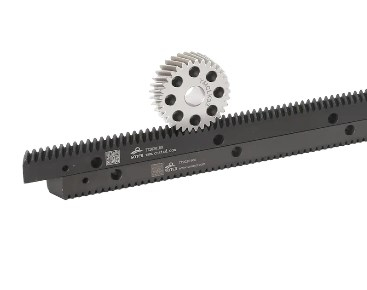
Introduction to Noise in Linear Motion Systems
Rack And Pinion Linear Slide systems are widely used in automation, CNC machinery, material handling, and robotics due to their efficiency and ability to handle long travel distances. When operating at high speeds, however, noise generation becomes a common concern. Excessive noise not only affects the working environment but may also indicate mechanical inefficiencies or potential long-term wear. Understanding whether noise is inevitable at high speeds requires examining multiple mechanical and operational factors rather than assuming it is an inherent drawback of the system.
Mechanical Engagement and Tooth Interaction
Noise in rack and pinion systems often originates from the interaction between gear teeth. At high speeds, the frequency of tooth engagement increases significantly, amplifying any imperfections in tooth profile or surface finish. Even minor deviations in pitch accuracy or tooth geometry can lead to vibration and audible noise. Precision-machined components with well-controlled tolerances reduce irregular contact, resulting in smoother meshing and quieter operation.
Influence of Manufacturing Quality
Manufacturing quality plays a decisive role in noise behavior. High-precision grinding and finishing processes improve surface smoothness and consistency, reducing friction and impact during gear engagement. Lower-grade racks or pinions may function adequately at moderate speeds but tend to generate noticeable noise when rotational and linear speeds increase. Selecting components manufactured to higher accuracy grades helps maintain quiet performance under demanding operating conditions.
Backlash and Preload Effects
Backlash is another key contributor to noise in high-speed motion. Excessive clearance between the rack and pinion can cause impact noise during direction changes or acceleration. Preloaded systems, such as dual-pinion designs or spring-loaded mechanisms, help maintain constant tooth contact and minimize vibration. Proper backlash control improves not only noise levels but also positioning accuracy and repeatability.
Lubrication and Friction Management
Effective lubrication significantly influences noise generation. Insufficient or inconsistent lubrication increases friction and heat, leading to rough engagement and audible sound. High-speed applications require lubricants with suitable viscosity and stability to maintain a consistent film between contacting surfaces. A well-designed lubrication system reduces wear and dampens vibration, contributing to quieter operation over extended periods.
Structural Rigidity and System Integration
Noise is not solely a function of the gear mechanism itself but also of the surrounding structure. Flexible mounting surfaces, insufficient frame rigidity, or misalignment can amplify vibrations produced during motion. A rigid support structure helps absorb and dissipate dynamic forces, preventing resonance that would otherwise increase noise levels. Proper integration of the linear slide into the overall mechanical system is essential for minimizing sound during high-speed operation.
Operating Speed and Load Conditions
While higher speeds naturally increase the likelihood of noise, operating conditions such as load, acceleration, and duty cycle also play important roles. Sudden acceleration or deceleration can introduce dynamic forces that increase vibration. Smooth motion profiles and controlled acceleration curves reduce mechanical shock and help maintain quieter operation even at high travel speeds.
Maintenance and Long-Term Performance
Over time, wear and contamination can increase noise levels if maintenance is neglected. Regular inspection, cleaning, and lubrication ensure consistent performance and prevent the gradual buildup of vibration sources. Maintaining alignment and replacing worn components early helps preserve quiet operation throughout the system’s service life.
A Rack And Pinion Linear Slide is not inherently noisy at high speeds, but noise can arise if design, manufacturing quality, installation, or maintenance are insufficient. Precision components, proper backlash control, effective lubrication, rigid structural support, and well-managed operating conditions all contribute to quiet and stable performance. By addressing these factors holistically, engineers can achieve high-speed linear motion with minimal noise while maintaining reliability, accuracy, and long-term durability.