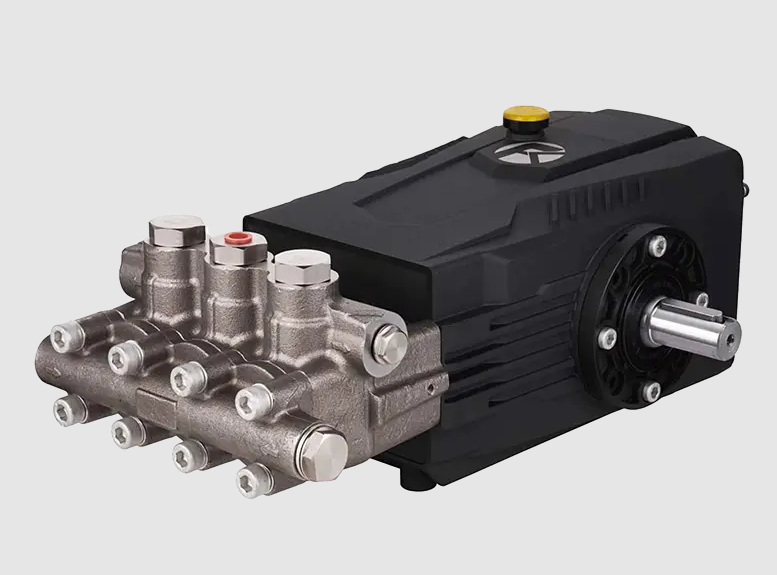
Introduction to Pump Selection
Selecting the appropriate Stainless Steel Pump requires careful consideration of both flow rate and head. These two parameters are critical in ensuring the pump delivers the desired performance while operating efficiently and safely. Flow rate determines how much liquid the pump moves over time, while head represents the pressure or height the pump can achieve. Choosing the right combination of flow and head is essential for industrial, commercial, or municipal applications to avoid underperformance or excessive energy consumption.
Understanding Flow Rate
Flow rate, often measured in liters per minute (L/min) or gallons per minute (GPM), represents the volume of fluid the pump can move within a specific time. Determining the required flow rate begins with understanding the process needs. For example, in water treatment, the pump must supply enough water to meet daily or hourly consumption targets. In chemical processing, accurate flow ensures proper mixing and chemical reactions. Selecting a pump with too low a flow may result in incomplete processes, while an oversized pump may consume unnecessary energy and increase operational costs.
Understanding Head
Head, measured in meters or feet, indicates the pressure the pump can generate to overcome resistance in piping, elevation changes, or system components such as valves and filters. Total dynamic head (TDH) combines static lift, friction losses, and any additional pressure requirements. When specifying a stainless steel pump, it is crucial to calculate the TDH accurately to ensure the pump can deliver fluid to the intended location at the required pressure. Insufficient head may cause cavitation, while excessive head can strain the pump and shorten its lifespan.
Factors Affecting Flow and Head Selection
Several factors influence the optimal flow and head selection for a stainless steel pump. These include fluid viscosity, temperature, and chemical properties. Highly viscous or abrasive fluids may require a higher-capacity pump or specialized impeller design. System layout, pipe diameter, and length also affect friction losses, which must be accounted for in the head calculation. Additionally, the intended operating speed and duty cycle play a role in determining the best pump configuration.
Matching Pump Curves with System Requirements
Pump manufacturers provide performance curves that illustrate the relationship between flow and head for each model. Comparing these curves with system requirements helps identify the pump that meets both flow and head specifications. Operating the pump near its best efficiency point (BEP) maximizes energy efficiency, reduces wear, and extends service life. Consulting with a reputable Stainless Steel Pump supplier can help ensure accurate selection based on specific application conditions.
Properly selecting flow rate and head is fundamental to the efficient operation of a Stainless Steel Pump. Understanding the system’s fluid requirements, calculating total dynamic head, and reviewing pump performance curves are essential steps in achieving reliable and energy-efficient operation. By carefully matching pump characteristics with application needs, users can ensure long-term performance, reduced maintenance, and optimal process outcomes.