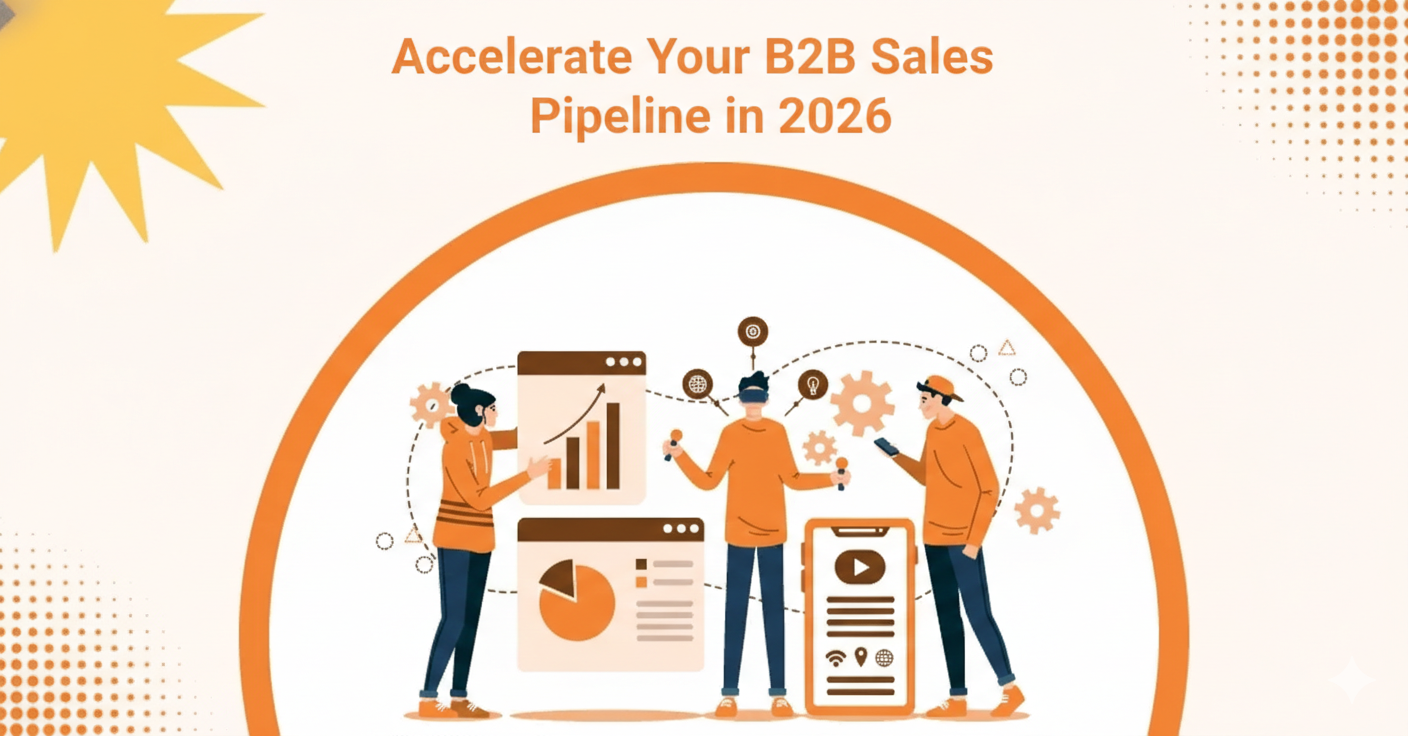
In the rapidly evolving B2B landscape, understanding buyer behavior has become a critical differentiator. Traditional sales and marketing strategies often rely on generic lead lists or broad demographic data, which can result in wasted effort and missed opportunities. Enter intent data—a transformative tool that enables organizations to identify, engage, and convert high-value prospects more efficiently. As we move further into 2026, leveraging intent data is no longer optional; it’s a necessity for accelerating B2B sales pipelines.
What is Intent Data?
Intent data refers to the signals and behaviors that indicate a potential buyer’s interest in a product or service. These signals can be derived from online activity, content consumption, search behavior, social interactions, and engagement with competitors. By analyzing this data, B2B organizations can gain actionable insights into where prospects are in their buying journey and which accounts are showing strong purchase intent.
Why Intent Data Matters in 2026
The B2B buying process is becoming increasingly complex, with multiple stakeholders, longer sales cycles, and more information sources influencing decisions. In this environment, timely and precise engagement is crucial. Intent data allows sales and marketing teams to:
- Prioritize high-value accounts: Focus on leads that are actively researching solutions, reducing time spent on unqualified prospects.
- Personalize outreach: Tailor messaging based on the prospect’s specific interests, challenges, and buying stage.
- Improve conversion rates: By aligning offers with demonstrated intent, teams can engage prospects with the right solution at the right time.
- Optimize marketing spend: Avoid wasting resources on low-intent leads, ensuring campaigns deliver measurable ROI.
Implementing Intent Data Strategies
To fully capitalize on intent data, organizations must integrate it into their existing sales and marketing workflows. This includes:
- Combining first- and third-party data: Internal CRM and website analytics provide first-party insights, while third-party intent data helps identify signals beyond your direct reach.
- Using predictive analytics: Advanced AI and machine learning tools can score and rank accounts based on intent signals, enabling smarter prioritization.
- Aligning sales and marketing teams: Shared insights ensure that both teams act in unison, driving consistent messaging and timely engagement.
- Measuring impact: Track engagement, pipeline acceleration, and conversion rates to continuously refine your intent-driven strategies.
Looking Ahead
As B2B buyers continue to research independently before engaging with vendors, intent data will become an even more critical component of revenue generation. Organizations that adopt intent-driven approaches in 2026 will not only accelerate sales cycles but also build stronger relationships with prospects by engaging them with relevance and precision.
Read More: https://intentamplify.com/blog/b2b-buyer-intent-data-for-revenue-growth/