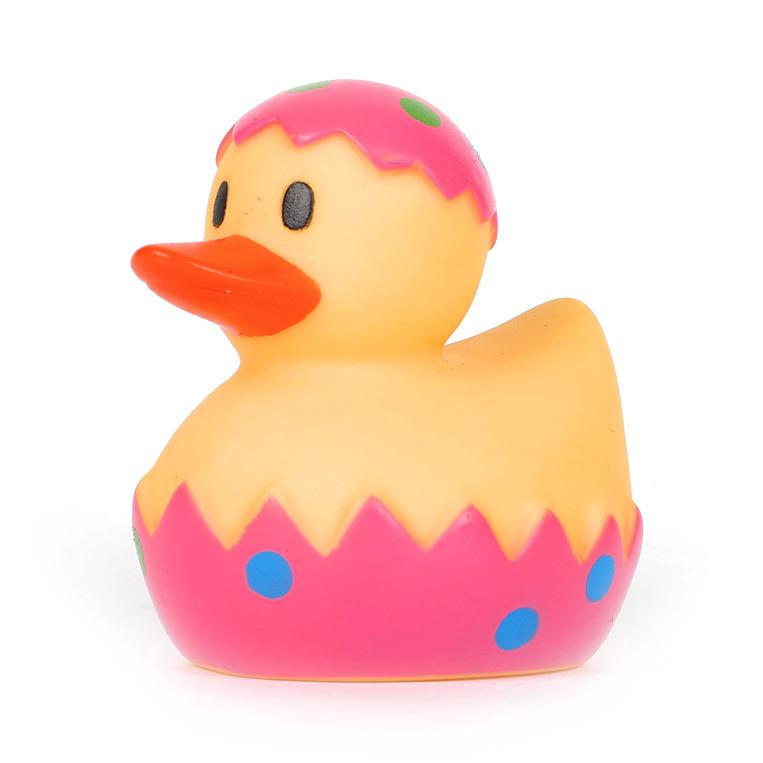
More Than Just Bath Time Fun
A duck toy factory is a specialized manufacturing entity that focuses on producing one of the world's most iconic and enduring playthings, often serving as a central hub for both mass-market staples and innovative new designs. While the classic yellow rubber duck is its most famous product, such a factory typically manufactures a wide range of duck-themed items: from infant bath toys and pool floats to plush stuffed animals, teethers, and interactive electronic toys. Its operations blend injection molding, sewing, assembly, and stringent safety protocols to create products that are not only fun and appealing but must also meet the rigorous international standards governing children's goods. This factory's role is to transform simple designs into safe, durable sources of childhood delight.
The Production Line: From Pellets to Playful Ducks
The journey of a classic plastic or rubber duck begins with material preparation. Pellets of safe, phthalate-free PVC, TPE (Thermoplastic Elastomer), or polyethylene are dried, colored, and fed into injection molding machines. Here, high-precision steel molds—each half representing one side of the duck—are clamped together under high pressure, and molten plastic is injected. After cooling, the mold opens to release a hollow, seamless duck body. For floating ducks, this step precisely controls wall thickness to ensure buoyancy. The next station is assembly and finishing: a small squeaker is inserted into the base before the two halves are sonically welded or chemically bonded together. The duck then moves through decoration, which may involve pad printing for eyes and beak, spray painting, or the application of decals. For plush ducks, a parallel line involves cutting fabric, sewing, stuffing, and attaching plastic eyes and beaks securely.
Safety and Compliance: The Non-Negotiable Core
The factory's most critical department is arguably its quality assurance lab. Every material batch requires a Material Safety Data Sheet (MSDS) and is tested for heavy metals and banned substances. Finished toys undergo a battery of tests simulating years of child's play: mechanical/physical tests like drop, tension, and torque tests to ensure no small parts break off; chew tests using simulated saliva to check for paint or material degradation; and safety audits for sharp edges or points. For bath toys, water expulsion tests are vital to prevent mold growth inside. The factory must maintain compliance with major standards like ASTM F963 (U.S.), EN71 (Europe), and CPSIA regulations. This rigorous process is what allows a simple duck to bear the CE mark or other safety certifications, transforming it from a novelty into a trusted product.
Innovation, Customization, and Market Adaptation
To thrive, a modern factory does more than produce generic yellow ducks. It invests in R&D for new features: integrating water-activated or motion-sensor sound chips, creating glow-in-the-dark or color-changing materials, or developing stackable or linkable duck designs for educational play. A significant portion of business often comes from custom manufacturing (OEM/ODM). The factory works with clients—from large retailers to promotional companies—to produce ducks in custom colors, with branded logos, or in unique shapes (like superhero or animal-themed ducks). This requires flexible mold-making capabilities and efficient small-batch production lines. Sustainable practices, like using recycled plastics or biodegradable materials, are also becoming a key innovation frontier to meet evolving consumer expectations.