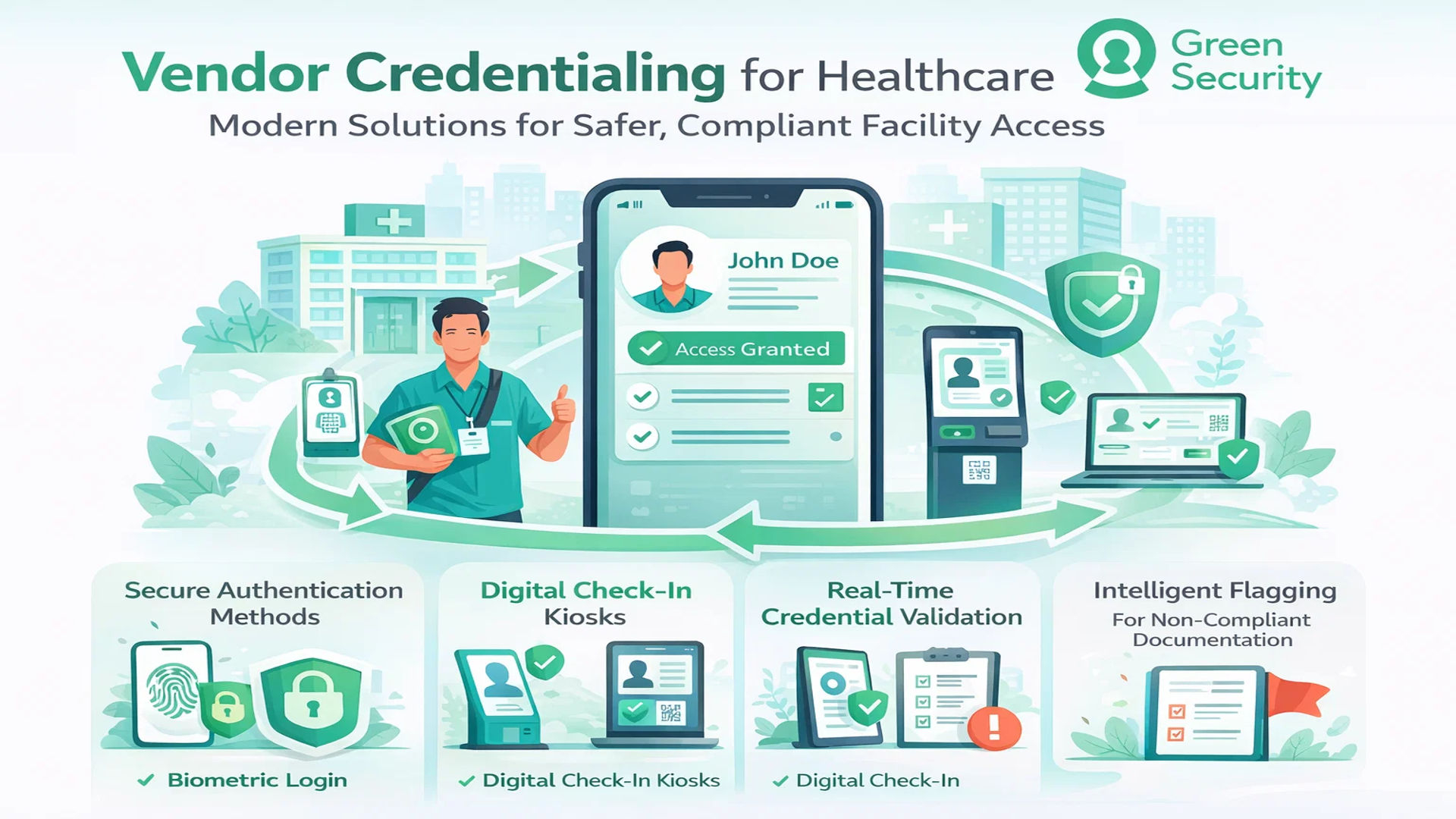
Vendor credentialing solutions for hospitals to improve compliance, reduce risk, and streamline secure facility access with mobile-first technology.
The Growing Complexity of Vendor Management in Healthcare
Hospitals and healthcare systems operate in environments where patient safety, regulatory compliance, and operational efficiency must work together seamlessly. Yet one critical area often creates administrative strain: vendor access management.
From medical device representatives to pharmaceutical consultants and contractors, healthcare facilities manage hundreds of third-party professionals daily. Without structured oversight, facilities risk:
- Documentation gaps
- Policy inconsistencies
- Unauthorized facility access
- Increased audit exposure
- Operational slowdowns at entry points
A modern approach to vendor credentialing is no longer optional — it is foundational to risk management and accreditation readiness.
Why Traditional Vendor Check-Ins No Longer Work
Manual sign-in sheets, badge exchanges, and disconnected documentation systems create blind spots. Administrative teams spend excessive time verifying immunizations, background checks, insurance documentation, and compliance certifications.
These outdated workflows often result in:
- Delayed vendor approvals
- Inconsistent enforcement of policies
- Limited visibility into credential expiration
- Difficulty preparing for inspections
As regulatory expectations continue to evolve — including oversight from agencies such as Centers for Medicare & Medicaid Services and accreditation bodies like The Joint Commission — hospitals must implement proactive compliance systems rather than reactive processes.
The Shift Toward Mobile-First Vendor Credentialing
Mobile credentialing platforms are reshaping how healthcare facilities manage third-party access. Instead of verifying credentials at the front desk, documentation is validated before arrival.
A centralized digital platform allows vendors to:
- Upload required documents securely
- Monitor credential status in real time
- Receive expiration alerts
- Confirm facility access eligibility
- Complete check-ins digitally
This pre-arrival verification significantly reduces on-site congestion and administrative burden while strengthening compliance controls.
Strengthening Compliance Through Automation
Vendor credentialing directly supports:
- Infection prevention protocols
- Immunization tracking
- Background screening validation
- Documentation transparency
- Third-party risk oversight
By digitizing documentation and maintaining a continuous audit trail, healthcare systems build a defensible compliance framework that remains inspection-ready at all times.
Automation ensures consistent enforcement of facility policies across multiple departments and locations — reducing the variability that often creates regulatory risk.
Real-Time Visibility for Healthcare Leaders
One of the greatest advantages of a modern vendor credentialing platform is centralized oversight.
Hospital administrators and compliance officers gain:
- Live activity monitoring
- Credential expiration tracking
- Facility-level reporting
- Digital audit trails
- Multi-site visibility dashboards
This real-time transparency helps leadership teams proactively address compliance gaps instead of discovering them during inspections.
Enhancing Security Without Slowing Operations
Security and efficiency do not have to compete.
Mobile vendor credentialing platforms integrate:
- Secure authentication methods such as biometric login
- Digital check-in kiosks
- Real-time credential validation
- Intelligent flagging for non-compliant documentation
By automating verification, facilities reduce unauthorized access while improving vendor throughput at entry points.
Supporting Continuous Accreditation Readiness
Accreditation is not a once-a-year event — it requires daily discipline.
A structured credentialing system enables healthcare organizations to:
- Standardize vendor access policies
- Maintain consistent documentation
- Identify compliance gaps early
- Strengthen audit preparedness
- Reduce institutional liability
With a digital-first approach, facilities move from reactive compliance to proactive risk management.
The Operational Impact of Mobile Vendor Credentialing
Hospitals implementing mobile credentialing solutions frequently report:
✔ Faster vendor processing times
✔ Reduced manual administrative workload
✔ Improved documentation consistency
✔ Stronger infection control oversight
✔ Greater regulatory confidence
The result is a safer environment for patients, staff, and visitors — without adding complexity to existing workflows.
Building a Safer Future for Healthcare Facilities
As healthcare systems continue to modernize infrastructure, vendor access management must evolve alongside clinical operations and security programs.
Mobile vendor credentialing is more than a convenience — it is a strategic compliance investment that strengthens oversight, reduces liability, and supports continuous accreditation readiness.
Healthcare organizations that prioritize secure, automated vendor credentialing position themselves for long-term operational resilience and regulatory stability.