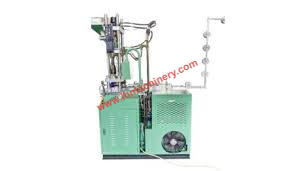
A factory manager purchasing industrial equipment from an overseas supplier faces a practical question after the container arrives. Who will unpack the machine, bolt it to the floor, and teach the local team how to run it safely? A responsible nut machine provider must address these installation and training needs, not simply ship the crate and disappear. Lhmachinery, the brand of Zhejiang Longhui Machinery Manufacturing Co., Ltd., has built its export service model around this exact requirement. Does every international supplier understand that the sale continues until the production line actually runs?
The complexity of a cold heading nut machine demands correct setup from the first day. Leveling the base, aligning feeding mechanisms, calibrating die positions, and verifying electrical connections require trained eyes. An inexperienced local crew attempting assembly without supervision risks damaging precision components or creating safety hazards. A supplier that dispatches an installation technician to the buyer's facility eliminates this risk. That technician checks every bolt, tests every sensor, and runs the first batch of nuts under controlled conditions. Only then does the responsibility transfer to the local team.
Operator training represents an equally critical phase. A nut machine contains multiple stations, complex cam systems, and high-speed moving parts. An untrained operator may feed material incorrectly, ignore early warning sounds, or attempt unsafe cleaning procedures. The result includes damaged tooling, scrapped product, and potential injuries. Professional training from the equipment builder covers daily startup checks, proper lubrication schedules, die change procedures, and emergency stop protocols. Trainees learn to read production data, spot quality deviations, and perform basic maintenance. This knowledge transforms a machine from a mysterious black box into a reliable production tool.
On-site supervision during the first week of production provides extra value that no manual can replace. Written instructions cannot show the exact sound of a correctly adjusted heading punch or the feel of smooth material feeding. An experienced technician from Lhmachinery watches the local team operate, corrects small mistakes immediately, and answers questions as they arise. This hands-on period shortens the learning curve dramatically, reducing scrap rates and preventing downtime caused by minor misunderstandings. Many buyers find that the cost of sending a technician is recovered within the first month through reduced waste and higher output.
Documentation and remote support supplement on-site visits. A complete technical file includes electrical schematics, mechanical drawings, spare parts lists, and troubleshooting guides. Video recordings of common procedures allow local technicians to review steps before performing them. A supplier with a responsive remote support team can solve many problems through video calls, saving the cost of another site visit. However, remote help works best when users have already received initial hands-on training, because they understand the vocabulary and can describe problems accurately.
For a buyer comparing multiple nut machine suppliers, the presence of installation and training services indicates a long-term perspective. A factory that invests in customer support expects its machines to run successfully for years, generating repeat orders and positive referrals. A supplier that ships machines without field support treats each sale as a single transaction, with no stake in the buyer's eventual success. The difference appears in production uptime, operator confidence, and maintenance costs over the machine's lifetime.
When evaluating a potential equipment partner, a purchasing manager should ask for detailed service terms before signing any agreement. For a complete view of available cold heading machine models and specifications, please review the product collection at https://www.lhmachinery.com/product/. After confirming that a supplier provides installation supervision and comprehensive operator training, the next question concerns how quickly a technician can arrive at your facility. Does your current machinery provider offer this level of commitment to your production readiness?