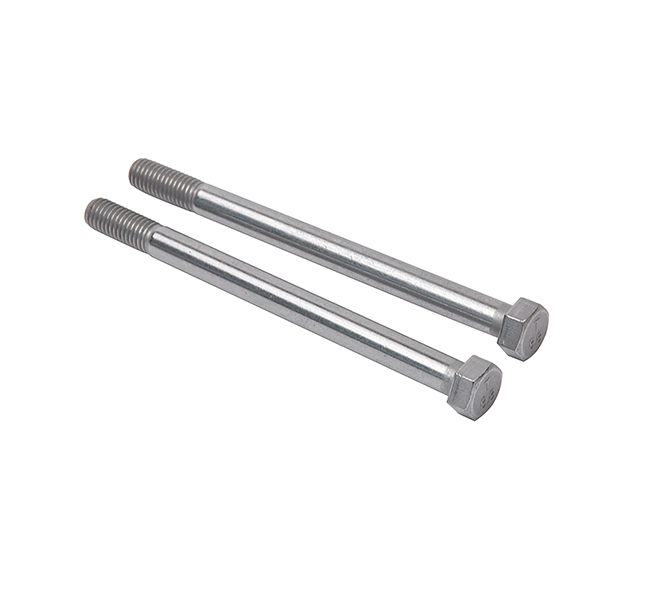
Hexagon bolts are a familiar sight in construction sites, workshops, and even household repairs. Their six-sided head design makes them easy to grip using standard tools, which helps reduce time spent adjusting or tightening components. When people think about strong and dependable fasteners, hexagon bolts often come to mind because of their versatility and straightforward structure.
One reason hexagon bolts are widely used is their compatibility with different materials. The threaded shaft plays a key role here, allowing the bolt to engage firmly with a nut or threaded hole. This creates a connection that resists loosening when exposed to vibration or movement.
Another advantage lies in their adaptability across various environments. From indoor furniture assembly to outdoor infrastructure, hexagon bolts can be manufactured using materials that suit the surroundings. Stainless steel versions resist corrosion, making them suitable for damp or exposed areas. Meanwhile, carbon steel options are often selected for general-purpose use where strength is a primary concern.
Ease of installation is also part of their appeal. Workers can quickly position a hexagon bolt and tighten it using a wrench or socket tool. This simplicity reduces the need for specialized equipment, which is especially helpful in large-scale projects where efficiency matters. The uniform shape of the head ensures consistent torque application, helping achieve secure fastening without unnecessary complications.
In design terms, hexagon bolts support a wide range of load-bearing applications. Engineers rely on them to distribute force evenly across connected parts. This helps prevent stress concentration, which could otherwise weaken the structure over time. By choosing the correct size and material, it becomes possible to tailor the bolt’s performance to specific requirements.