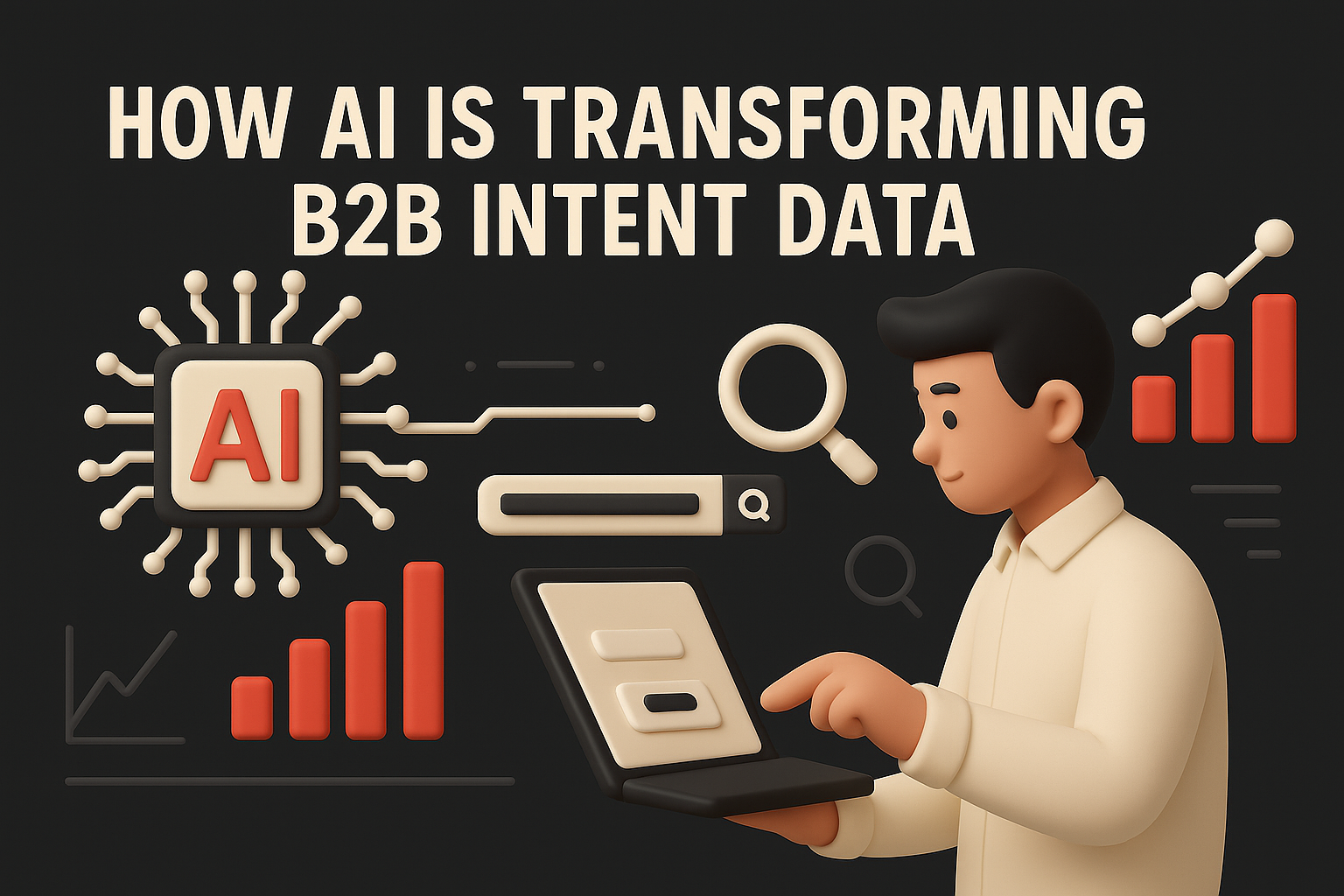
• B2B Marketing Automation: What It Is in 2025
    B2B Marketing Automation: What It Is in 2025 reflects how far digital marketing has evolved in response to complex buyer journeys, data-driven decision-making, and rising expectations for personalization. In 2025, marketing automation is no longer just about sending scheduled emails—it is a strategic system that aligns marketing, sales, and customer experience through intelligent technology.

    1. Definition of B2B Marketing Automation in 2025
    B2B marketing automation in 2025 refers to the use of AI-powered platforms and integrated tools to manage, personalize, and optimize marketing activities across multiple channels.
    It automates repetitive tasks while using real-time data and predictive analytics to deliver relevant content, nurture leads, and support revenue growth throughout the buyer lifecycle.

    2. AI-Driven Personalization at Scale
    Modern B2B buyers expect tailored experiences.
    In 2025, marketing automation platforms leverage artificial intelligence to analyze behavior, intent data, and engagement patterns. This allows marketers to deliver highly personalized messaging across email, websites, social media, and paid channels—without manual effort.

    3. Omnichannel Campaign Orchestration
    B2B marketing automation is no longer limited to email campaigns.
    Today’s platforms coordinate messaging across multiple touchpoints, including websites, webinars, mobile, CRM systems, and sales outreach. This ensures consistent and timely communication at every stage of the buyer journey.

    4. Advanced Lead Scoring and Nurturing
    In 2025, lead scoring is dynamic and predictive rather than static.
    Automation systems continuously update lead scores based on behavior, engagement, and intent signals. This helps sales teams focus on high-quality prospects while marketing automation nurtures leads with relevant content until they are ready to convert.

    5. Stronger Sales and Marketing Alignment
    B2B marketing automation now plays a central role in aligning marketing and sales teams.
    Shared dashboards, real-time alerts, and CRM integration ensure both teams have a unified view of prospects, enabling faster follow-ups and more effective conversations.

    6. Data Privacy and Compliance Built In
    With stricter data privacy regulations, automation platforms in 2025 are designed with compliance in mind.
    Consent management, secure data handling, and transparent data usage are now standard features, helping businesses build trust while maintaining regulatory compliance.


    Conclusion
    B2B Marketing Automation: What It Is in 2025 represents a shift from task-based automation to intelligent, customer-centric systems. By combining AI, data, and omnichannel execution, marketing automation has become essential for scaling B2B growth, improving efficiency, and delivering meaningful buyer experiences in a competitive digital landscape.

    know more.

    Hashtags
    #B2BMarketing
    #MarketingAutomation
    #DigitalMarketing2025
    #MarTech
    #AIinMarketing
    B2B Marketing Automation: What It Is in 2025 B2B Marketing Automation: What It Is in 2025 reflects how far digital marketing has evolved in response to complex buyer journeys, data-driven decision-making, and rising expectations for personalization. In 2025, marketing automation is no longer just about sending scheduled emails—it is a strategic system that aligns marketing, sales, and customer experience through intelligent technology. 1. Definition of B2B Marketing Automation in 2025 B2B marketing automation in 2025 refers to the use of AI-powered platforms and integrated tools to manage, personalize, and optimize marketing activities across multiple channels. It automates repetitive tasks while using real-time data and predictive analytics to deliver relevant content, nurture leads, and support revenue growth throughout the buyer lifecycle. 2. AI-Driven Personalization at Scale Modern B2B buyers expect tailored experiences. In 2025, marketing automation platforms leverage artificial intelligence to analyze behavior, intent data, and engagement patterns. This allows marketers to deliver highly personalized messaging across email, websites, social media, and paid channels—without manual effort. 3. Omnichannel Campaign Orchestration B2B marketing automation is no longer limited to email campaigns. Today’s platforms coordinate messaging across multiple touchpoints, including websites, webinars, mobile, CRM systems, and sales outreach. This ensures consistent and timely communication at every stage of the buyer journey. 4. Advanced Lead Scoring and Nurturing In 2025, lead scoring is dynamic and predictive rather than static. Automation systems continuously update lead scores based on behavior, engagement, and intent signals. This helps sales teams focus on high-quality prospects while marketing automation nurtures leads with relevant content until they are ready to convert. 5. Stronger Sales and Marketing Alignment B2B marketing automation now plays a central role in aligning marketing and sales teams. Shared dashboards, real-time alerts, and CRM integration ensure both teams have a unified view of prospects, enabling faster follow-ups and more effective conversations. 6. Data Privacy and Compliance Built In With stricter data privacy regulations, automation platforms in 2025 are designed with compliance in mind. Consent management, secure data handling, and transparent data usage are now standard features, helping businesses build trust while maintaining regulatory compliance. Conclusion B2B Marketing Automation: What It Is in 2025 represents a shift from task-based automation to intelligent, customer-centric systems. By combining AI, data, and omnichannel execution, marketing automation has become essential for scaling B2B growth, improving efficiency, and delivering meaningful buyer experiences in a competitive digital landscape. know more. Hashtags #B2BMarketing #MarketingAutomation #DigitalMarketing2025 #MarTech #AIinMarketing
    0 Комментарии 0 Поделились
  • Unlocking B2B Growth: Effective Hyper-Personalization Strategies for Success
    Hyper-personalization has become one of the most powerful growth drivers in modern B2B marketing. As buyers grow more selective and expect tailored experiences, businesses that personalize every touchpoint gain a clear competitive edge. This blog breaks down how hyper-personalization accelerates B2B growth, along with practical strategies you can implement immediately.

    Why Hyper-Personalization Matters in B2B
    B2B buyers engage with multiple channels, compare options carefully, and expect brands to understand their needs. Hyper-personalization uses real-time data, behavioral insights, and AI to deliver highly relevant messages, offers, and experiences.

    This not only increases engagement but also drives conversions, customer loyalty, and long-term growth.

    1. Leverage First-Party Data for Precision Targeting
    First-party data is the foundation of effective hyper-personalization. It includes website interactions, email engagement, product usage, and CRM information.

    Pointers:

    Collect insights from website visits, demo requests, and content downloads

    Track behavioral patterns to understand buyer intent

    Integrate CRM, marketing automation, and analytics platforms

    Use real-time data to trigger personalized campaigns

    A strong first-party data strategy ensures you’re targeting prospects accurately and tailoring messages to their journey stage.

    2. Develop Account-Based Marketing (ABM) Frameworks
    ABM elevates hyper-personalization by focusing on high-value accounts with tailored campaigns.

    Pointers:

    Identify high-potential accounts based on revenue, scalability, or strategic alignment

    Deliver personalized content for each decision-maker in the account

    Customize landing pages, email sequences, and ads

    Use intent data to time your outreach

    ABM transforms generic marketing into high-touch, relevant communication that resonates with top-tier prospects.

    3. Personalize Your Content Journey Across All Channels
    To succeed in hyper-personalization, your content must speak directly to the buyer’s challenges.

    Pointers:

    Create role-specific and industry-specific content

    Build personalized nurture tracks in email workflows

    Use dynamic content blocks on websites and landing pages

    Offer tailored lead magnets like ROI calculators or industry reports

    By aligning content to buyer personas, you strengthen engagement and guide leads through the funnel more effectively.

    4. Use AI and Automation to Deliver Real-Time Experiences
    AI-driven personalization helps deliver timely, contextual, and hyper-relevant experiences.

    Pointers:

    Deploy AI chatbots to provide instant personalized support

    Use predictive analytics to recommend products, services, or content

    Automate email workflows based on behavioral triggers

    Tailor website experiences for each returning visitor

    AI enables businesses to scale personalization without overwhelming marketing teams.

    5. Tailor Sales Outreach with Behavioral Insights
    Sales teams benefit heavily from hyper-personalization when outreach is customized using real-time insights.

    Pointers:

    Use engagement history (email opens, page views, document downloads) to guide conversations

    Personalize outreach based on buyer pain points and company updates

    Send tailored proposals and micro-demos

    Coordinate marketing and sales insights for seamless communication

    Personalized sales efforts significantly increase meeting booking rates and deal closures.


    know more.

    Hashtags
    #B2BGrowth #HyperPersonalization #ABM #MarketingStrategy #DigitalMarketing
    Unlocking B2B Growth: Effective Hyper-Personalization Strategies for Success Hyper-personalization has become one of the most powerful growth drivers in modern B2B marketing. As buyers grow more selective and expect tailored experiences, businesses that personalize every touchpoint gain a clear competitive edge. This blog breaks down how hyper-personalization accelerates B2B growth, along with practical strategies you can implement immediately. Why Hyper-Personalization Matters in B2B B2B buyers engage with multiple channels, compare options carefully, and expect brands to understand their needs. Hyper-personalization uses real-time data, behavioral insights, and AI to deliver highly relevant messages, offers, and experiences. This not only increases engagement but also drives conversions, customer loyalty, and long-term growth. 1. Leverage First-Party Data for Precision Targeting First-party data is the foundation of effective hyper-personalization. It includes website interactions, email engagement, product usage, and CRM information. Pointers: Collect insights from website visits, demo requests, and content downloads Track behavioral patterns to understand buyer intent Integrate CRM, marketing automation, and analytics platforms Use real-time data to trigger personalized campaigns A strong first-party data strategy ensures you’re targeting prospects accurately and tailoring messages to their journey stage. 2. Develop Account-Based Marketing (ABM) Frameworks ABM elevates hyper-personalization by focusing on high-value accounts with tailored campaigns. Pointers: Identify high-potential accounts based on revenue, scalability, or strategic alignment Deliver personalized content for each decision-maker in the account Customize landing pages, email sequences, and ads Use intent data to time your outreach ABM transforms generic marketing into high-touch, relevant communication that resonates with top-tier prospects. 3. Personalize Your Content Journey Across All Channels To succeed in hyper-personalization, your content must speak directly to the buyer’s challenges. Pointers: Create role-specific and industry-specific content Build personalized nurture tracks in email workflows Use dynamic content blocks on websites and landing pages Offer tailored lead magnets like ROI calculators or industry reports By aligning content to buyer personas, you strengthen engagement and guide leads through the funnel more effectively. 4. Use AI and Automation to Deliver Real-Time Experiences AI-driven personalization helps deliver timely, contextual, and hyper-relevant experiences. Pointers: Deploy AI chatbots to provide instant personalized support Use predictive analytics to recommend products, services, or content Automate email workflows based on behavioral triggers Tailor website experiences for each returning visitor AI enables businesses to scale personalization without overwhelming marketing teams. 5. Tailor Sales Outreach with Behavioral Insights Sales teams benefit heavily from hyper-personalization when outreach is customized using real-time insights. Pointers: Use engagement history (email opens, page views, document downloads) to guide conversations Personalize outreach based on buyer pain points and company updates Send tailored proposals and micro-demos Coordinate marketing and sales insights for seamless communication Personalized sales efforts significantly increase meeting booking rates and deal closures. know more. Hashtags #B2BGrowth #HyperPersonalization #ABM #MarketingStrategy #DigitalMarketing
    0 Комментарии 0 Поделились
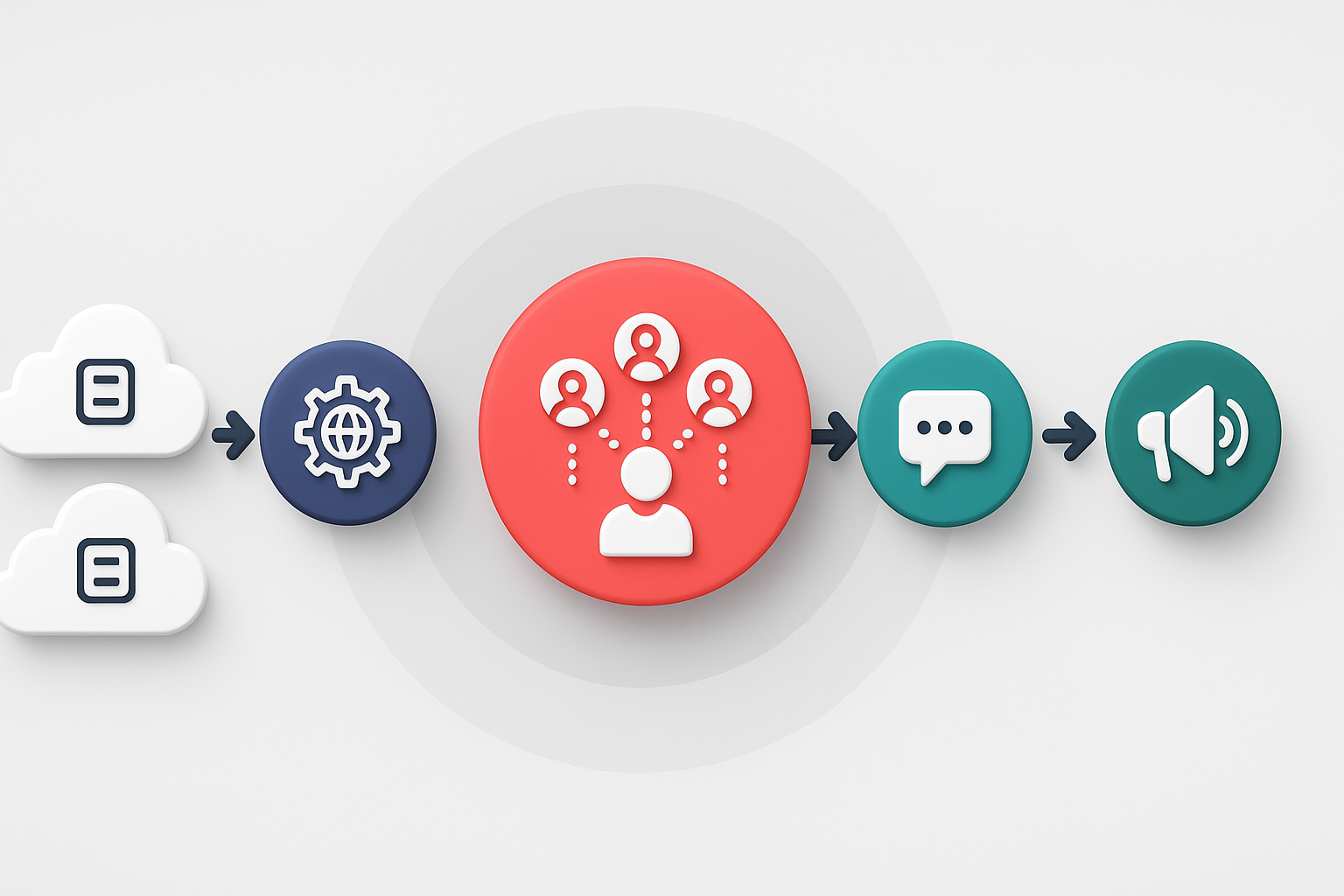
  • In the modern B2B landscape, effective demand generation is essential for driving growth, nurturing customer relationships, and filling the sales pipeline with qualified leads. It’s not just about attracting attention—it’s about creating genuine interest and guiding prospects through a well-structured journey toward conversion.

    1. Understand Your Audience
    The foundation of any demand generation strategy is a deep understanding of your target audience. Define buyer personas based on demographics, behaviors, challenges, and goals. This clarity helps tailor your messaging, ensuring it resonates with the right decision-makers at the right time.

    2. Create High-Value Content
    Content is the cornerstone of demand generation. From educational blog posts and eBooks to webinars and case studies, every piece should provide value and establish your brand as a trusted authority. Address pain points, share solutions, and demonstrate thought leadership to build credibility.

    3. Leverage Multi-Channel Marketing
    An effective strategy combines multiple touchpoints—email, social media, paid advertising, SEO, and events. By diversifying your channels, you maximize reach and maintain consistent engagement across the buyer’s journey. Ensure your messaging remains unified to strengthen brand identity.

    4. Implement Marketing Automation and Lead Nurturing
    Use marketing automation tools to streamline lead capture, scoring, and nurturing. Personalized drip campaigns help maintain engagement and move prospects through the funnel based on their behavior and interests.

    5. Measure and Optimize
    Data is your greatest ally. Track metrics such as conversion rates, cost per lead, and pipeline contribution. Use these insights to identify what works—and refine what doesn’t. Continuous optimization ensures long-term success.

    Ready to Elevate Your Demand Generation?
    Empower your marketing and sales teams with a strategy that delivers measurable impact. Contact us today to build a customized demand generation program that drives awareness, engagement, and revenue growth.

    #DemandGeneration #B2BMarketing #LeadGeneration #MarketingStrategy #DigitalMarketing #ContentMarketing #RevenueGrowth #ABM #GrowthStrategy #CustomerEngagement
    In the modern B2B landscape, effective demand generation is essential for driving growth, nurturing customer relationships, and filling the sales pipeline with qualified leads. It’s not just about attracting attention—it’s about creating genuine interest and guiding prospects through a well-structured journey toward conversion. 1. Understand Your Audience The foundation of any demand generation strategy is a deep understanding of your target audience. Define buyer personas based on demographics, behaviors, challenges, and goals. This clarity helps tailor your messaging, ensuring it resonates with the right decision-makers at the right time. 2. Create High-Value Content Content is the cornerstone of demand generation. From educational blog posts and eBooks to webinars and case studies, every piece should provide value and establish your brand as a trusted authority. Address pain points, share solutions, and demonstrate thought leadership to build credibility. 3. Leverage Multi-Channel Marketing An effective strategy combines multiple touchpoints—email, social media, paid advertising, SEO, and events. By diversifying your channels, you maximize reach and maintain consistent engagement across the buyer’s journey. Ensure your messaging remains unified to strengthen brand identity. 4. Implement Marketing Automation and Lead Nurturing Use marketing automation tools to streamline lead capture, scoring, and nurturing. Personalized drip campaigns help maintain engagement and move prospects through the funnel based on their behavior and interests. 5. Measure and Optimize Data is your greatest ally. Track metrics such as conversion rates, cost per lead, and pipeline contribution. Use these insights to identify what works—and refine what doesn’t. Continuous optimization ensures long-term success. Ready to Elevate Your Demand Generation? Empower your marketing and sales teams with a strategy that delivers measurable impact. Contact us today to build a customized demand generation program that drives awareness, engagement, and revenue growth. #DemandGeneration #B2BMarketing #LeadGeneration #MarketingStrategy #DigitalMarketing #ContentMarketing #RevenueGrowth #ABM #GrowthStrategy #CustomerEngagement
    0 Комментарии 0 Поделились
  • What is zero-touch lead generation, and how will AI make it possible?

    The future of B2B marketing is moving toward automation with intelligence—a world where high-quality leads are identified, nurtured, and handed to sales teams without human intervention. This emerging concept is called Zero-Touch Lead Generation, and it’s rapidly transforming how businesses approach growth.
    In traditional models, marketers manually build campaigns, qualify leads, and personalize outreach. Zero-touch flips that process entirely—using AI-driven systems to handle everything from data collection to conversion, seamlessly and autonomously.
    Here’s what it means and how AI is making it a reality.
    1. Defining Zero-Touch Lead Generation
    Zero-touch lead generation refers to a fully automated system that identifies, qualifies, and engages leads without human input. Instead of requiring manual campaign setup, AI systems autonomously:
    • Discover in-market prospects through behavioral and intent data
    • Create personalized outreach messages
    • Nurture leads across channels (email, chat, social)
    • Score and deliver ready-to-convert leads directly to sales teams
    It’s the next evolution of marketing automation—powered not by rigid workflows, but by adaptive intelligence that learns, optimizes, and acts continuously.
    2. How AI Makes Zero-Touch Lead Gen Possible
    a. Predictive Data Mining
    AI algorithms pull from massive data pools—CRM records, social media, website analytics, and third-party intent data—to detect patterns that signal buying intent. Unlike static segmentation, AI learns over time which characteristics predict conversion, enabling self-updating Ideal Customer Profiles (ICPs).
    b. Generative Outreach & Personalization
    Large Language Models (LLMs) can now generate personalized emails, LinkedIn messages, or ad copy for each prospect—aligned with tone, industry, and stage of the buyer journey. This ensures every communication feels custom-written, not templated, and scales personalization far beyond human capacity.
    c. Automated Qualification & Nurturing
    AI lead-scoring models evaluate readiness in real time—based on content engagement, website behavior, or CRM signals—and trigger automated nurturing sequences. For instance, a prospect who reads a case study might receive an AI-drafted follow-up email offering a demo, all without human involvement.
    d. Continuous Optimization Through Feedback Loops
    Machine learning enables constant iteration. AI systems analyze performance data—response rates, conversion metrics, campaign outcomes—and adjust targeting, tone, and frequency automatically. Each cycle improves accuracy and efficiency.
    3. Benefits of Going Zero-Touch
    • 🚀 Speed: AI reacts instantly to market and buyer changes, shortening lead cycles.
    • 🎯 Precision: Predictive targeting ensures you’re only engaging high-intent buyers.
    • 💸 Efficiency: Eliminates manual data handling and repetitive tasks, reducing CAC (Customer Acquisition Cost).
    • 🤝 Alignment: Provides sales teams with pre-qualified, high-fit leads ready for engagement.
    Essentially, it allows marketing and sales teams to focus on strategy, creativity, and relationship-building, while AI handles the operational grind.
    4. The Human + AI Partnership
    Zero-touch doesn’t mean zero humans—it means humans only where they add the most value. AI manages the pipeline; marketers guide the strategy, storytelling, and ethical oversight. The goal isn’t full replacement—it’s frictionless collaboration between human creativity and machine precision.
    The Bottom Line
    Zero-touch lead generation represents the next frontier of AI-driven B2B marketing—where intent, personalization, and automation converge to create always-on, self-optimizing demand engines. As AI models grow more context-aware and autonomous, businesses will shift from chasing leads to attracting and converting them effortlessly.
    The future of lead gen isn’t just automated—it’s intelligent, adaptive, and entirely touch-free.
    Read More: https://intentamplify.com/lead-generation/

    What is zero-touch lead generation, and how will AI make it possible? The future of B2B marketing is moving toward automation with intelligence—a world where high-quality leads are identified, nurtured, and handed to sales teams without human intervention. This emerging concept is called Zero-Touch Lead Generation, and it’s rapidly transforming how businesses approach growth. In traditional models, marketers manually build campaigns, qualify leads, and personalize outreach. Zero-touch flips that process entirely—using AI-driven systems to handle everything from data collection to conversion, seamlessly and autonomously. Here’s what it means and how AI is making it a reality. 1. Defining Zero-Touch Lead Generation Zero-touch lead generation refers to a fully automated system that identifies, qualifies, and engages leads without human input. Instead of requiring manual campaign setup, AI systems autonomously: • Discover in-market prospects through behavioral and intent data • Create personalized outreach messages • Nurture leads across channels (email, chat, social) • Score and deliver ready-to-convert leads directly to sales teams It’s the next evolution of marketing automation—powered not by rigid workflows, but by adaptive intelligence that learns, optimizes, and acts continuously. 2. How AI Makes Zero-Touch Lead Gen Possible a. Predictive Data Mining AI algorithms pull from massive data pools—CRM records, social media, website analytics, and third-party intent data—to detect patterns that signal buying intent. Unlike static segmentation, AI learns over time which characteristics predict conversion, enabling self-updating Ideal Customer Profiles (ICPs). b. Generative Outreach & Personalization Large Language Models (LLMs) can now generate personalized emails, LinkedIn messages, or ad copy for each prospect—aligned with tone, industry, and stage of the buyer journey. This ensures every communication feels custom-written, not templated, and scales personalization far beyond human capacity. c. Automated Qualification & Nurturing AI lead-scoring models evaluate readiness in real time—based on content engagement, website behavior, or CRM signals—and trigger automated nurturing sequences. For instance, a prospect who reads a case study might receive an AI-drafted follow-up email offering a demo, all without human involvement. d. Continuous Optimization Through Feedback Loops Machine learning enables constant iteration. AI systems analyze performance data—response rates, conversion metrics, campaign outcomes—and adjust targeting, tone, and frequency automatically. Each cycle improves accuracy and efficiency. 3. Benefits of Going Zero-Touch • 🚀 Speed: AI reacts instantly to market and buyer changes, shortening lead cycles. • 🎯 Precision: Predictive targeting ensures you’re only engaging high-intent buyers. • 💸 Efficiency: Eliminates manual data handling and repetitive tasks, reducing CAC (Customer Acquisition Cost). • 🤝 Alignment: Provides sales teams with pre-qualified, high-fit leads ready for engagement. Essentially, it allows marketing and sales teams to focus on strategy, creativity, and relationship-building, while AI handles the operational grind. 4. The Human + AI Partnership Zero-touch doesn’t mean zero humans—it means humans only where they add the most value. AI manages the pipeline; marketers guide the strategy, storytelling, and ethical oversight. The goal isn’t full replacement—it’s frictionless collaboration between human creativity and machine precision. The Bottom Line Zero-touch lead generation represents the next frontier of AI-driven B2B marketing—where intent, personalization, and automation converge to create always-on, self-optimizing demand engines. As AI models grow more context-aware and autonomous, businesses will shift from chasing leads to attracting and converting them effortlessly. The future of lead gen isn’t just automated—it’s intelligent, adaptive, and entirely touch-free. Read More: https://intentamplify.com/lead-generation/
    0 Комментарии 0 Поделились
  • Where is predictive AI being used to identify high-intent B2B prospects before they enter the funnel?

    Artificial Intelligence (AI) is rapidly transforming how B2B companies attract, qualify, and convert leads. Gone are the days of static CRM workflows and manual outreach—today, AI agents are emerging as intelligent digital teammates capable of automating the entire front end of the sales process. From identifying high-intent prospects to initiating personalized conversations, these agents are reshaping B2B lead generation into a smarter, data-driven, and highly scalable process.
    Here’s how AI agents are redefining lead qualification and outreach in the B2B space.
    1. Automating Lead Qualification with Real-Time Intelligence
    AI agents can now analyze millions of data points—website visits, email engagement, social activity, and firmographic data—to qualify leads in real time. Unlike traditional scoring models that rely on static attributes, AI-driven systems use predictive intent modeling to understand buyer readiness.
    They:
    • Rank leads based on behavioral patterns (e.g., frequency of visits, content engagement).
    • Detect intent signals like searches for specific solutions or pricing pages.
    • Continuously learn from closed deals to improve accuracy over time.
    This means sales teams spend less time on unqualified prospects and more time nurturing those who are genuinely ready to convert.
    2. Hyper-Personalized Outreach at Scale
    AI agents are revolutionizing outreach by combining automation with personalization. They use NLP (Natural Language Processing) to understand tone, context, and buyer intent—crafting tailored messages for each contact.
    For example, an AI sales assistant can:
    • Write customized outreach emails based on a prospect’s job title, industry, and recent activity.
    • Engage in two-way conversations through chat or email, responding intelligently to questions.
    • Schedule follow-ups automatically, adapting communication frequency to the lead’s responsiveness.
    Instead of bulk, impersonal outreach, AI agents make every interaction feel human and relevant—at scale.
    3. Integrating Seamlessly with CRM and Marketing Automation Systems
    AI agents don’t just sit on the sidelines—they integrate directly with CRMs like Salesforce, HubSpot, and Zoho to update contact records, qualify leads, and trigger workflows automatically.
    They can even collaborate across departments: marketing teams get insights into top-performing campaigns, while sales teams receive prioritized lists of leads with complete engagement histories.
    This unified, AI-powered ecosystem bridges the traditional gap between marketing and sales, making lead flow more efficient and measurable.
    4. Predictive Outreach and Timing Optimization
    Using predictive analytics, AI agents can determine when a lead is most likely to engage—whether that’s the best day, time, or channel. By analyzing patterns in open rates, responses, and conversion data, AI fine-tunes outreach timing to maximize engagement and minimize fatigue.
    This proactive, always-learning approach ensures that outreach isn’t just automated—it’s intelligently timed for conversion.
    The Future: Fully Autonomous B2B Pipelines
    In the near future, AI agents will evolve from assistants to autonomous revenue operators—handling everything from data enrichment to scheduling discovery calls. With generative AI and RPA (Robotic Process Automation), they’ll dynamically adapt to buyer behavior, refining messaging, scoring, and targeting with minimal human input.
    The result? B2B sales teams that are leaner, faster, and infinitely scalable.
    The Bottom Line:
    AI agents are not replacing B2B marketers and sales reps—they’re amplifying them. By automating repetitive processes, analyzing intent data in real time, and delivering hyper-personalized outreach, these agents enable teams to focus on what truly matters: building relationships and closing deals.
    Read More: https://intentamplify.com/lead-generation/
    Where is predictive AI being used to identify high-intent B2B prospects before they enter the funnel? Artificial Intelligence (AI) is rapidly transforming how B2B companies attract, qualify, and convert leads. Gone are the days of static CRM workflows and manual outreach—today, AI agents are emerging as intelligent digital teammates capable of automating the entire front end of the sales process. From identifying high-intent prospects to initiating personalized conversations, these agents are reshaping B2B lead generation into a smarter, data-driven, and highly scalable process. Here’s how AI agents are redefining lead qualification and outreach in the B2B space. 1. Automating Lead Qualification with Real-Time Intelligence AI agents can now analyze millions of data points—website visits, email engagement, social activity, and firmographic data—to qualify leads in real time. Unlike traditional scoring models that rely on static attributes, AI-driven systems use predictive intent modeling to understand buyer readiness. They: • Rank leads based on behavioral patterns (e.g., frequency of visits, content engagement). • Detect intent signals like searches for specific solutions or pricing pages. • Continuously learn from closed deals to improve accuracy over time. This means sales teams spend less time on unqualified prospects and more time nurturing those who are genuinely ready to convert. 2. Hyper-Personalized Outreach at Scale AI agents are revolutionizing outreach by combining automation with personalization. They use NLP (Natural Language Processing) to understand tone, context, and buyer intent—crafting tailored messages for each contact. For example, an AI sales assistant can: • Write customized outreach emails based on a prospect’s job title, industry, and recent activity. • Engage in two-way conversations through chat or email, responding intelligently to questions. • Schedule follow-ups automatically, adapting communication frequency to the lead’s responsiveness. Instead of bulk, impersonal outreach, AI agents make every interaction feel human and relevant—at scale. 3. Integrating Seamlessly with CRM and Marketing Automation Systems AI agents don’t just sit on the sidelines—they integrate directly with CRMs like Salesforce, HubSpot, and Zoho to update contact records, qualify leads, and trigger workflows automatically. They can even collaborate across departments: marketing teams get insights into top-performing campaigns, while sales teams receive prioritized lists of leads with complete engagement histories. This unified, AI-powered ecosystem bridges the traditional gap between marketing and sales, making lead flow more efficient and measurable. 4. Predictive Outreach and Timing Optimization Using predictive analytics, AI agents can determine when a lead is most likely to engage—whether that’s the best day, time, or channel. By analyzing patterns in open rates, responses, and conversion data, AI fine-tunes outreach timing to maximize engagement and minimize fatigue. This proactive, always-learning approach ensures that outreach isn’t just automated—it’s intelligently timed for conversion. The Future: Fully Autonomous B2B Pipelines In the near future, AI agents will evolve from assistants to autonomous revenue operators—handling everything from data enrichment to scheduling discovery calls. With generative AI and RPA (Robotic Process Automation), they’ll dynamically adapt to buyer behavior, refining messaging, scoring, and targeting with minimal human input. The result? B2B sales teams that are leaner, faster, and infinitely scalable. The Bottom Line: AI agents are not replacing B2B marketers and sales reps—they’re amplifying them. By automating repetitive processes, analyzing intent data in real time, and delivering hyper-personalized outreach, these agents enable teams to focus on what truly matters: building relationships and closing deals. Read More: https://intentamplify.com/lead-generation/
    0 Комментарии 0 Поделились
  • What role will AI agents play in automating B2B lead qualification and outreach?

    Artificial Intelligence (AI) is rapidly transforming how B2B companies attract, qualify, and convert leads. Gone are the days of static CRM workflows and manual outreach—today, AI agents are emerging as intelligent digital teammates capable of automating the entire front end of the sales process. From identifying high-intent prospects to initiating personalized conversations, these agents are reshaping B2B lead generation into a smarter, data-driven, and highly scalable process.
    Here’s how AI agents are redefining lead qualification and outreach in the B2B space.
    1. Automating Lead Qualification with Real-Time Intelligence
    AI agents can now analyze millions of data points—website visits, email engagement, social activity, and firmographic data—to qualify leads in real time. Unlike traditional scoring models that rely on static attributes, AI-driven systems use predictive intent modeling to understand buyer readiness.
    They:
    • Rank leads based on behavioral patterns (e.g., frequency of visits, content engagement).
    • Detect intent signals like searches for specific solutions or pricing pages.
    • Continuously learn from closed deals to improve accuracy over time.
    This means sales teams spend less time on unqualified prospects and more time nurturing those who are genuinely ready to convert.
    2. Hyper-Personalized Outreach at Scale
    AI agents are revolutionizing outreach by combining automation with personalization. They use NLP (Natural Language Processing) to understand tone, context, and buyer intent—crafting tailored messages for each contact.
    For example, an AI sales assistant can:
    • Write customized outreach emails based on a prospect’s job title, industry, and recent activity.
    • Engage in two-way conversations through chat or email, responding intelligently to questions.
    • Schedule follow-ups automatically, adapting communication frequency to the lead’s responsiveness.
    Instead of bulk, impersonal outreach, AI agents make every interaction feel human and relevant—at scale.
    3. Integrating Seamlessly with CRM and Marketing Automation Systems
    AI agents don’t just sit on the sidelines—they integrate directly with CRMs like Salesforce, HubSpot, and Zoho to update contact records, qualify leads, and trigger workflows automatically.
    They can even collaborate across departments: marketing teams get insights into top-performing campaigns, while sales teams receive prioritized lists of leads with complete engagement histories.
    This unified, AI-powered ecosystem bridges the traditional gap between marketing and sales, making lead flow more efficient and measurable.
    4. Predictive Outreach and Timing Optimization
    Using predictive analytics, AI agents can determine when a lead is most likely to engage—whether that’s the best day, time, or channel. By analyzing patterns in open rates, responses, and conversion data, AI fine-tunes outreach timing to maximize engagement and minimize fatigue.
    This proactive, always-learning approach ensures that outreach isn’t just automated—it’s intelligently timed for conversion.
    The Future: Fully Autonomous B2B Pipelines
    In the near future, AI agents will evolve from assistants to autonomous revenue operators—handling everything from data enrichment to scheduling discovery calls. With generative AI and RPA (Robotic Process Automation), they’ll dynamically adapt to buyer behavior, refining messaging, scoring, and targeting with minimal human input.
    The result? B2B sales teams that are leaner, faster, and infinitely scalable.
    The Bottom Line:
    AI agents are not replacing B2B marketers and sales reps—they’re amplifying them. By automating repetitive processes, analyzing intent data in real time, and delivering hyper-personalized outreach, these agents enable teams to focus on what truly matters: building relationships and closing deals.

    Read More: https://intentamplify.com/lead-generation/
    What role will AI agents play in automating B2B lead qualification and outreach? Artificial Intelligence (AI) is rapidly transforming how B2B companies attract, qualify, and convert leads. Gone are the days of static CRM workflows and manual outreach—today, AI agents are emerging as intelligent digital teammates capable of automating the entire front end of the sales process. From identifying high-intent prospects to initiating personalized conversations, these agents are reshaping B2B lead generation into a smarter, data-driven, and highly scalable process. Here’s how AI agents are redefining lead qualification and outreach in the B2B space. 1. Automating Lead Qualification with Real-Time Intelligence AI agents can now analyze millions of data points—website visits, email engagement, social activity, and firmographic data—to qualify leads in real time. Unlike traditional scoring models that rely on static attributes, AI-driven systems use predictive intent modeling to understand buyer readiness. They: • Rank leads based on behavioral patterns (e.g., frequency of visits, content engagement). • Detect intent signals like searches for specific solutions or pricing pages. • Continuously learn from closed deals to improve accuracy over time. This means sales teams spend less time on unqualified prospects and more time nurturing those who are genuinely ready to convert. 2. Hyper-Personalized Outreach at Scale AI agents are revolutionizing outreach by combining automation with personalization. They use NLP (Natural Language Processing) to understand tone, context, and buyer intent—crafting tailored messages for each contact. For example, an AI sales assistant can: • Write customized outreach emails based on a prospect’s job title, industry, and recent activity. • Engage in two-way conversations through chat or email, responding intelligently to questions. • Schedule follow-ups automatically, adapting communication frequency to the lead’s responsiveness. Instead of bulk, impersonal outreach, AI agents make every interaction feel human and relevant—at scale. 3. Integrating Seamlessly with CRM and Marketing Automation Systems AI agents don’t just sit on the sidelines—they integrate directly with CRMs like Salesforce, HubSpot, and Zoho to update contact records, qualify leads, and trigger workflows automatically. They can even collaborate across departments: marketing teams get insights into top-performing campaigns, while sales teams receive prioritized lists of leads with complete engagement histories. This unified, AI-powered ecosystem bridges the traditional gap between marketing and sales, making lead flow more efficient and measurable. 4. Predictive Outreach and Timing Optimization Using predictive analytics, AI agents can determine when a lead is most likely to engage—whether that’s the best day, time, or channel. By analyzing patterns in open rates, responses, and conversion data, AI fine-tunes outreach timing to maximize engagement and minimize fatigue. This proactive, always-learning approach ensures that outreach isn’t just automated—it’s intelligently timed for conversion. The Future: Fully Autonomous B2B Pipelines In the near future, AI agents will evolve from assistants to autonomous revenue operators—handling everything from data enrichment to scheduling discovery calls. With generative AI and RPA (Robotic Process Automation), they’ll dynamically adapt to buyer behavior, refining messaging, scoring, and targeting with minimal human input. The result? B2B sales teams that are leaner, faster, and infinitely scalable. The Bottom Line: AI agents are not replacing B2B marketers and sales reps—they’re amplifying them. By automating repetitive processes, analyzing intent data in real time, and delivering hyper-personalized outreach, these agents enable teams to focus on what truly matters: building relationships and closing deals. Read More: https://intentamplify.com/lead-generation/
    0 Комментарии 0 Поделились
  • How can AI improve lead quality scoring for B2B pipelines?

    In B2B marketing and sales, the difference between a “good lead” and a “bad lead” can mean months of wasted effort—or a deal closed in record time. Traditional lead scoring models, often based on static demographics and a handful of engagement metrics, simply don’t capture the complexity of modern buying behavior. This is where AI-powered lead quality scoring steps in, making pipelines sharper, smarter, and more revenue-focused.
    🔍 𝐖𝐚𝐲𝐬 𝐀𝐈 𝐢𝐦𝐩𝐫𝐨𝐯𝐞𝐬 𝐥𝐞𝐚𝐝 𝐪𝐮𝐚𝐥𝐢𝐭𝐲 𝐬𝐜𝐨𝐫𝐢𝐧𝐠:
    ✅ Behavioral + Intent Data Integration
    AI goes beyond static data like company size or job title. It analyzes real-time behaviors—website activity, webinar participation, content downloads, and even third-party intent signals (review sites, search queries)—to determine which leads are truly “in-market.”
    ✅ Predictive Scoring Models
    Instead of fixed scoring rules, AI applies machine learning to historical CRM data (wins, losses, deal velocity) to predict which leads resemble past successful conversions. The model gets smarter with every cycle.
    ✅ Multi-Stakeholder Mapping
    B2B deals often involve multiple decision-makers. AI can evaluate the buying committee as a whole—scoring accounts based on collective engagement rather than just individual contacts.
    ✅ Dynamic, Real-Time Updates
    Unlike static models, AI continuously updates scores as new interactions occur. A lead who moves from casual blog reading to requesting a demo can see their score instantly rise, alerting sales in real time.
    ✅ Noise Reduction
    AI filters out false positives—like students downloading whitepapers or vendors researching competitors—so only high-quality, sales-ready leads reach the pipeline.
    ✅ CRM + Marketing Automation Alignment
    Platforms like Salesforce Einstein, HubSpot AI, and 6sense integrate AI scoring directly into workflows, ensuring sales reps spend time on the most promising accounts.
    📌 𝐓𝐡𝐞 𝐁𝐢𝐠 𝐏𝐢𝐜𝐭𝐮𝐫𝐞:
    AI transforms lead quality scoring from a guessing game into a precision engine. By combining predictive analytics, intent signals, and real-time updates, AI ensures that sales teams focus on leads most likely to close—shortening sales cycles and maximizing ROI.
    Read More: https://intentamplify.com/lead-generation/
    How can AI improve lead quality scoring for B2B pipelines? In B2B marketing and sales, the difference between a “good lead” and a “bad lead” can mean months of wasted effort—or a deal closed in record time. Traditional lead scoring models, often based on static demographics and a handful of engagement metrics, simply don’t capture the complexity of modern buying behavior. This is where AI-powered lead quality scoring steps in, making pipelines sharper, smarter, and more revenue-focused. 🔍 𝐖𝐚𝐲𝐬 𝐀𝐈 𝐢𝐦𝐩𝐫𝐨𝐯𝐞𝐬 𝐥𝐞𝐚𝐝 𝐪𝐮𝐚𝐥𝐢𝐭𝐲 𝐬𝐜𝐨𝐫𝐢𝐧𝐠: ✅ Behavioral + Intent Data Integration AI goes beyond static data like company size or job title. It analyzes real-time behaviors—website activity, webinar participation, content downloads, and even third-party intent signals (review sites, search queries)—to determine which leads are truly “in-market.” ✅ Predictive Scoring Models Instead of fixed scoring rules, AI applies machine learning to historical CRM data (wins, losses, deal velocity) to predict which leads resemble past successful conversions. The model gets smarter with every cycle. ✅ Multi-Stakeholder Mapping B2B deals often involve multiple decision-makers. AI can evaluate the buying committee as a whole—scoring accounts based on collective engagement rather than just individual contacts. ✅ Dynamic, Real-Time Updates Unlike static models, AI continuously updates scores as new interactions occur. A lead who moves from casual blog reading to requesting a demo can see their score instantly rise, alerting sales in real time. ✅ Noise Reduction AI filters out false positives—like students downloading whitepapers or vendors researching competitors—so only high-quality, sales-ready leads reach the pipeline. ✅ CRM + Marketing Automation Alignment Platforms like Salesforce Einstein, HubSpot AI, and 6sense integrate AI scoring directly into workflows, ensuring sales reps spend time on the most promising accounts. 📌 𝐓𝐡𝐞 𝐁𝐢𝐠 𝐏𝐢𝐜𝐭𝐮𝐫𝐞: AI transforms lead quality scoring from a guessing game into a precision engine. By combining predictive analytics, intent signals, and real-time updates, AI ensures that sales teams focus on leads most likely to close—shortening sales cycles and maximizing ROI. Read More: https://intentamplify.com/lead-generation/
    0 Комментарии 0 Поделились
Нет данных для отображения